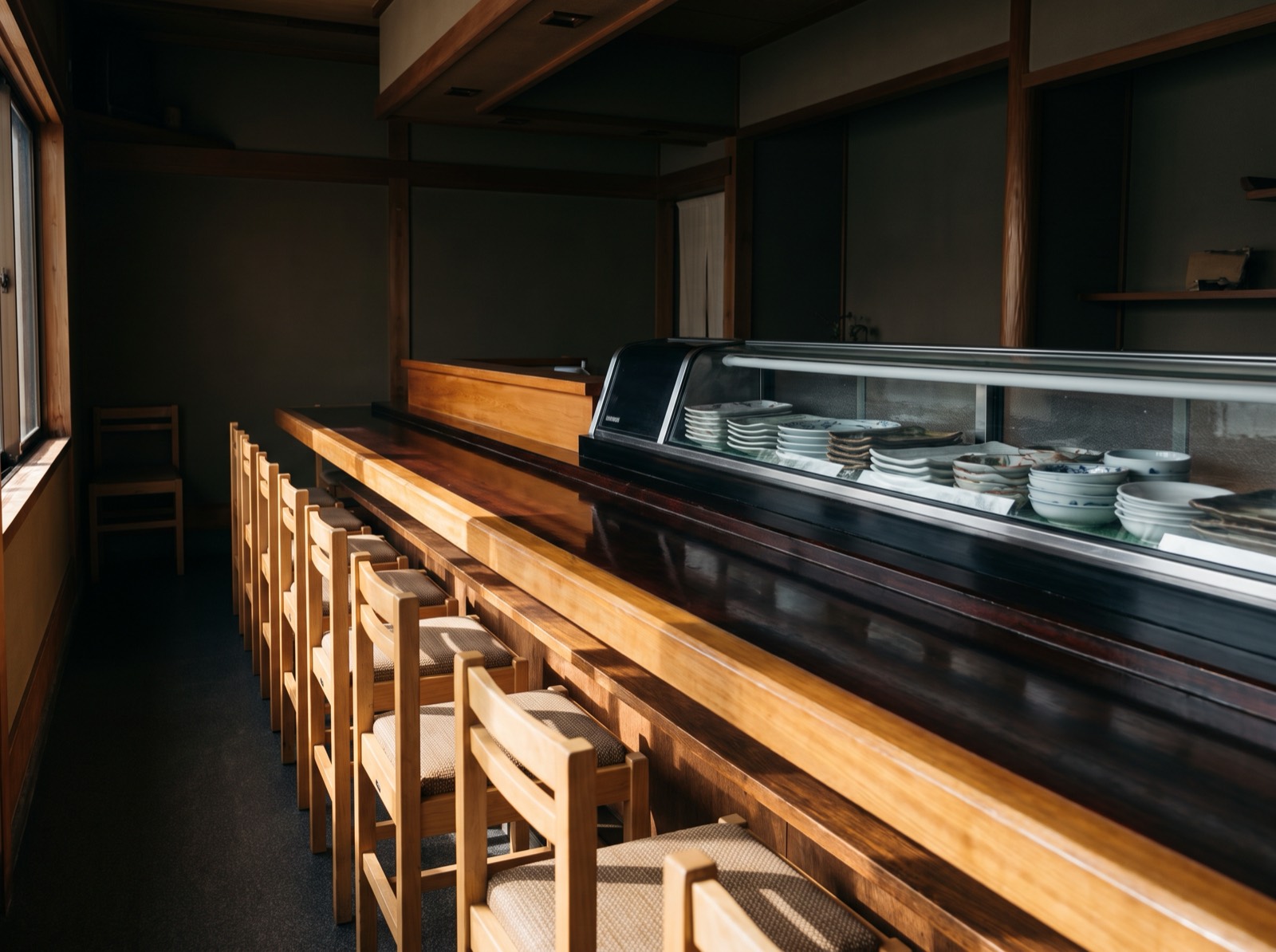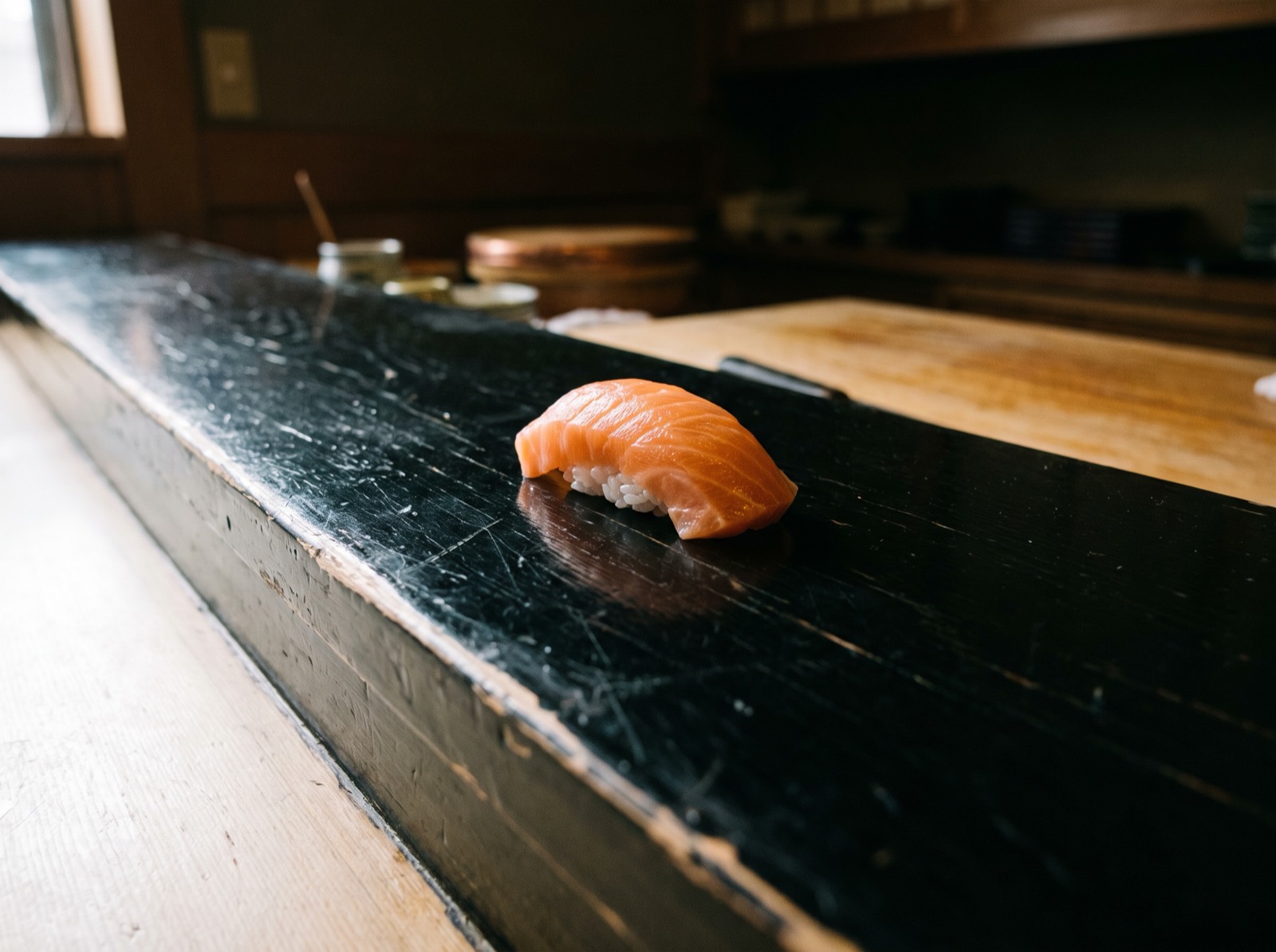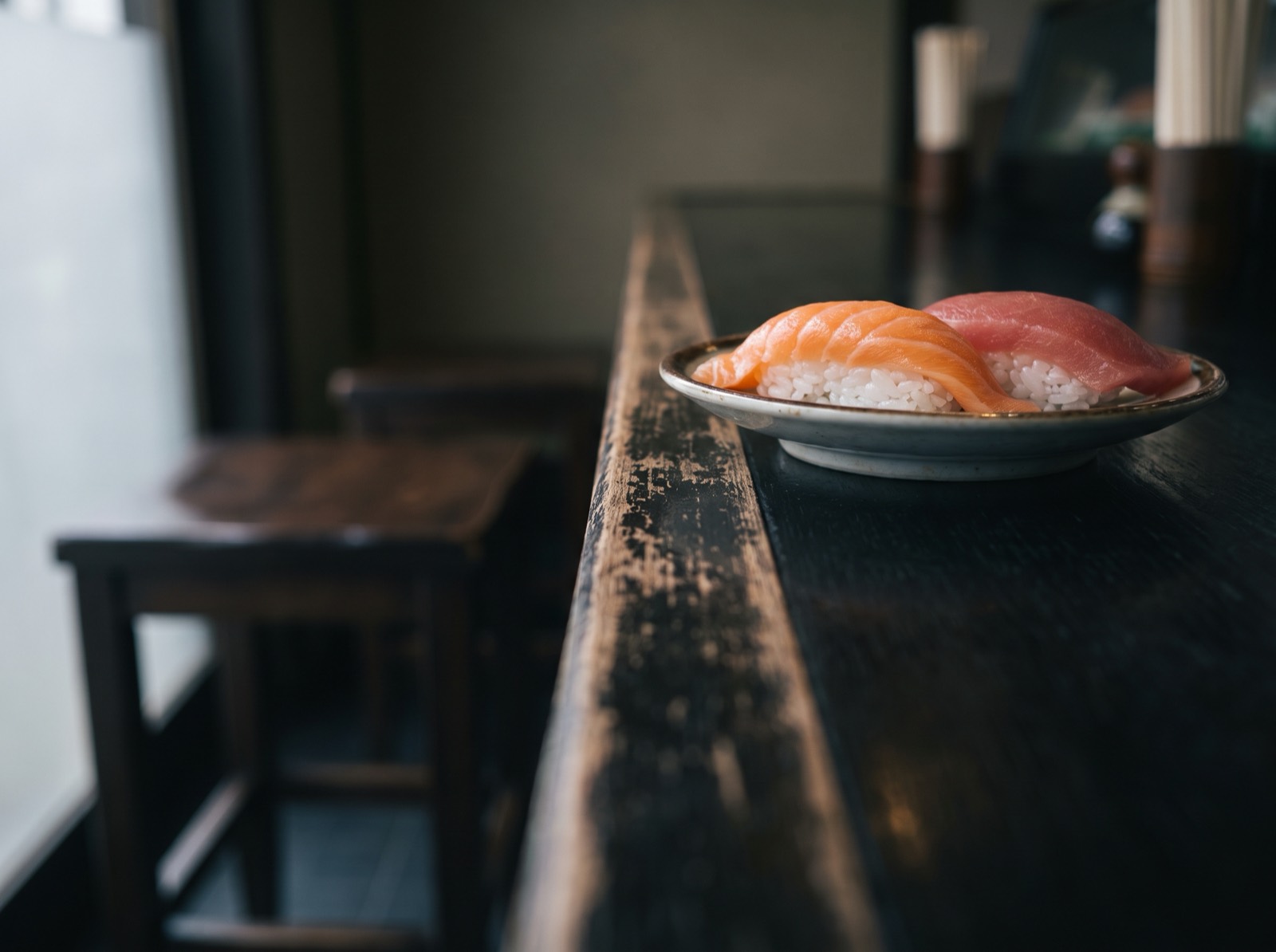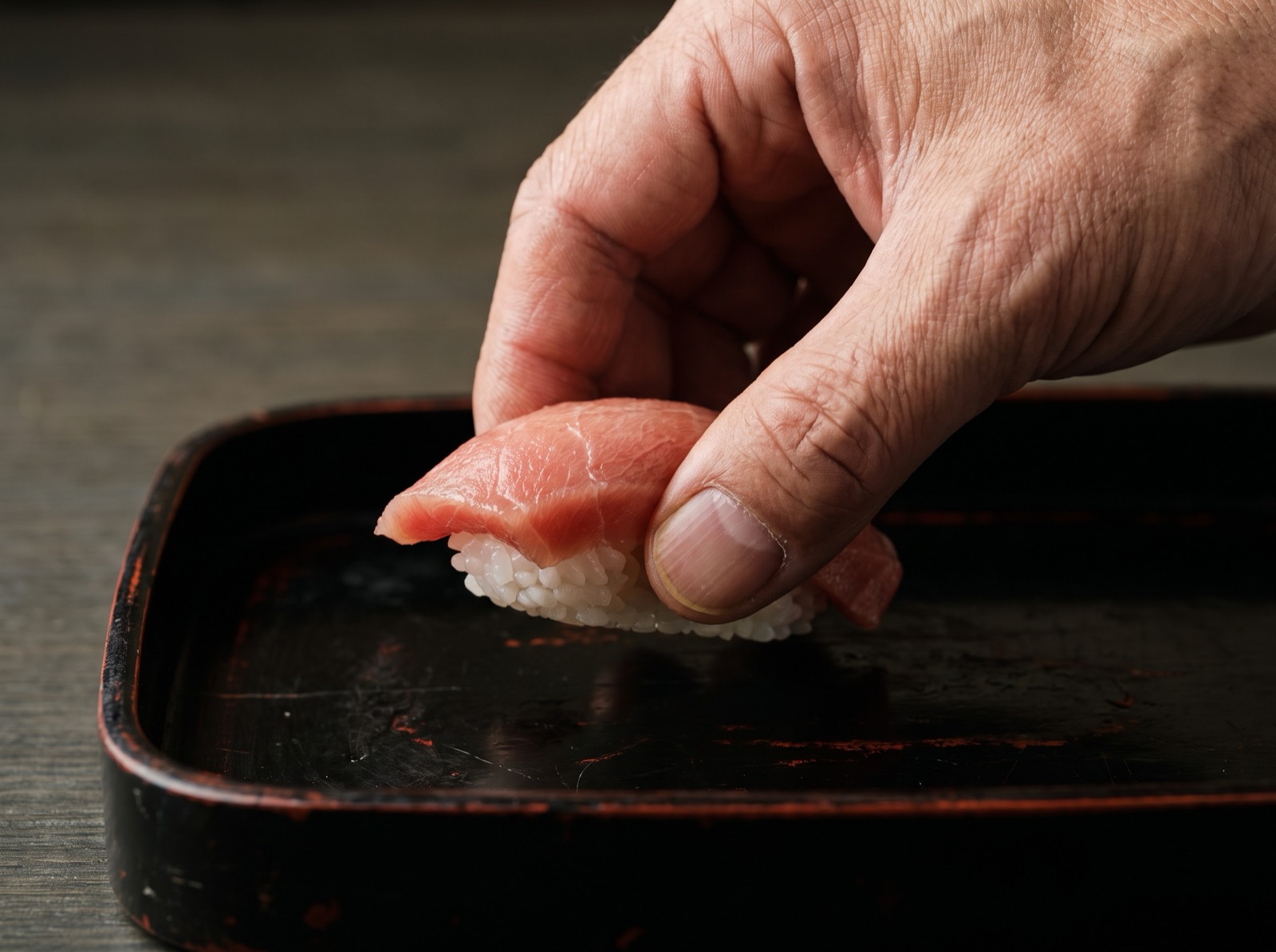
This hub distills everything worth knowing before you eat sushi in Japan, in four parts: etiquette, price, ordering, and the varieties you'll encounter at the counter. Every guide draws on public data from Japanese government agencies, Japanese-language trade manuals, and the published records of the markets and municipalities involved.
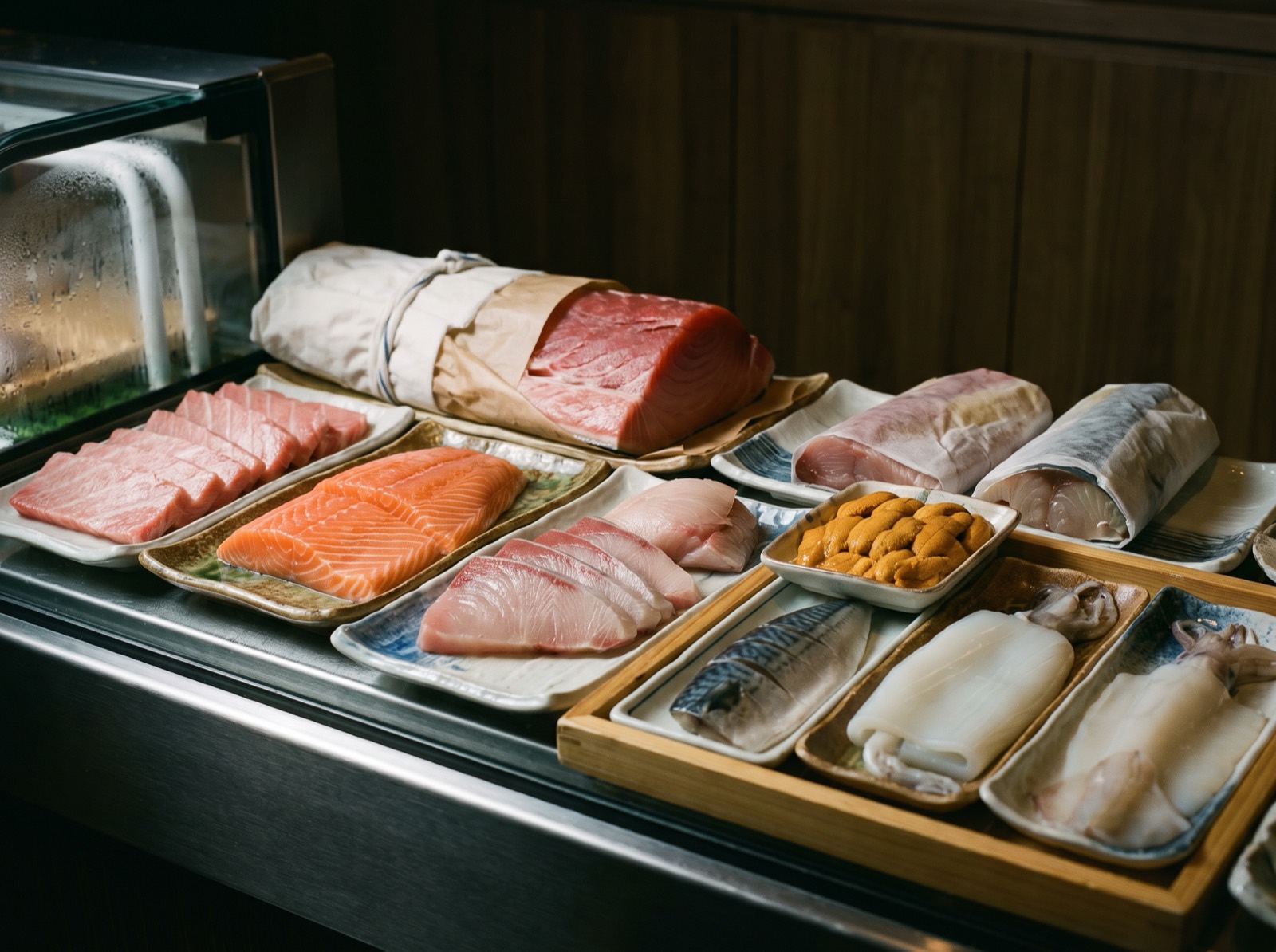
It is not a tasting menu. It is a series of decisions made in front of you, in real time, using seafood selected before you woke up.
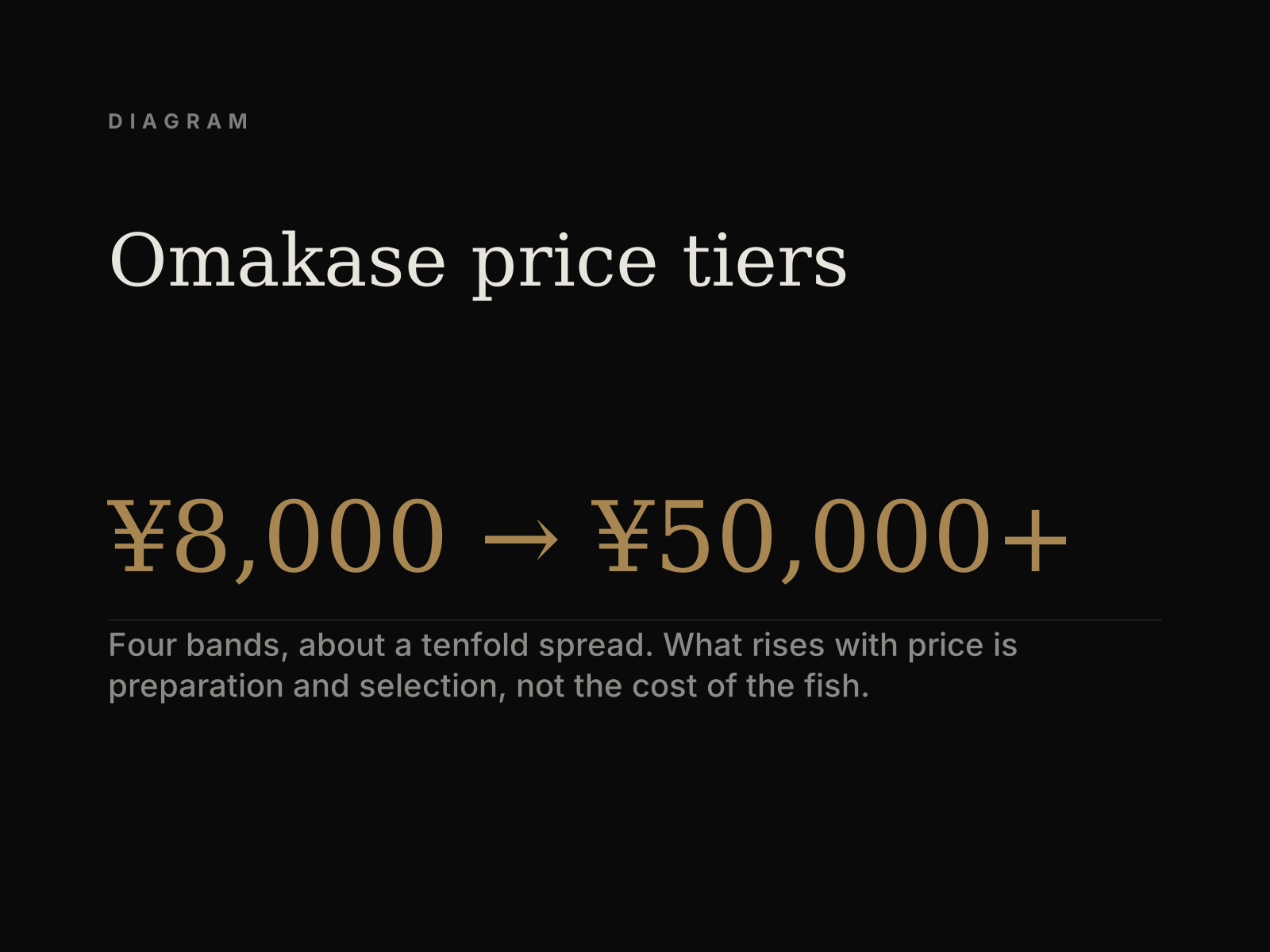
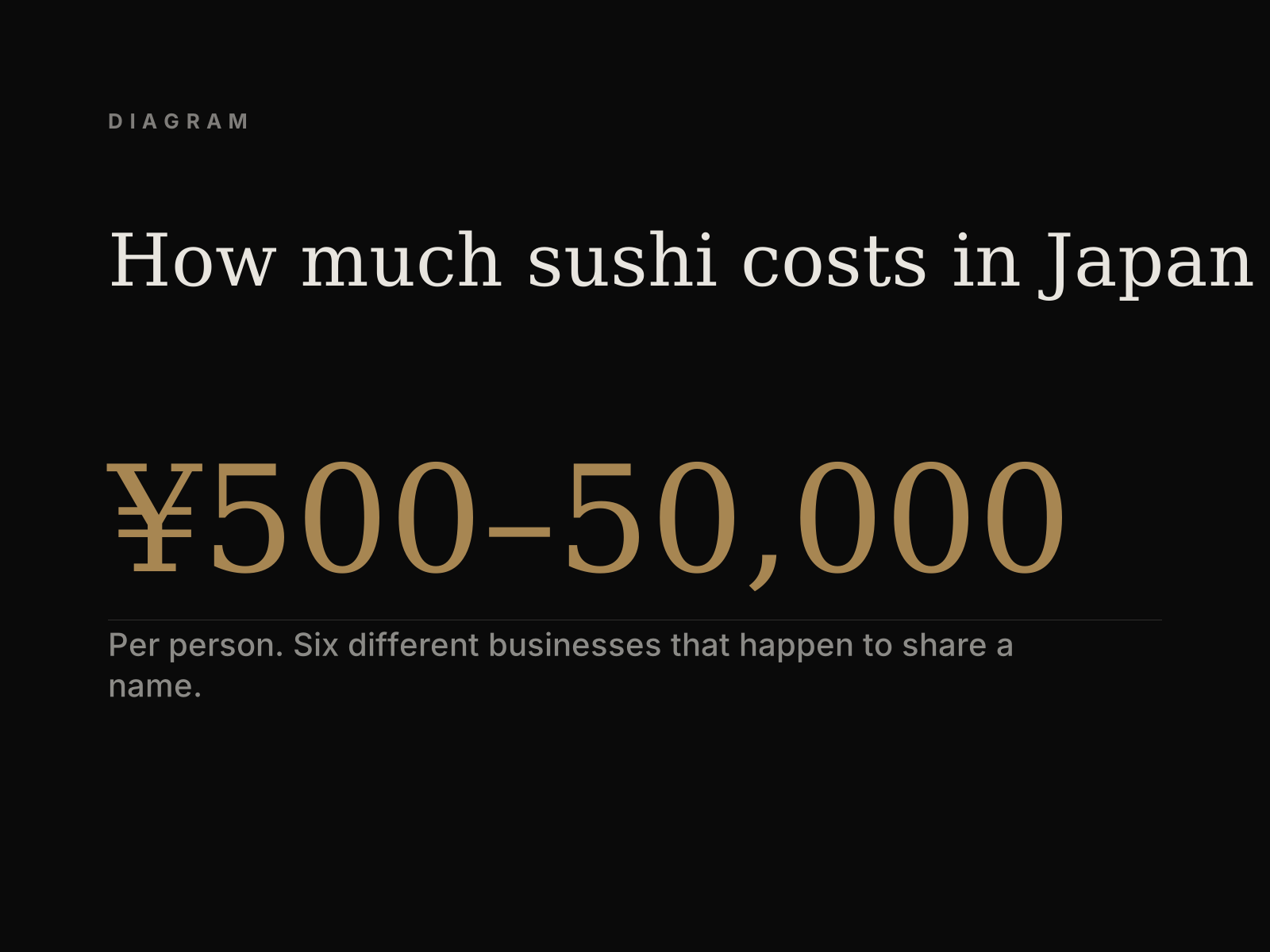
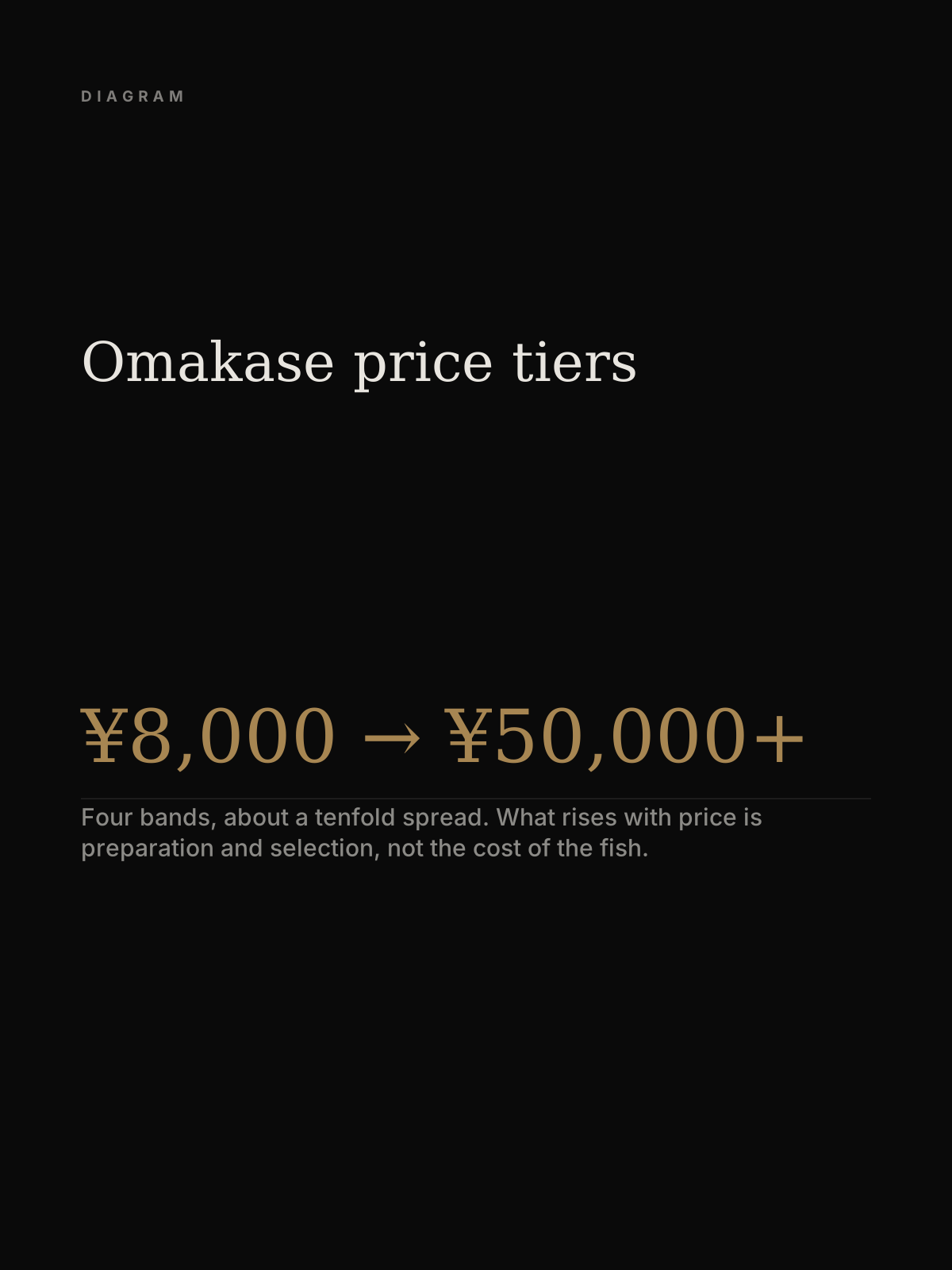
The listed price is almost never the price you actually pay. Here is what makes up the difference, and what separates each price band.

Two decisions do most of the work: how much you intend to spend, and which format you are actually booking. The rest is reading signals that are already in front of you.

The booking is where most of the meal is decided — the count, the fish, the start time. How each channel actually works, and what to say once you get through.

There is no test at the door. There is a short list of things that change how the food tastes, a slightly longer list of things that make you easy to serve, and a very long list of rules that exist mainly in English.

The internet has produced a long list of sushi prohibitions and a short supply of reasons. Here is the version with the reasons attached — which turns out to be a much shorter list.

Etiquette is the social frame. This is the other half: the hand movements, the angle, the timing, and the reason each of them exists.

Handing the decisions to someone else changes what politeness consists of. Most of it happens on the phone, the day before.

Eight words will carry you through an evening. Another thirty are worth understanding and not saying — they belong to the people working, not to the people eating.

It is not a tasting menu. It is a series of decisions made in front of you, in real time, using seafood selected before you woke up.

A short answer with the variables attached — because the difference between an hour and two and a half is mostly decided by things you can find out when you book.
The listed price is almost never the price you actually pay. Here is what makes up the difference, and what separates each price band.
Six formats, six different price logics. Most price guides describe one of them and call it sushi.
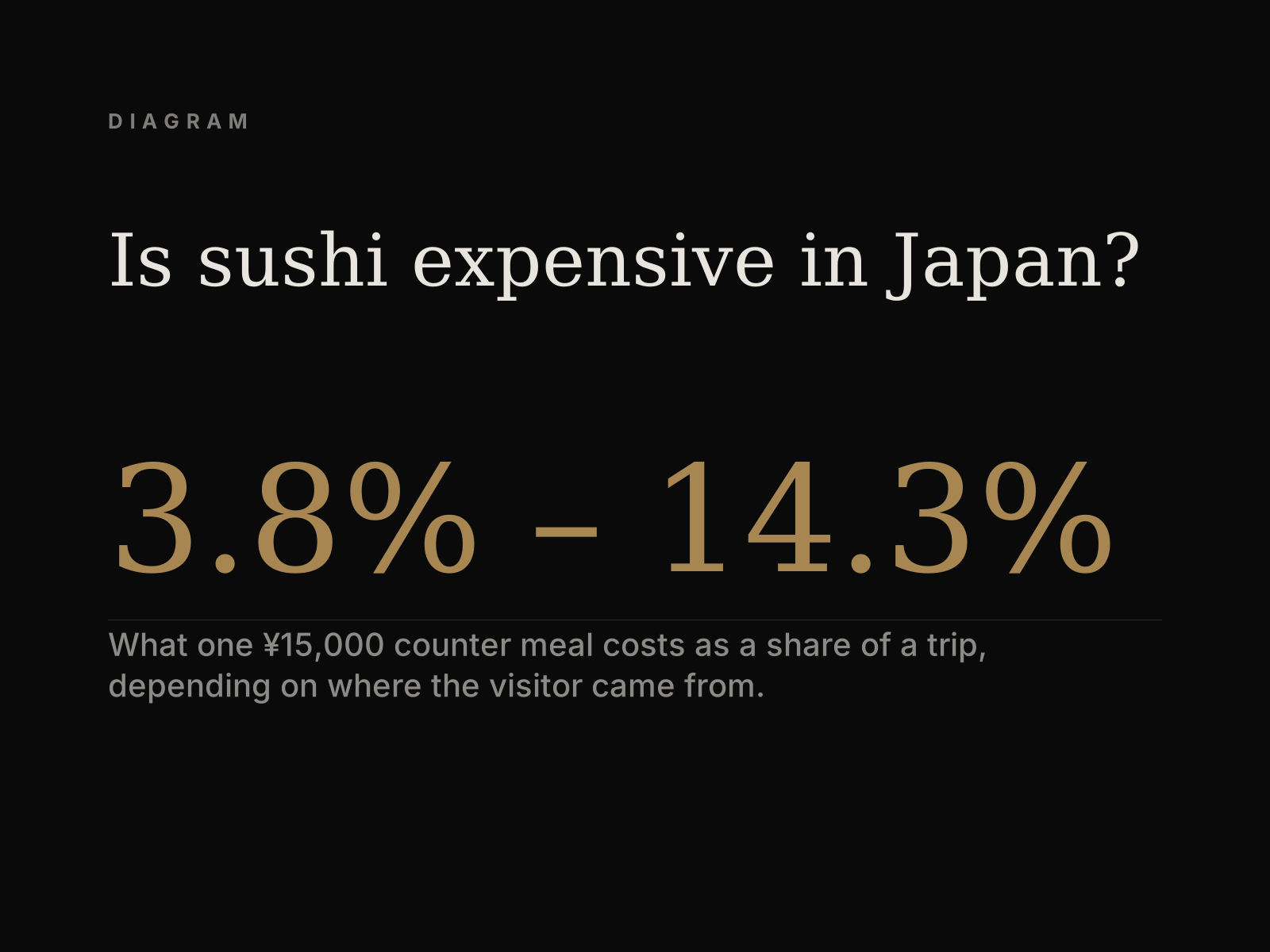
The honest answer is two answers, and the official statistics show why the same meal feels completely different depending on your passport.
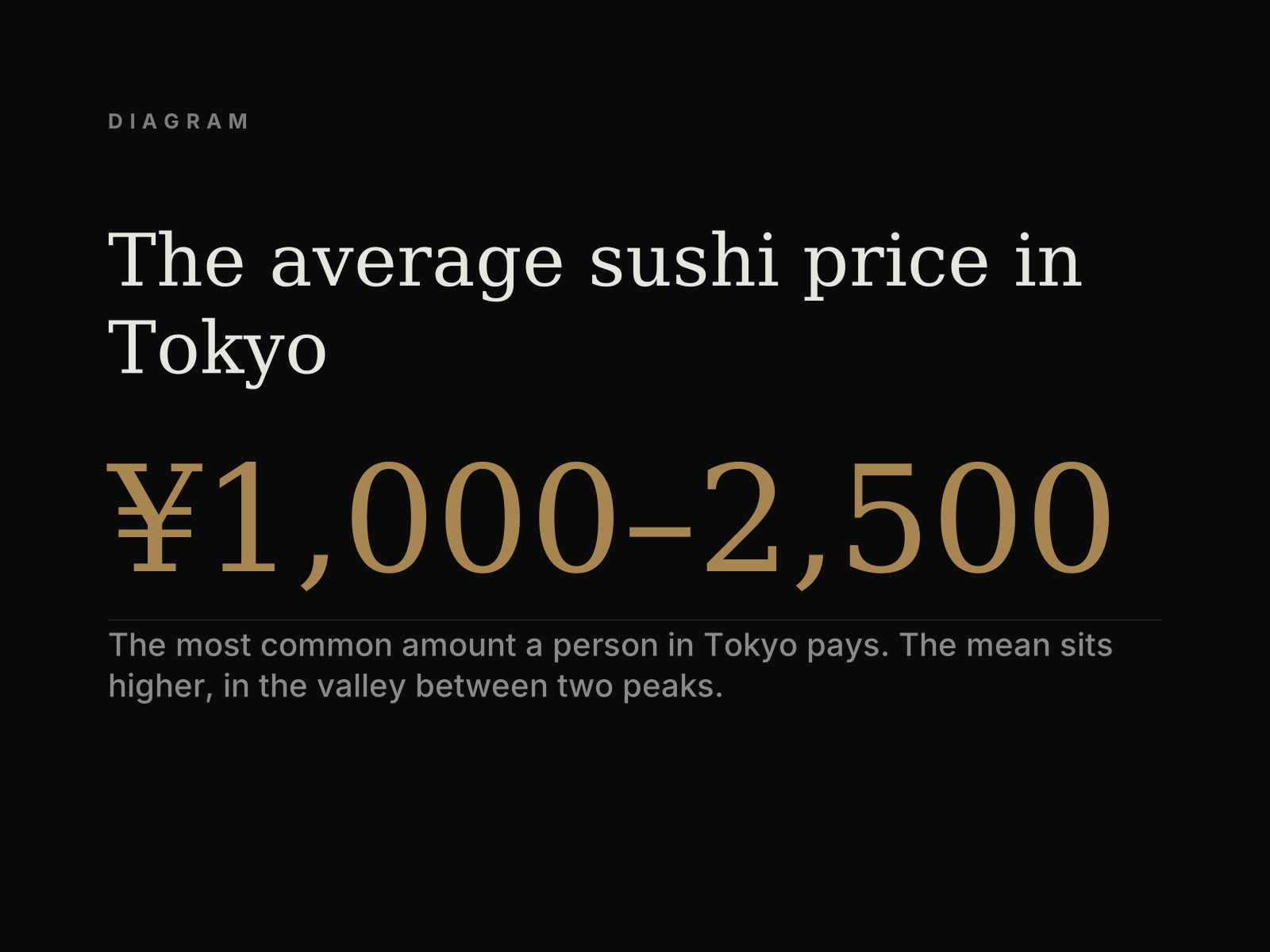
The question has an answer, but it is not a single number. A mean drawn across conveyor belts and counters describes no meal that anyone eats.
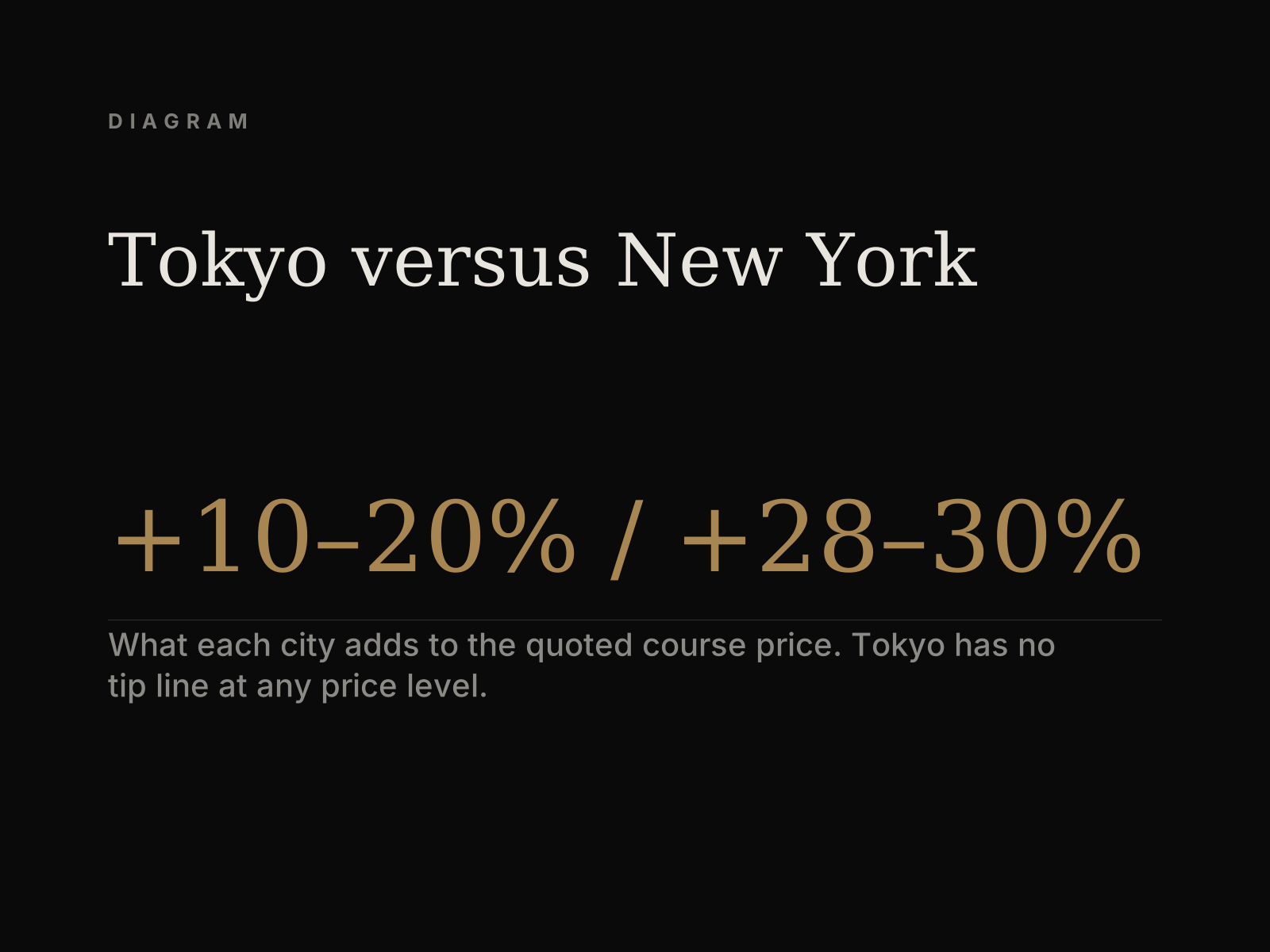
Both cities have counters where one person makes twenty pieces in front of ten people. What separates the bills is mostly not the sushi.

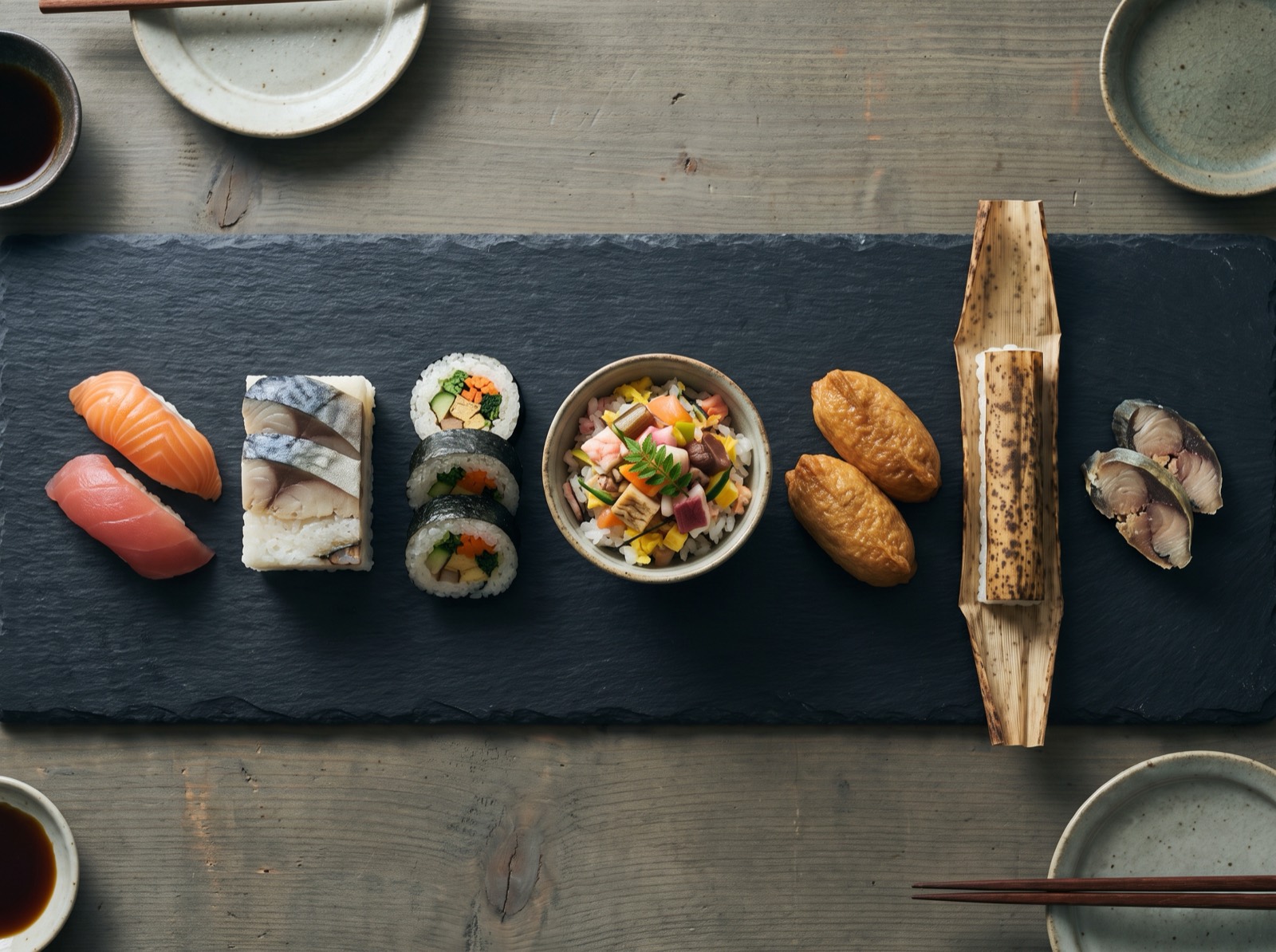
Most English lists of sushi types are lists of toppings. The Japanese categories are structural, and they run in historical order.

The word is on half the sushi signs in Tokyo. It means something specific, and you can check whether a shop means it within about three pieces.

A short answer, and then the four consequences of it that actually matter when you are sitting down to eat.

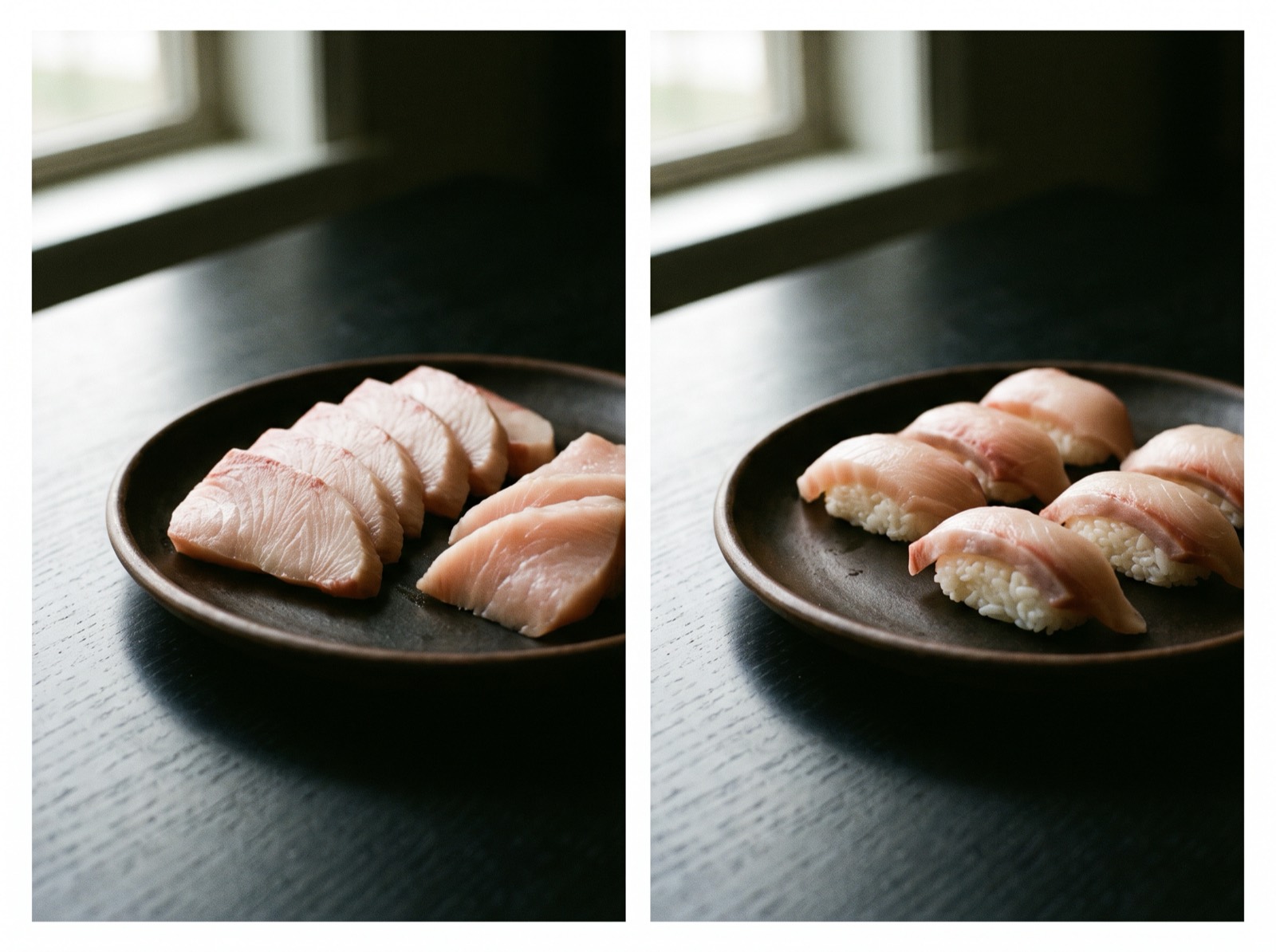
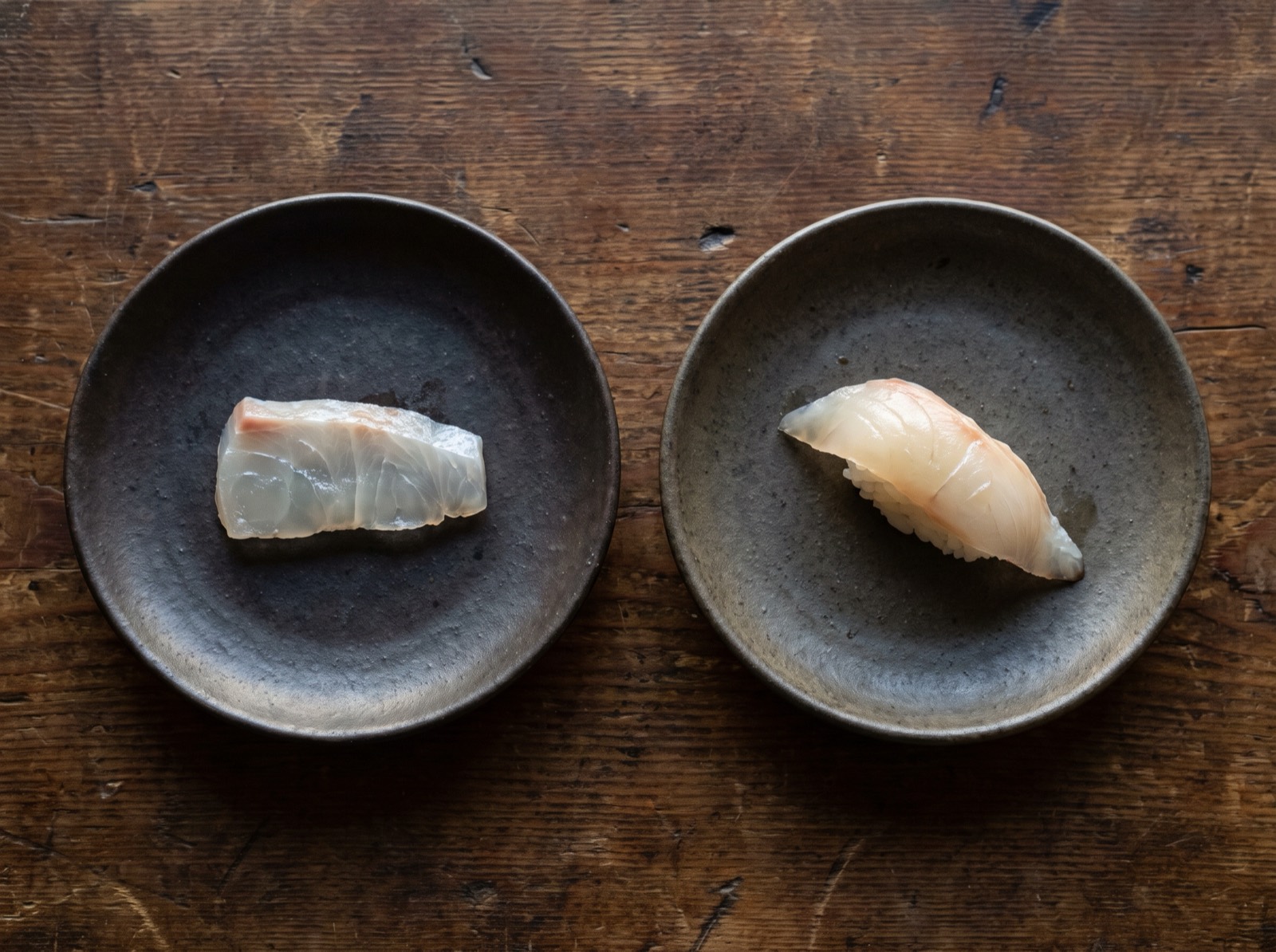
The comparison people usually mean when they type “sushi vs sashimi”. Here the difference really is a single ingredient, and it changes the fish.

Not a hierarchy. Two formats built for different purposes, and a great many people eat both in the same week.
Tokyo, Osaka and Kyoto are not three grades of the same thing. They are three answers to different questions, and the one that suits you depends on how many dinners you have and what the rest of the trip is for.

English writing treats Tokyo's style as sushi and everything else as a variant. Osaka got there first, and its answer is still the better one for some fish.

A star is a reliable signal about one narrow thing. Most visitors use it as a signal about something else, and are disappointed for reasons that have nothing to do with the food.
This page exists to hold the year together. It deliberately does not give you a fish for every month, and the reason is the most useful thing on it.
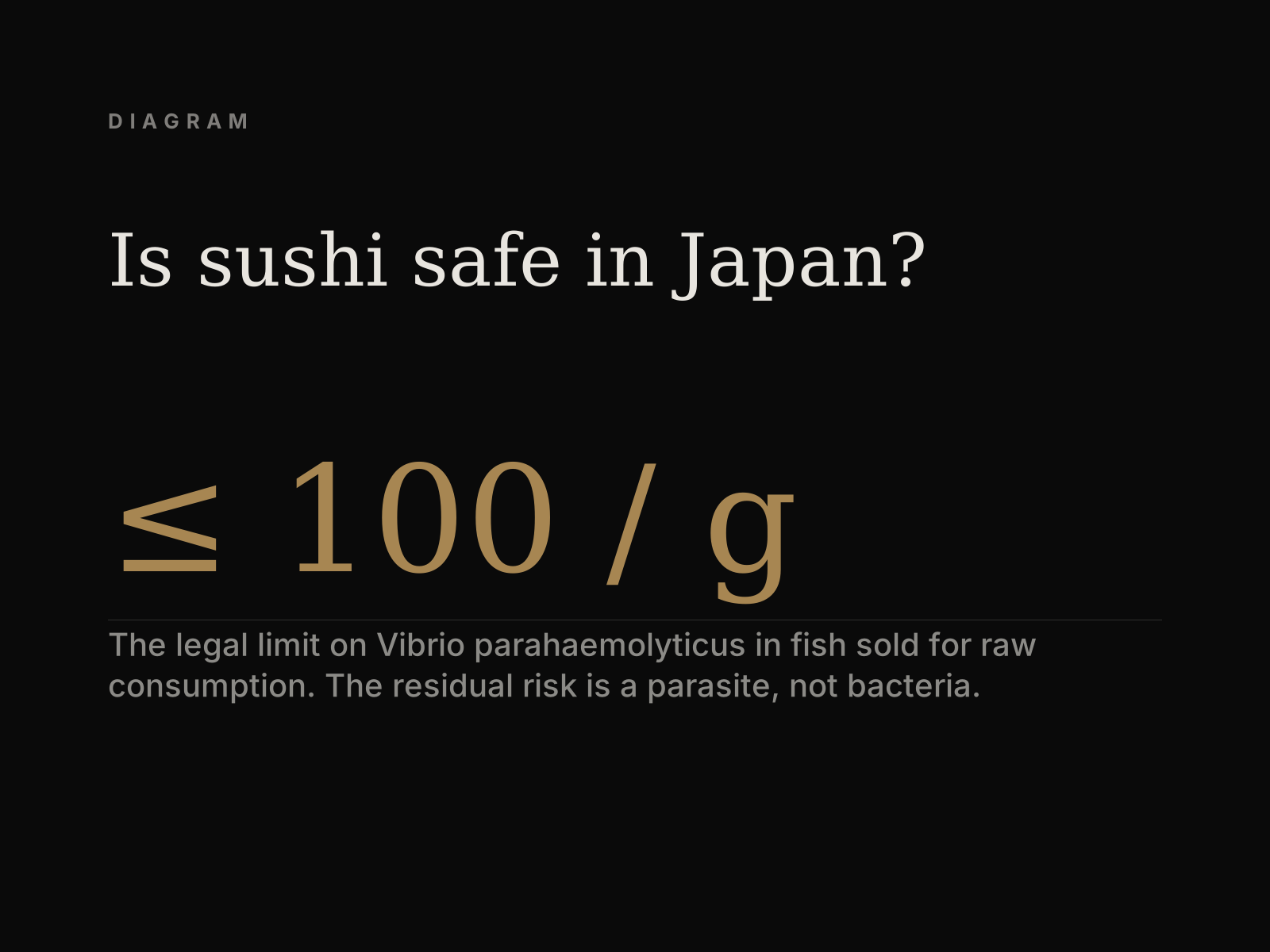
The question is reasonable and the answer is documented. Almost everything on this page comes from Japanese ministry and agency pages rather than from anybody’s reassurance.

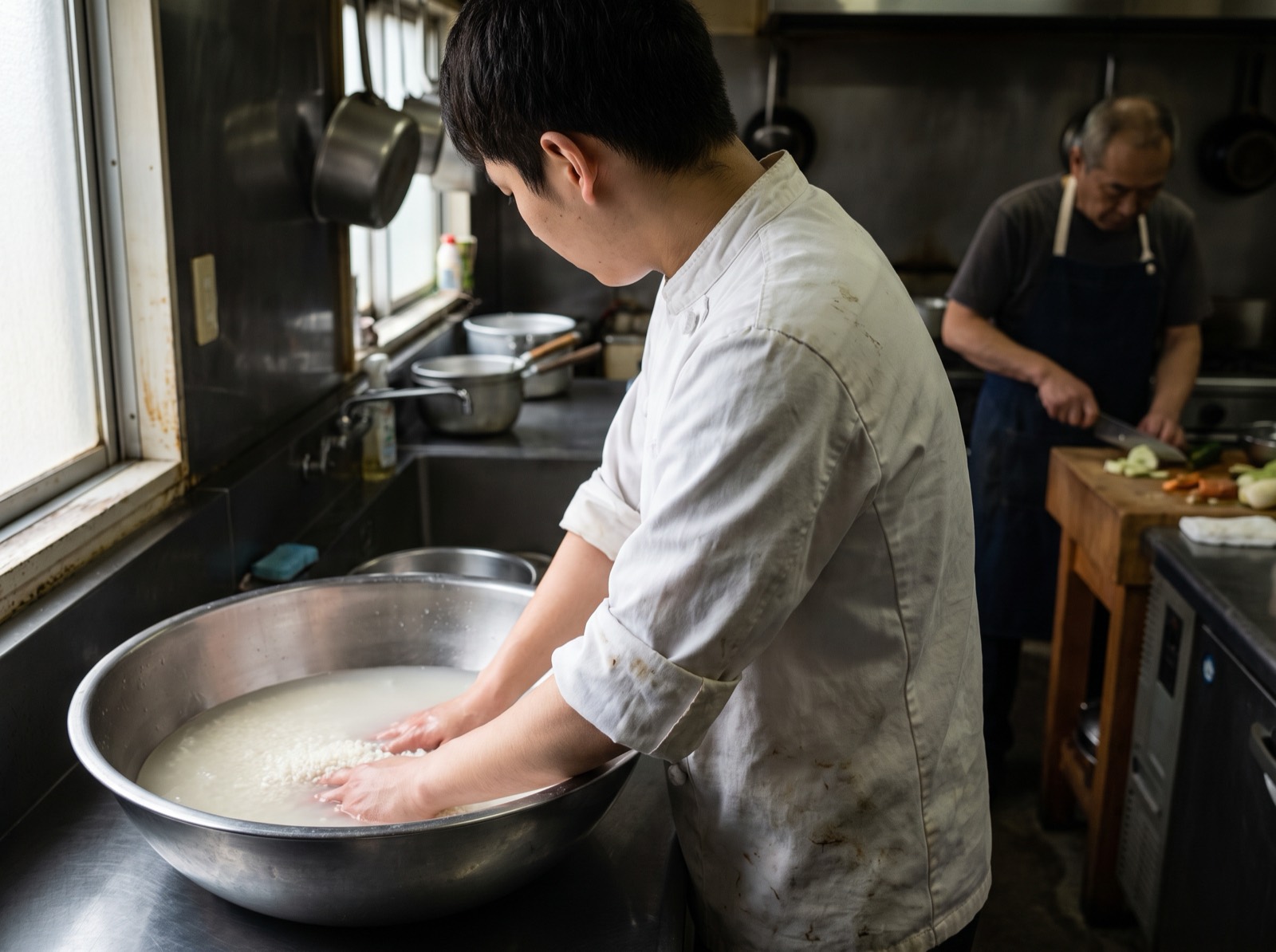
The apprenticeship is a custom, not a rule. Japanese law asks almost nothing of the person making your sushi — and a great deal of the person making your fugu.
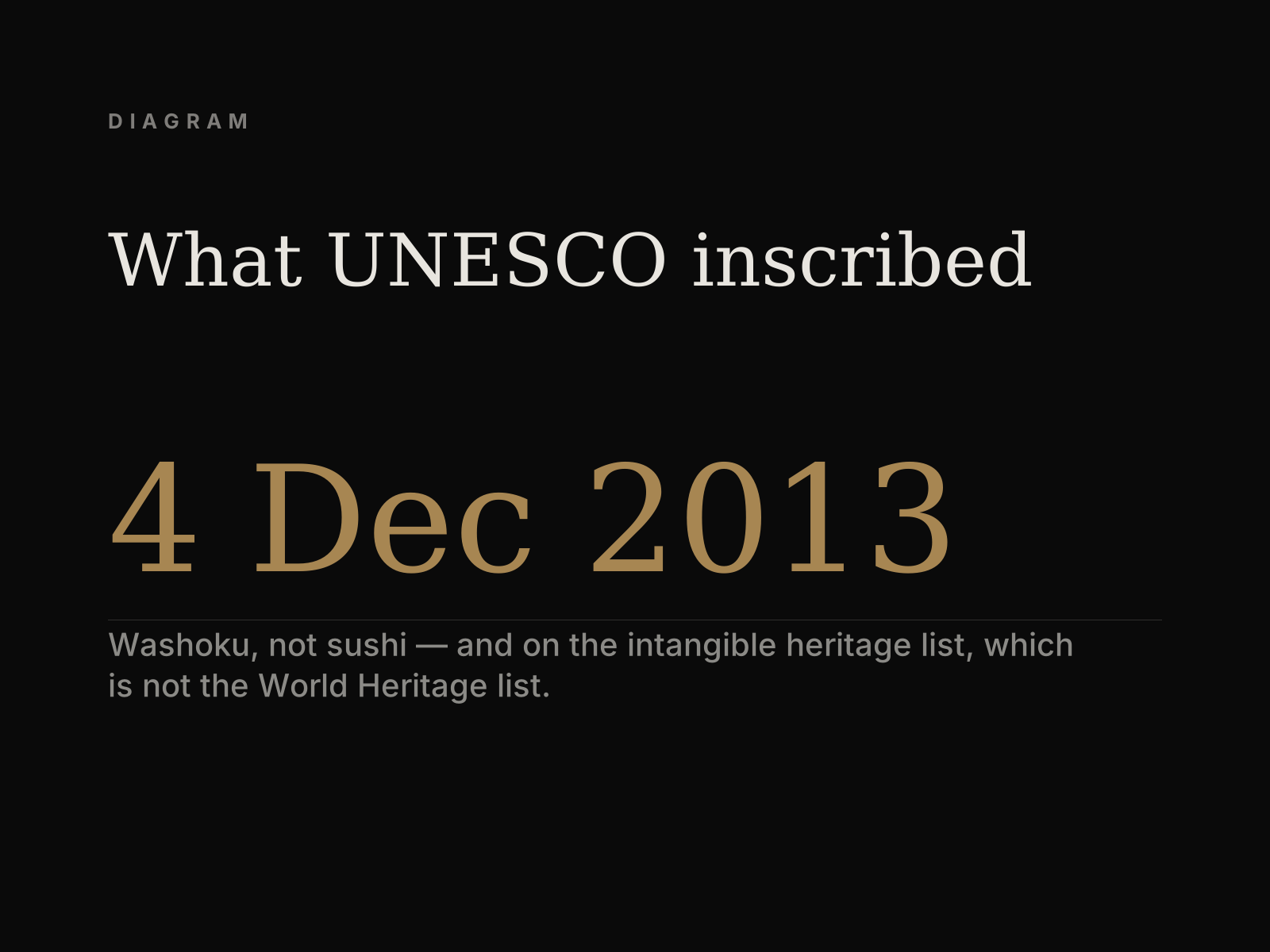
A sentence that appears in a great deal of English-language food writing, and that Japanese government pages contradict on two counts at once.
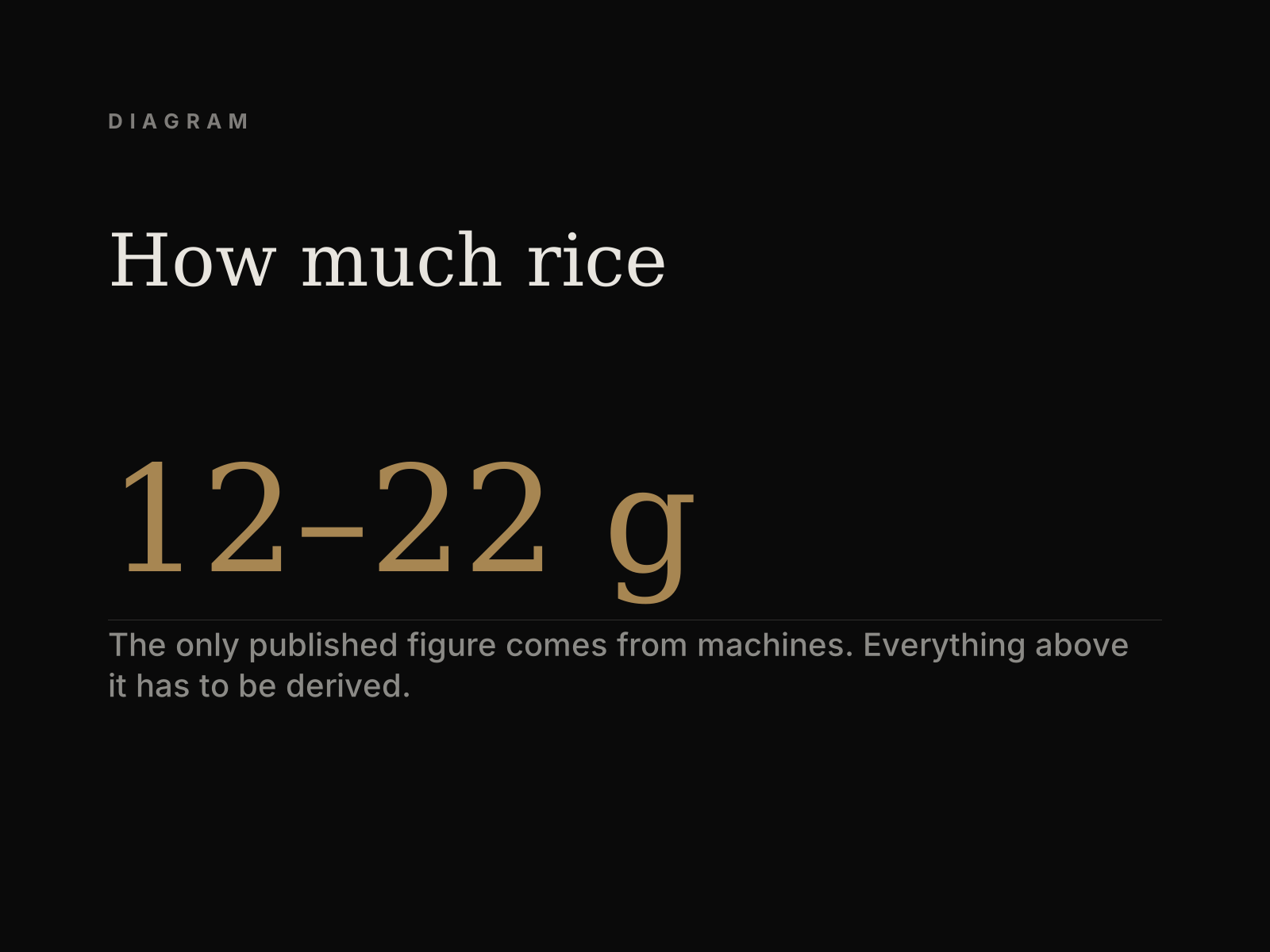
Three published figures, none of which match. The gaps between them are the most interesting thing about the question.
Guides explain the why. These three sections cover the words, the cities, and the counters themselves.