The question people actually type is what city in Japan has the best sushi, and it does not have an answer in that form. Three cities are worth planning a meal around; they are good at different things, and the one that suits you depends on how many dinners you have, how far ahead you are booking, and whether sushi is the point of the trip or one part of it. Here is how they differ, and what to do about it.
The short answer
- Tokyo if you want the deepest bench of Edomae counters in the world and are prepared to book early and pay for it.
- Osaka if you want the best value for equivalent work, plus a second and older sushi tradition that Tokyo does not have.
- Kyoto if sushi is one meal inside a trip that is really about Japanese cooking — and if you would rather eat one great counter than three good ones.
If you are choosing between exactly two cities and have no other constraint: Tokyo for the ceiling, Osaka for the floor. Kyoto is not competing on either axis, which is the honest way to put it.
Tokyo has the highest ceiling. Osaka has the highest floor. Kyoto is not in that argument, and that is the useful thing to know about Kyoto.
What "best" is actually measuring
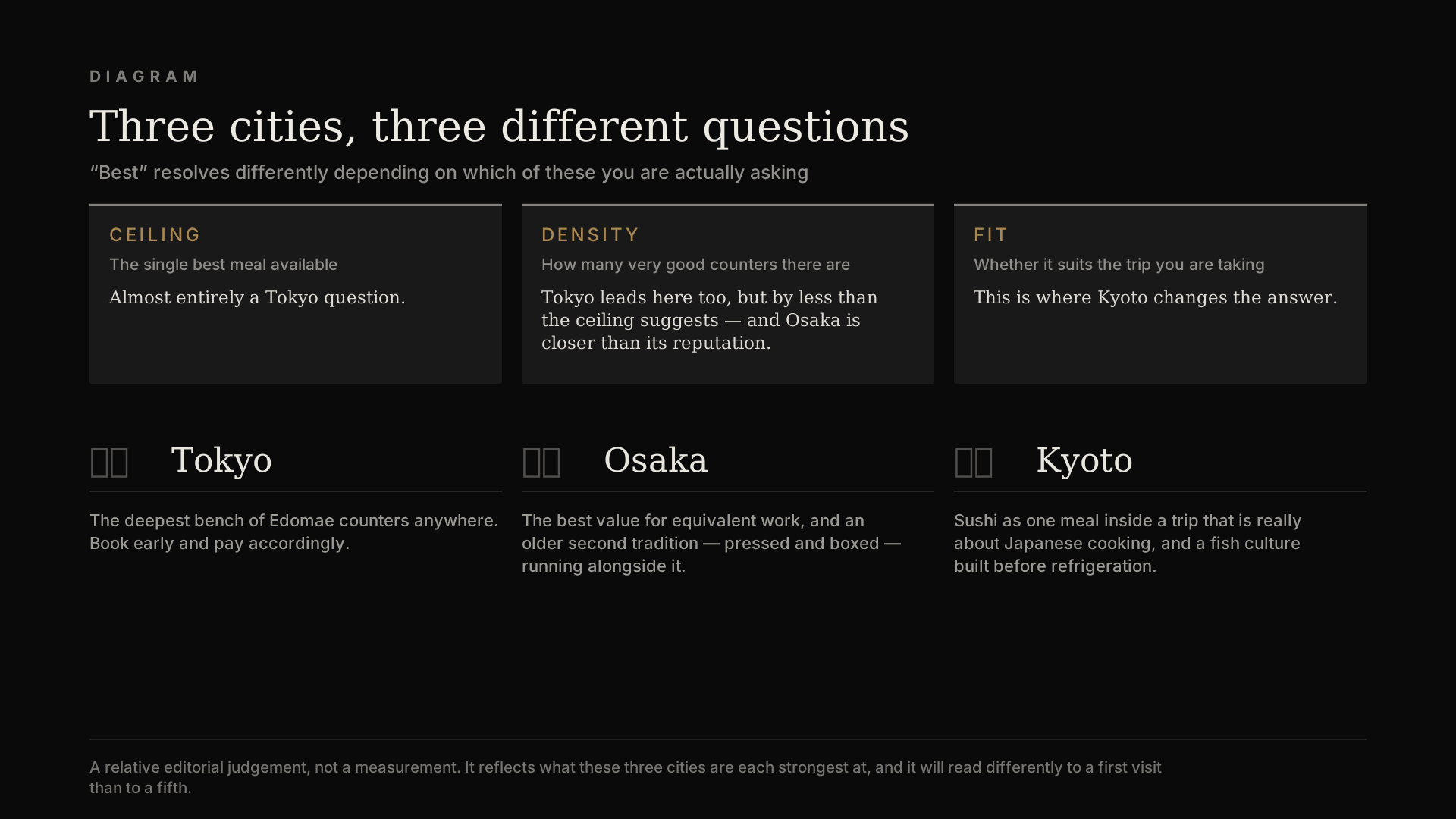
Three different things get compressed into the word, and they point in different directions.
- Ceiling. How good is the single best meal available. This is almost entirely a Tokyo question.
- Density. How many rooms are doing serious work, and therefore how likely you are to eat well at a place you could actually get into. Tokyo leads here too, but by less than the ceiling suggests, and Osaka is closer than its reputation.
- Fit. Whether a sushi counter is the right use of the evening in that city at all. This is where Kyoto changes the answer.
Tokyo
Michelin has published a Tokyo guide since 2007, and from its first edition the city has held more starred restaurants than any other in the world, with sushi heavily represented among them. Whatever you think of the guide as a booking tool — and we think it is a poor one for eight-seat counters — the concentration it is measuring is real.
The supply side is the reason. Toyosu handles 1,342 tonnes of seafood on an average day by the market's own published figure, and the city's counters buy against that every morning. Nigiri itself was invented in Edo around 1820; the technique, the vocabulary and the training lineages are local. When people say ‘Edomae’ they are naming this city's method, and this is where the deepest version of it is practised.
The costs are the mirror image. Booking windows are long, the top rooms are effectively closed to first-time visitors without an introduction, and prices at the level people fly in for start where Osaka's stop. Tokyo rewards planning more than any other city on this list, and punishes its absence more.
Osaka
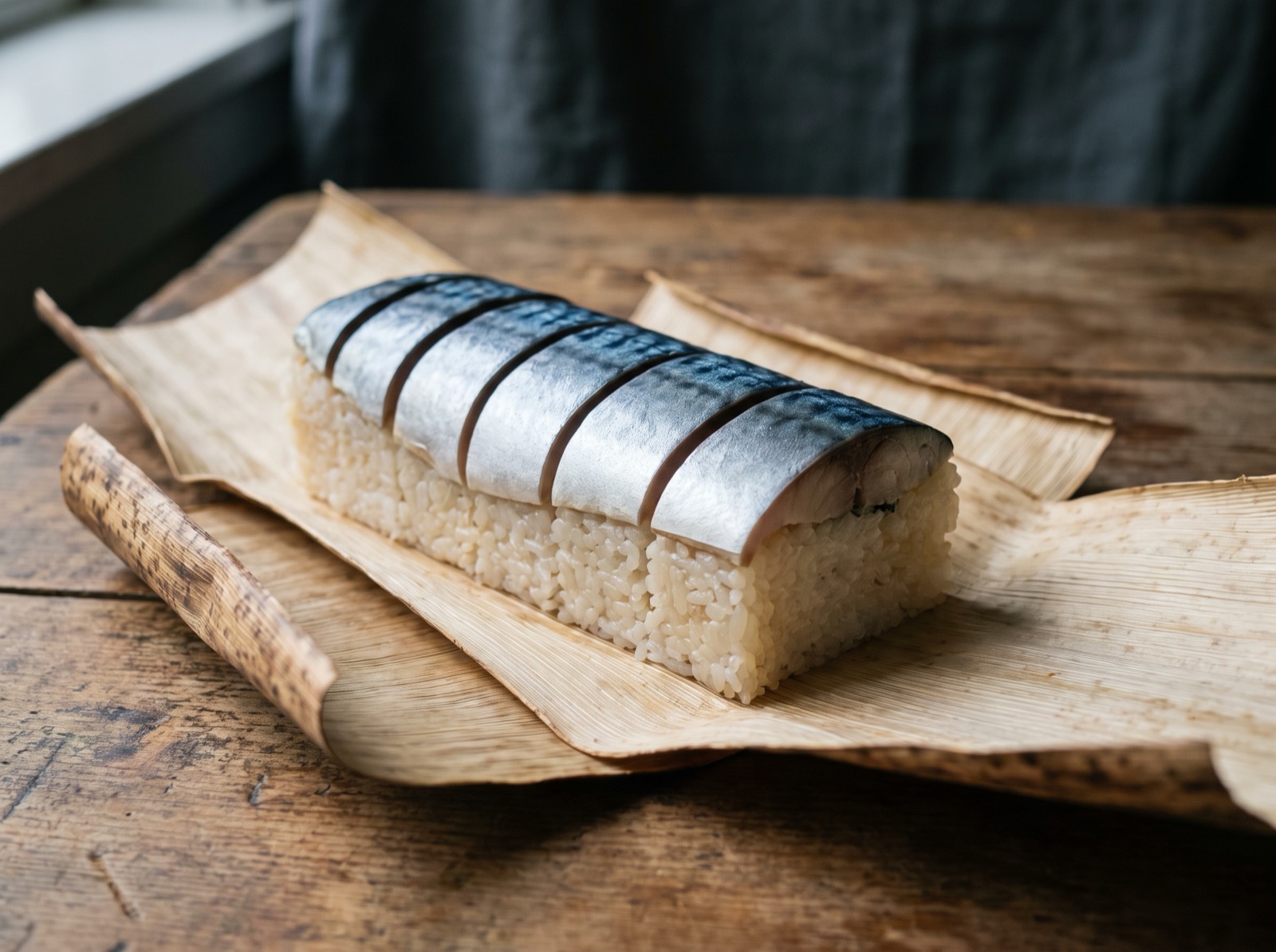
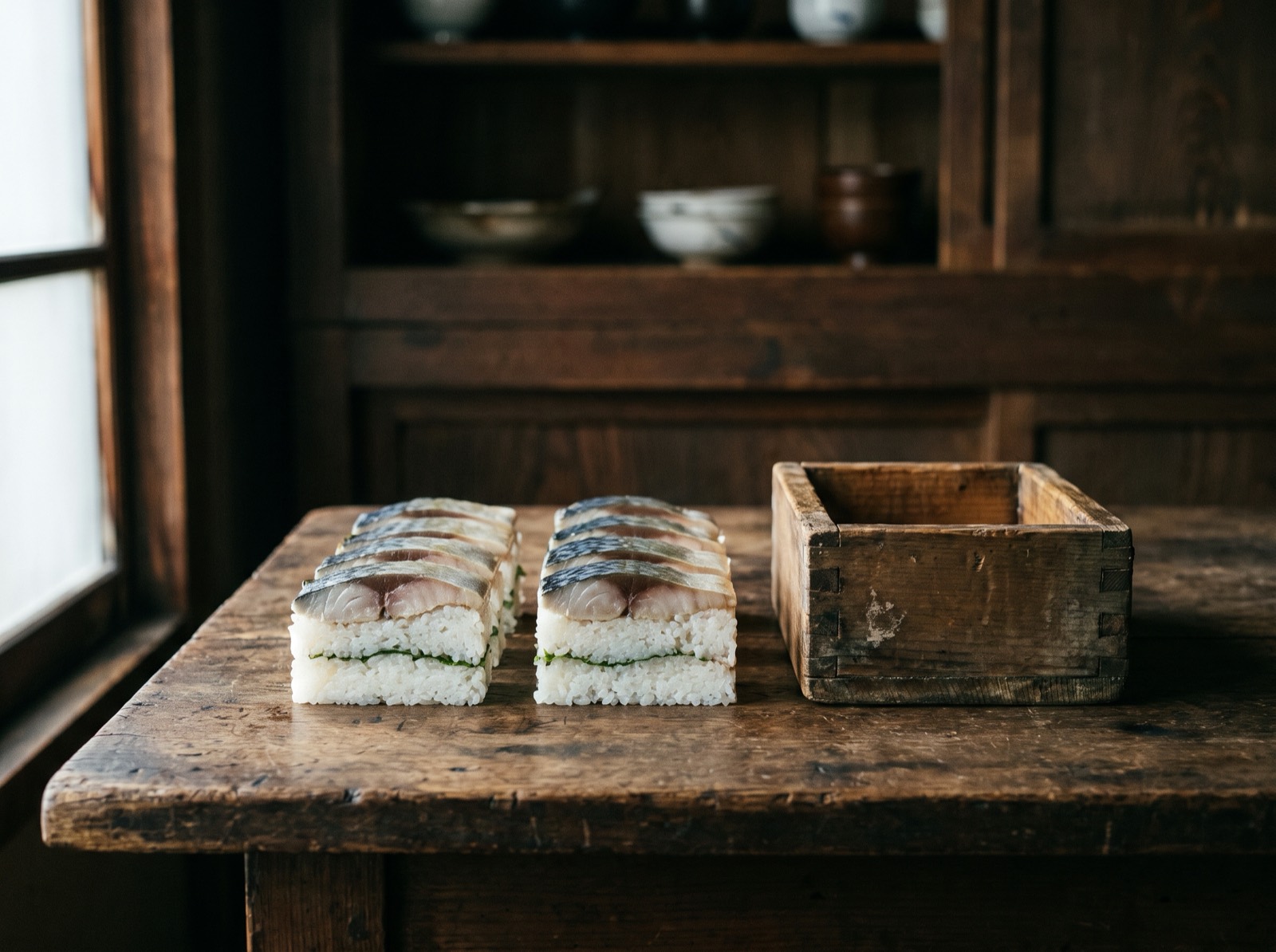
Osaka has Edomae counters in quantity and it has something Tokyo does not: its own pressed sushi tradition, centuries older than nigiri, still made as a speciality rather than a museum piece. Battera — mackerel cured in salt and vinegar under a sheet of translucent kelp — is the form to try, and it is a genuinely different pleasure from a hand-formed piece, not a lesser one.
On price, Osaka sits roughly one band below Tokyo for equivalent work. The difference is not the fish. It is covers, rent, and how many people are chasing the same seat. For a visitor with a fixed budget, that band is the single largest lever available anywhere in Japan.
The city also treats the counter differently. In Tokyo, sushi is near the top of the local hierarchy. In Osaka it is one excellent item on a very long street, which is why a first-time visitor who spends every meal on sushi in Osaka has arguably misread the city — though less badly than in Kyoto.
Kyoto
Kyoto has no coast of its own. Its fish came over a mountain pass from Wakasa Bay — about seventy-two kilometres, salted at the boat and cured by the walk — and its own sushi is the result: sabazushi, pressed cured mackerel, made at home for festival days rather than served across a counter. The city solved the supply problem permanently in 1927 by opening Japan's first central wholesale market, and it has had good fish ever since.
But what Kyoto registered with the national government in 2022 is kyō-ryōri — its own cooking, defined to include the room and the reception of the guest as well as the food. Sushi is not part of that definition. Kyoto is a kaiseki and kappō city that also has sushi, and the counters here are frequently excellent without being the reason anyone should come.
Kyoto is also the hardest of the three to book relative to its size. The city recorded 16.59 million overnight visitors in 2025, of whom 8.09 million were foreign — just under half. Against a small number of counter seats, that is what you are competing with.
Is omakase better in Tokyo or Kyoto?
For omakase specifically, Tokyo. It is not close, and the reason is structural rather than a matter of taste. Omakase at a sushi counter is an Edomae format: the chef's sequence, the cured and marinated work, the pacing across twenty-odd pieces. That format was developed in Tokyo, is taught in Tokyo lineages, and has more rooms practising it at a high level in Tokyo than in the rest of Japan combined.
Kyoto's equivalent achievement is a different meal. If you want the Kyoto version of ‘the chef decides’, it is a kaiseki course, and it will be as considered as anything you will eat in Tokyo — but it is not omakase sushi, and judging it as though it were is how visitors end up disappointed by both.
The exception worth knowing: Kyoto does a hybrid particularly well, where a counter runs sushi alongside cooked kappō dishes in one sequence. If that sounds better to you than twenty pieces in a row, Kyoto is where to book it.
If you only have one sushi dinner
Pick by what the rest of the trip looks like.
- Tokyo only, and you booked late. Take a lunch omakase rather than a mediocre dinner. The same kitchen at midday is the best-value seat in the city.
- Tokyo and Osaka. Spend the sushi budget in Tokyo and eat everything else in Osaka. Do not split it evenly.
- Osaka and Kyoto. Sushi in Osaka, kaiseki in Kyoto. This is the arrangement locals would suggest and it is not a compromise.
- All three. One counter in Tokyo, one in Osaka, and in Kyoto either a kaiseki or a sushi-and-kappō counter. That is a complete picture of Japanese sushi in three meals.
Prices, side by side
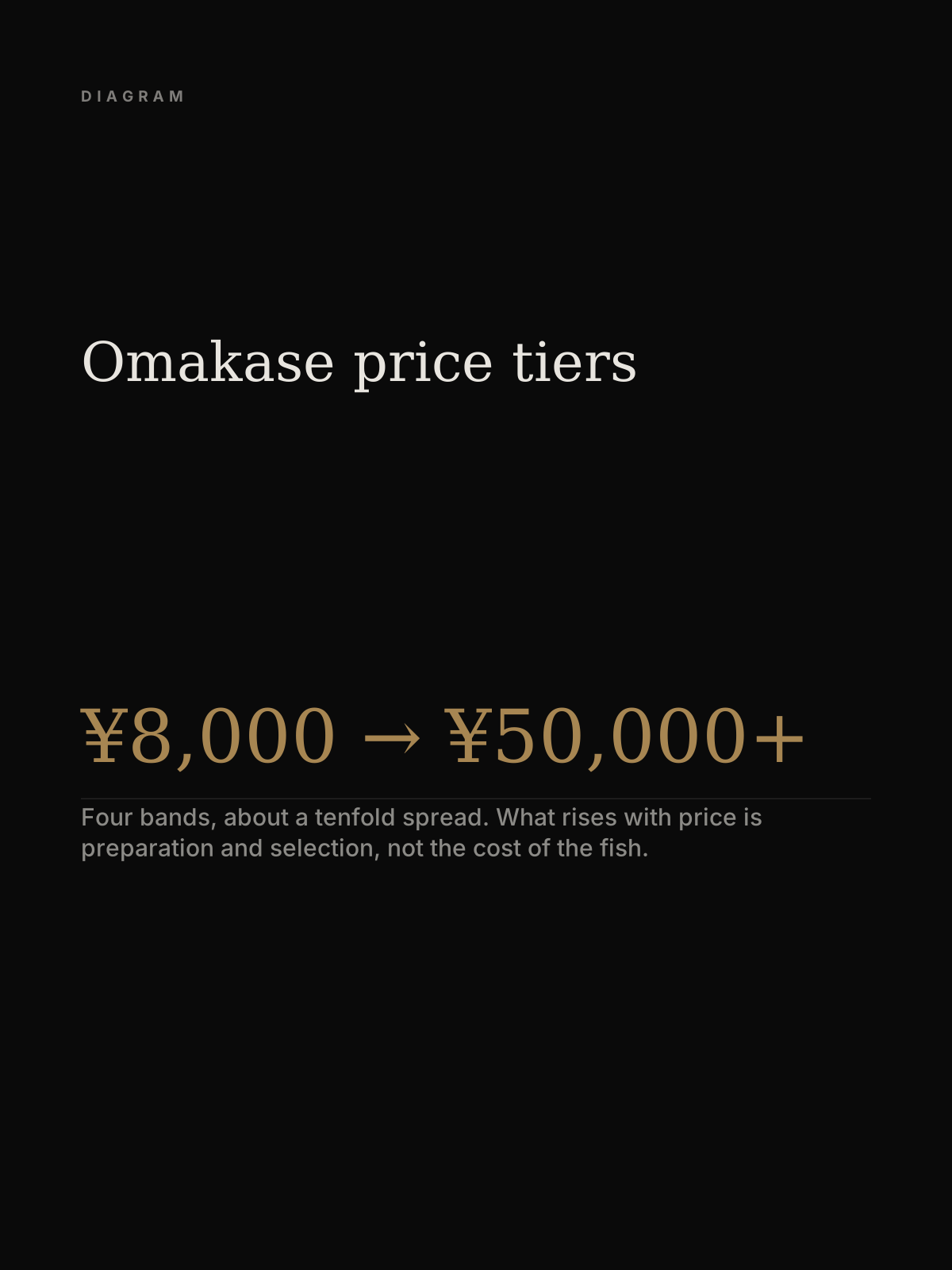
Bands work the same way in all three cities, so the comparison is about where each city sits on the same ladder rather than about different ladders. Osaka sits about one band below Tokyo for the same standard of work. Kyoto sits alongside Tokyo and sometimes above it, driven by demand rather than by fish. Lunch is a band cheaper than dinner everywhere, at the same counter, with a shorter sequence.
None of that makes the cheapest city the best value for a given traveller. If you have one dinner and flew a long way for it, the marginal yen buys more in Tokyo. If you have six dinners, it buys more in Osaka.
Frequently asked questions
What city in Japan has the best sushi?
Tokyo, if the measure is the best available meal. It has had more starred restaurants than any other city since Michelin's first Tokyo guide in 2007, sushi is heavily represented among them, and nigiri was invented there around 1820. Osaka gives you more for the same money, and Kyoto is a better city to eat in generally without being a better sushi city.
Is omakase better in Tokyo or Kyoto?
Tokyo, and not narrowly. Counter omakase is an Edomae format — the sequence, the curing, the pacing — developed and taught in Tokyo. Kyoto's equivalent is kaiseki, which is a different meal and should be judged as one. If you want a chef-led sequence in Kyoto, book kaiseki or a sushi-and-kappō counter rather than straight omakase.
Is sushi cheaper in Osaka than in Tokyo?
Yes, by roughly one price band for equivalent work. The difference is covers, rent and competition for seats rather than the quality of the fish, which is bought through the same national supply chain.
Is it worth eating sushi in Kyoto at all?
Yes, but not at the expense of kaiseki. Kyoto's cooking was entered on Japan's national register of intangible cultural properties in 2022 and sushi is not part of that definition. If you have three dinners in Kyoto, spending all three at sushi counters means eating well and missing the city.
Which city is easiest to get a reservation in?
Osaka. Tokyo has the longest booking windows at the top, and Kyoto is the hardest relative to its size — it recorded 16.59 million overnight visitors in 2025, just under half of them foreign, against a small number of counter seats.
Should I eat sushi in more than one city?
If you have the meals, yes — Tokyo and Osaka are genuinely different traditions rather than the same thing at two prices. One Edomae counter in Tokyo and one pressed-sushi meal in Osaka teaches you more than two counters in the same city.