
編集理念
About the Journal
We document Japan's sushi culture from the inside out — the people who form each piece, the ingredients that define a season, the counters that change a life.
We document Japan's sushi culture from the inside out — the people who form each piece, the ingredients that define a season, the counters that change a life.
一皿の向こうに、一つの物語がある
The Sushi Journal — Founded Tokyo, 2026
Sushi is among the most demanding of all culinary forms — technically rigorous, culturally layered, and profoundly personal. It deserves coverage equal to its complexity. That is why this publication exists.
— Editorial Statement, Sushi JournalWe are an independent editorial team working without advertising influence, restaurant sponsorship, or star-rating incentives. Our only obligation is accuracy and respect for the craft.
Every technique, term, and figure is checked against a primary source before it is published — Japanese government and market data, the standard trade literature, and the historical record. Where a claim cannot be traced, we cut it rather than soften it. Corrections are published in the open.
Sushi is a living tradition. It is covered here as a craft, not scored as a performance — the years behind every movement of the knife are the subject, not the verdict.
The food is inseparable from the person who makes it. We document the apprentice system, the stations of a sushi kitchen, and the lineages that shape a counter — the structure behind the hands rather than gossip about them.
No comped omakase and no sponsored articles. See the editorial policy for what that commits us to.
The sushi year moves with the fish calendar. We publish in rhythm with shun — the seasonal peak — because covering toro in midsummer misses the point entirely.
The counter should not require a native guide. We translate — literally and culturally — so that any visitor can walk in informed, at ease, and ready to receive whatever the chef offers.
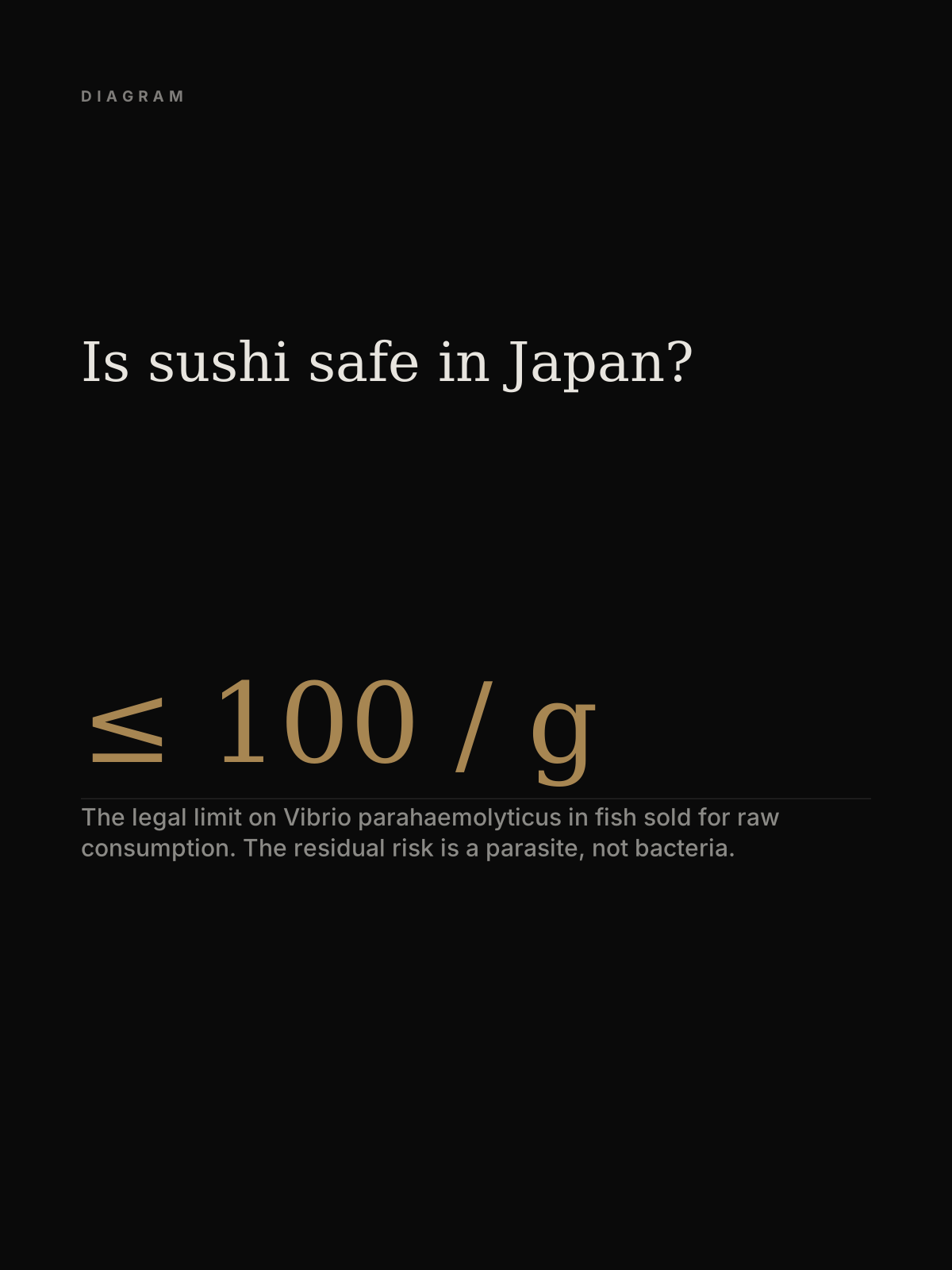
Sushi Journal publishes under one editorial byline rather than individual names — see the editorial desk. The diagrams are drawn by the desk from the figures cited in the article — how we handle images.
Last updated: