東京
Tokyo's sushi rests on a single technique: Edomae, the centuries-old method of curing, aging and hand-pressing fish over vinegared rice. Ginza holds the city's densest concentration of serious counters; Toyosu Market supplies the fish before dawn; and Tsukiji's outer market remains the place where that supply chain becomes visible, edible, and walkable. Understand those three, and Tokyo's sushi makes sense.
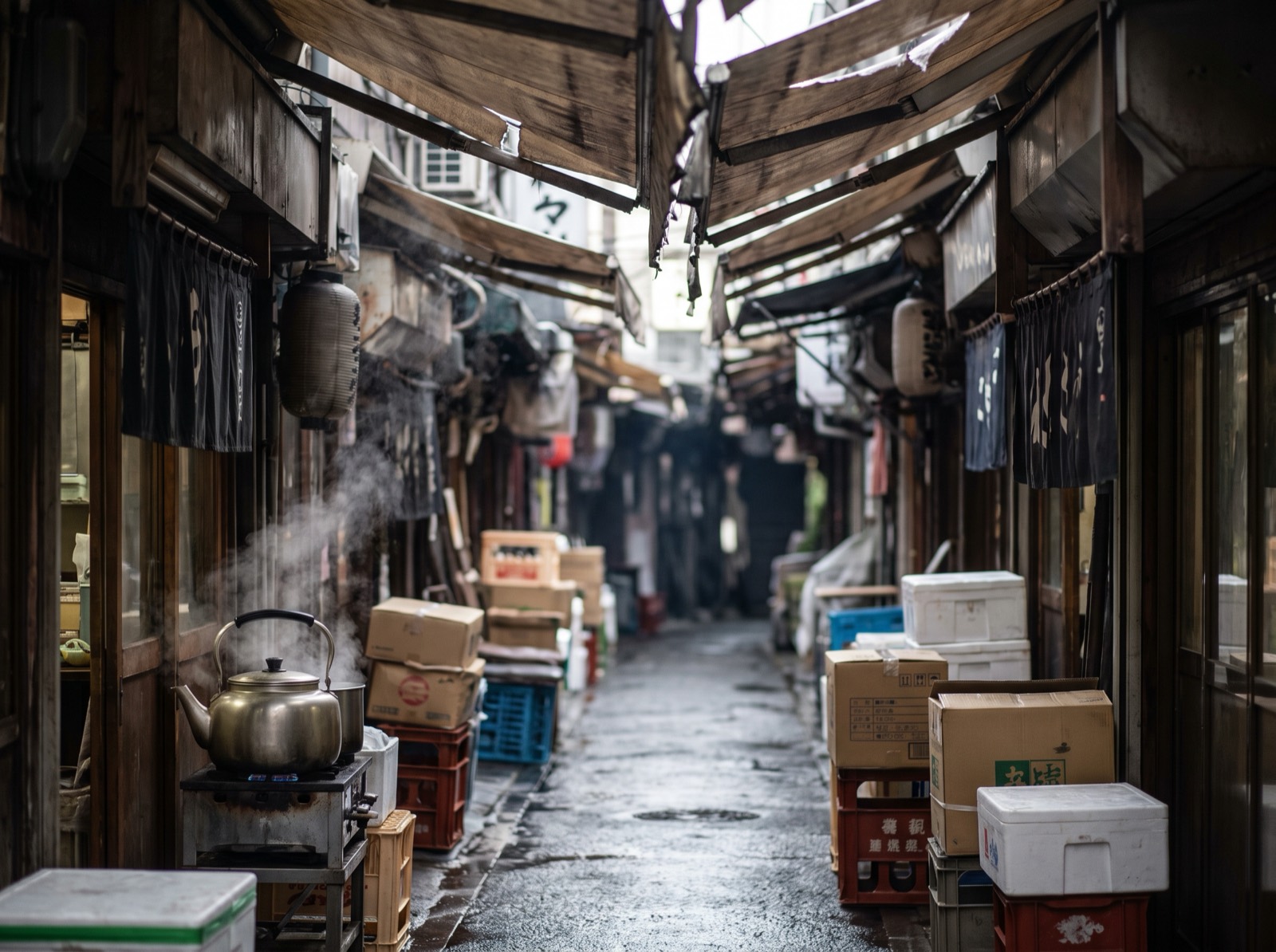
The wholesale auctions moved in 2018. The shopping street did not, and it remains the best place to spend a morning exploring Japanese seafood.
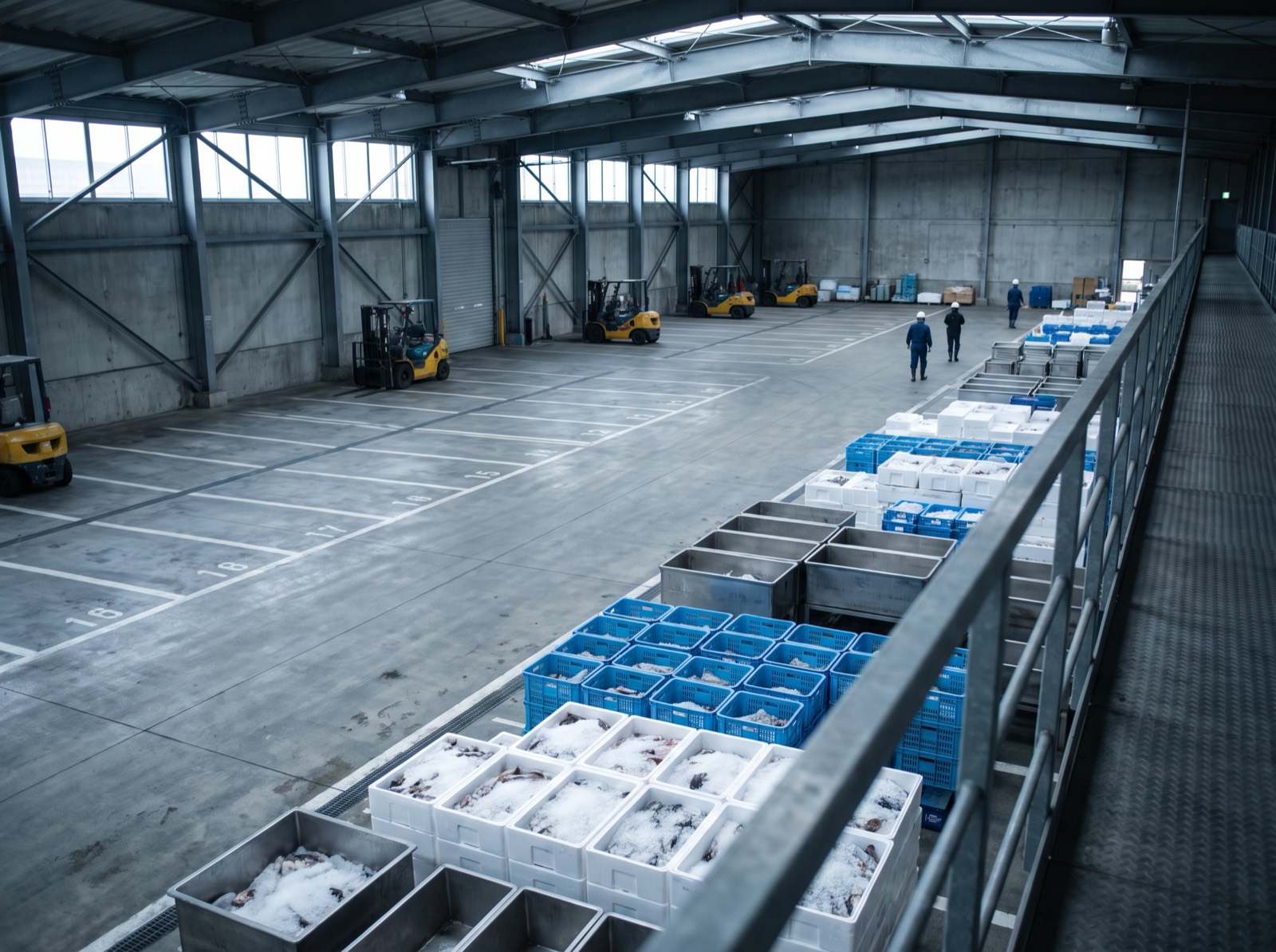
It is a functioning wholesale facility with a visitor route built into it — not a market street. That distinction decides whether the trip is worth your morning.
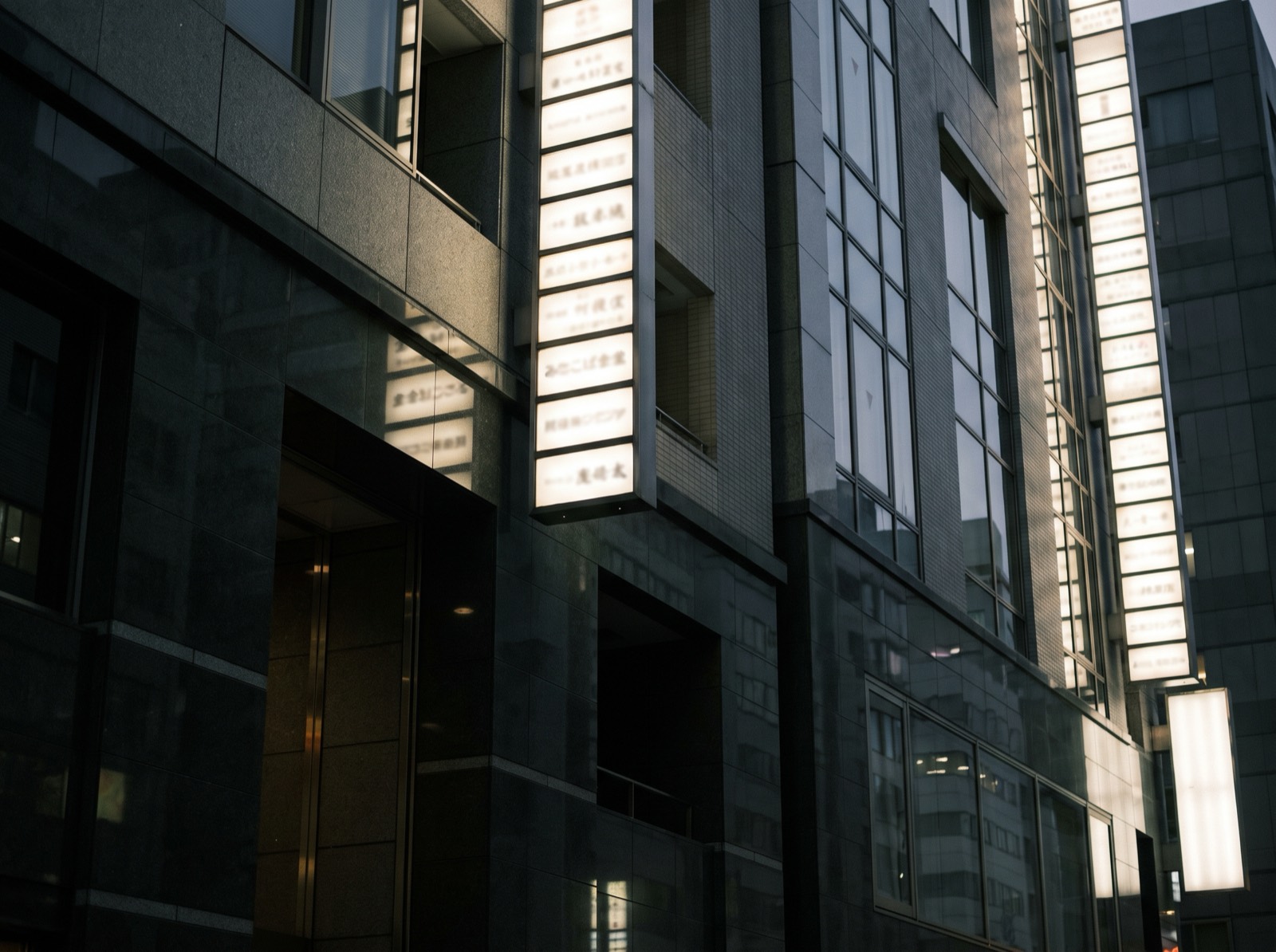
The district is a real answer to the question of where to eat, and also the most expensive way to arrive at it. Both of those are worth understanding before you book.
Six kinds of room, not six addresses. Sushi Journal does not publish individual shop names, so what follows is the shape of each format — how you get in, what it costs, how long you sit — which is the part that transfers to whichever counter you end up at.
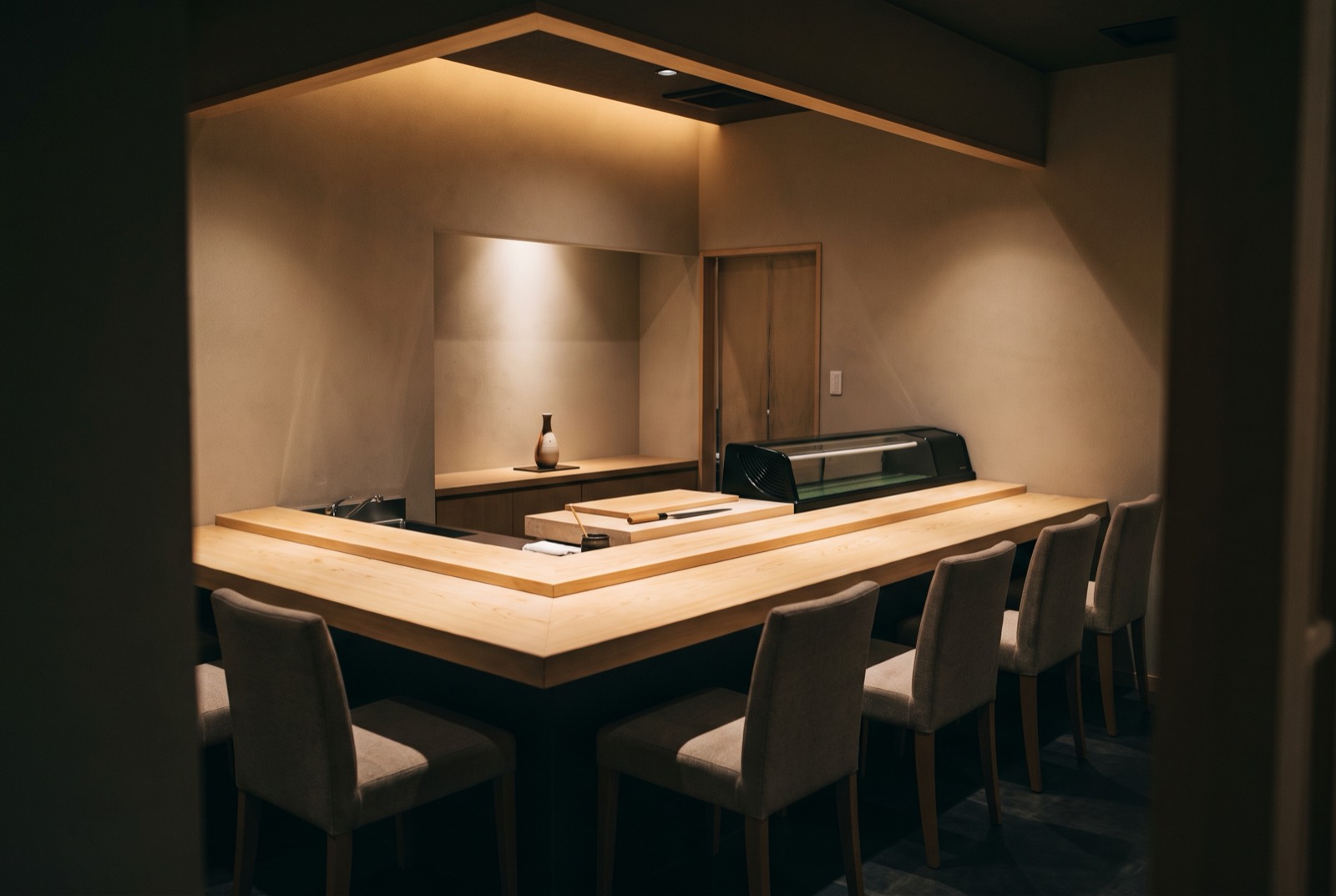
Eight to twelve seats, one chef, no menu. You are served in the order the chef decides and you finish when he stops. Most of these rooms take bookings a month ahead, many only by phone or through a hotel concierge, and a few only from returning guests. Expect to be seated for two hours.
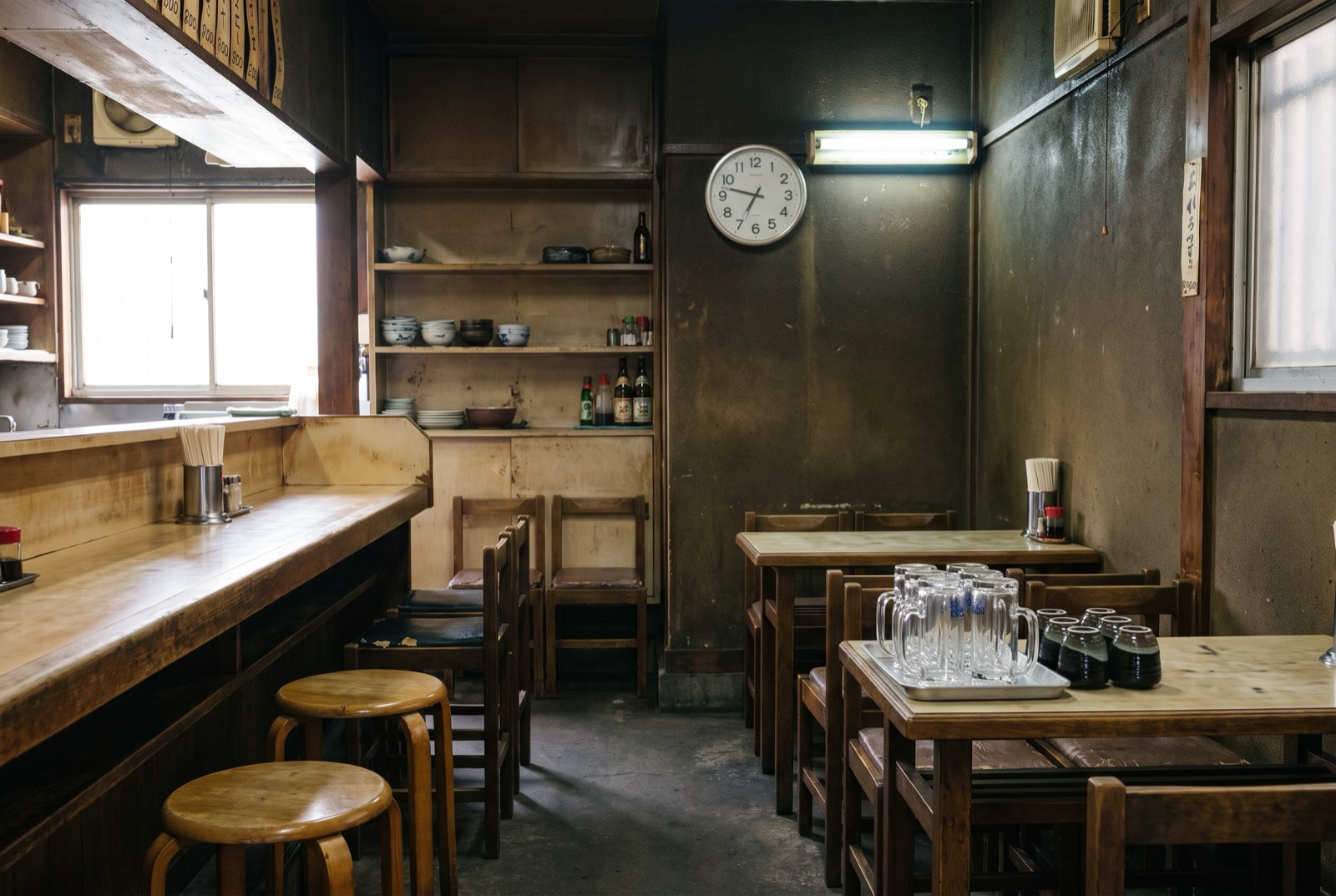
The everyday version, and the one most Tokyo residents actually eat. You order by the piece or take a set, beer and tea are normal, and nobody minds if you leave in forty minutes. The fish comes from the same market as the expensive rooms; the difference is time and cut, not honesty.
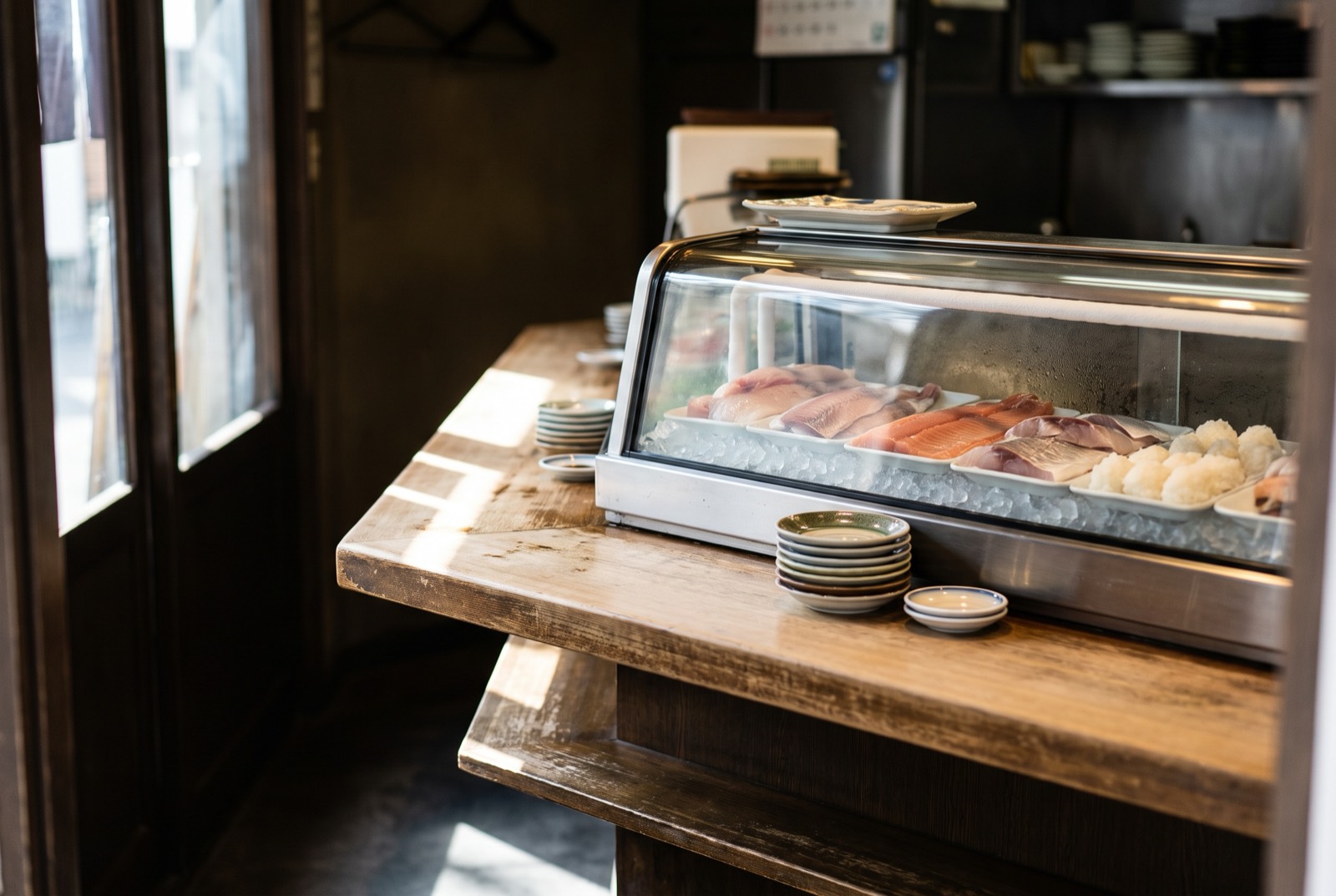
You stand at a waist-high counter and order two or three pieces at a time, priced individually on a board. It is fast, cheap by Tokyo standards, and the least intimidating way to practise ordering — nobody expects a conversation, and leaving after ten minutes is the point.
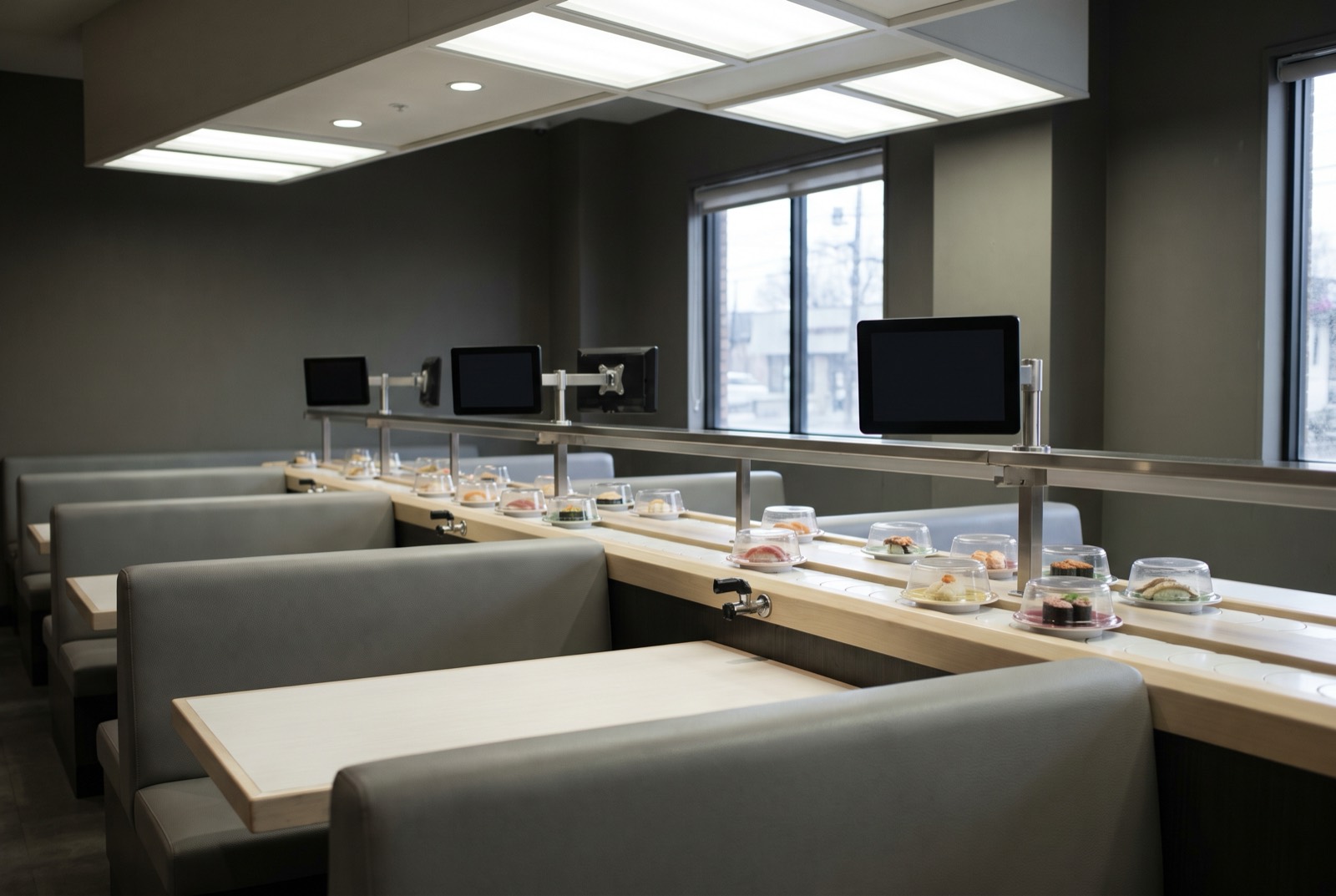
Touchscreen ordering, plates by colour-coded price, and food that arrives on a belt or a small train. Chains differ enormously in quality. It is the one format where photographing your food, feeding children and paying by card are all uncontroversial.
Sushi counters inside hotels and the restaurant floors of department stores. Menus and staff are usually available in English, booking can be done online, and lunch is markedly cheaper than dinner. The trade-off is a room with less character than a standalone shop.
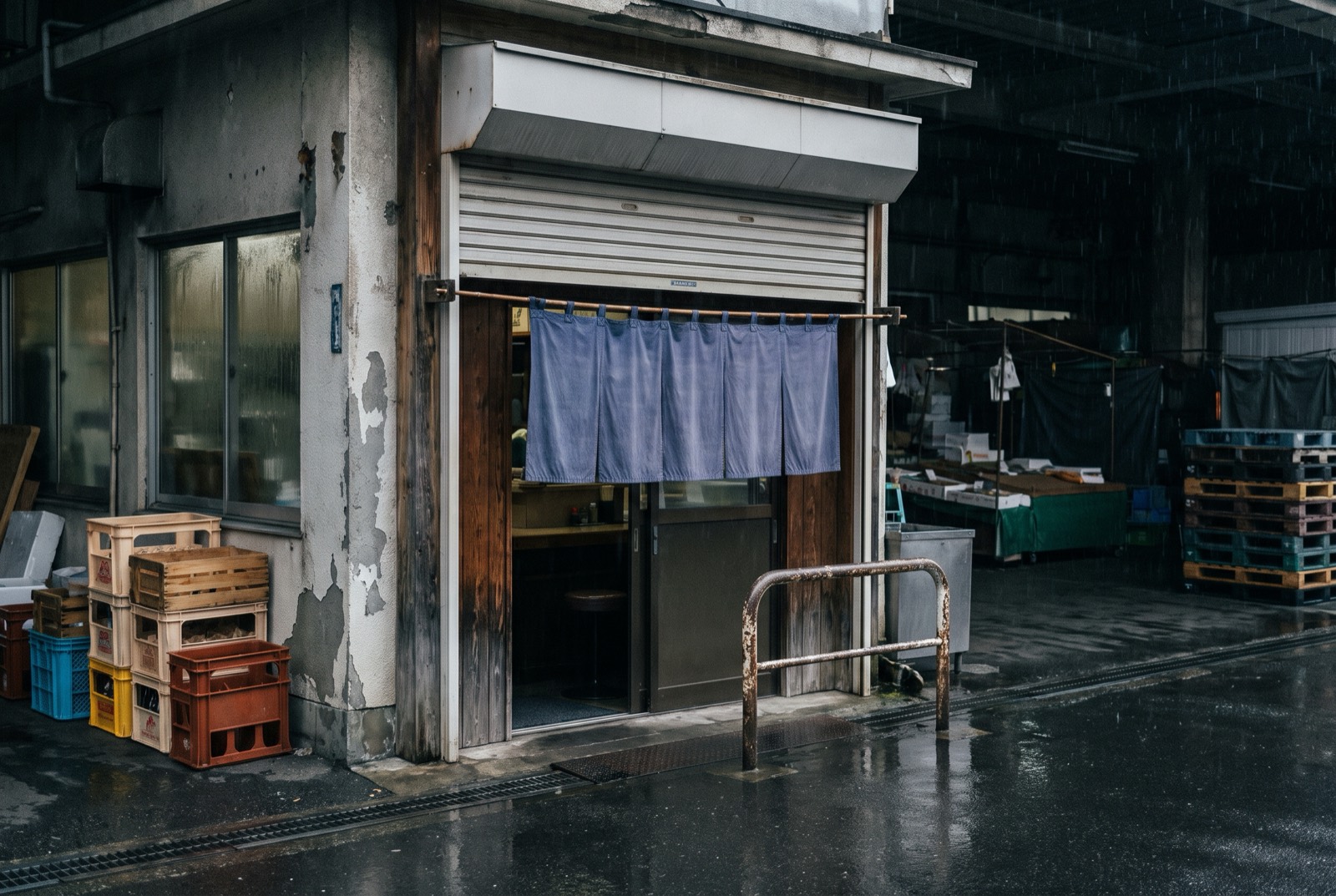
The small shops attached to the markets, open from early morning, often sold out by early afternoon. Queues form before opening and are part of the experience. Breakfast sushi is a genuine Tokyo habit rather than a tourist invention.
Tokyo's densest concentration of top-tier counters, most requiring introduction or advance booking.
Where the fish arrives before dawn — the wholesale market that replaced Tsukiji's inner market in 2018.
The outer market that stayed behind — a walkable arcade of knife shops, dried goods, and stand-up counters.
The telephone box on the two systems Tokyo sushi runs on holds 244 countries and merely defaults to Japan. What stops visitors is a card, a cancellation clock, a hidden fee — and a link the restaurant never shows you.
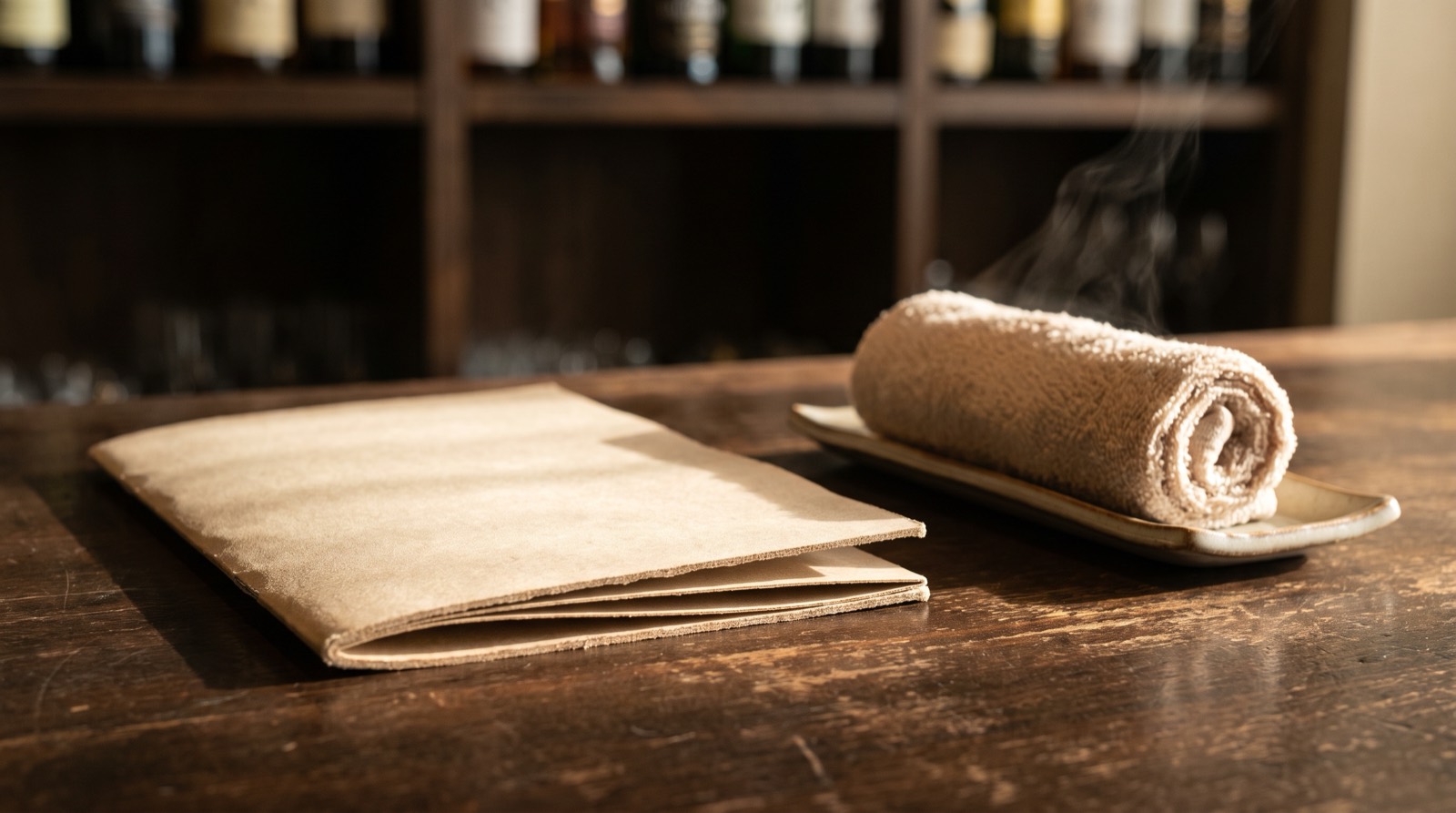
The question everybody asks is whether there is an English menu. We opened five of them, then opened the Japanese versions underneath. The menu was never where the fish was named — but a ¥4,100 course difference, a ten per cent discount and the word dashi all went missing in translation.
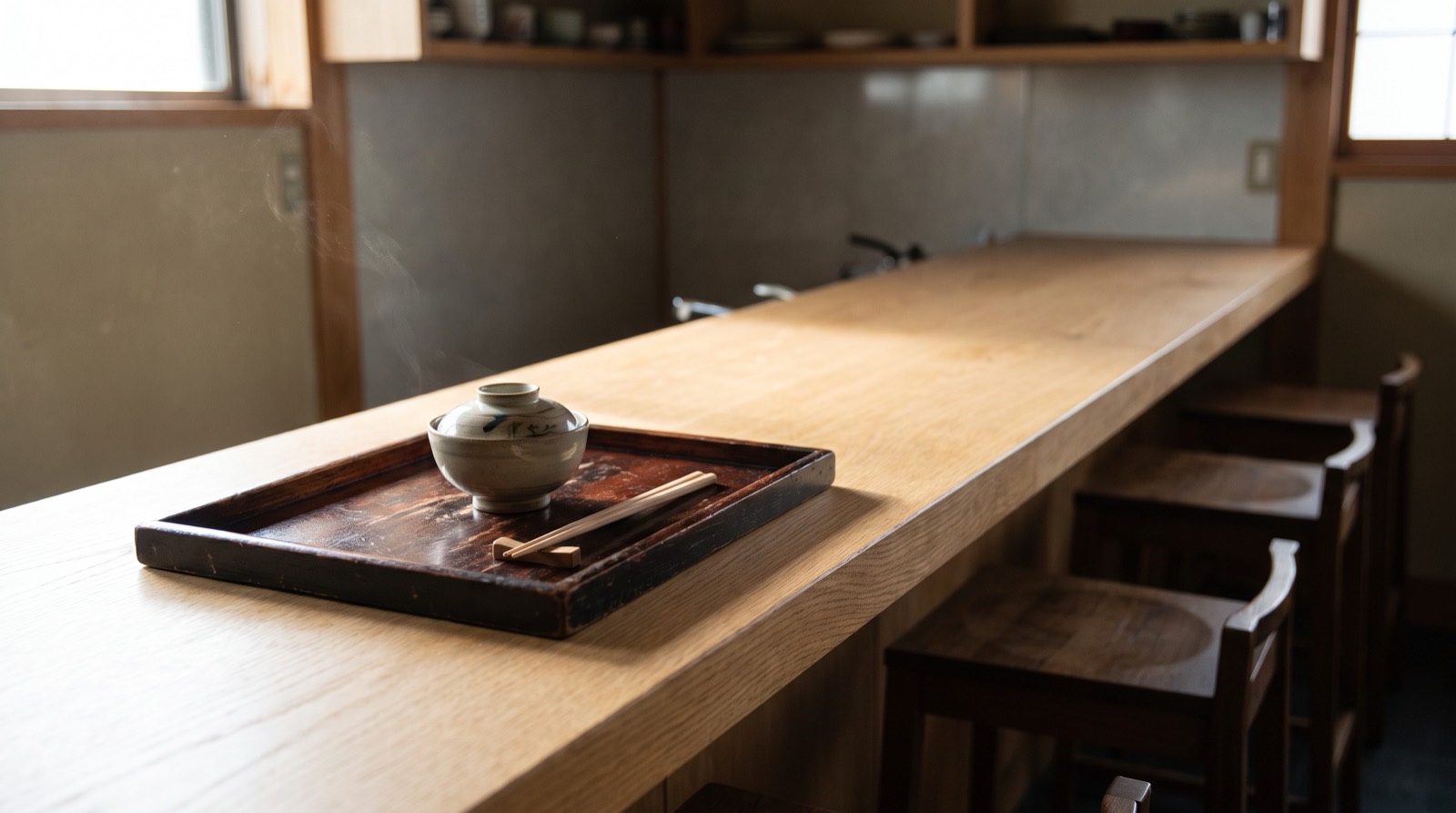
Not a ranking, and not a review of meals. Five Tokyo counters, and the lunch price each shop is willing to print on a page it controls — read against what is said about it everywhere else.
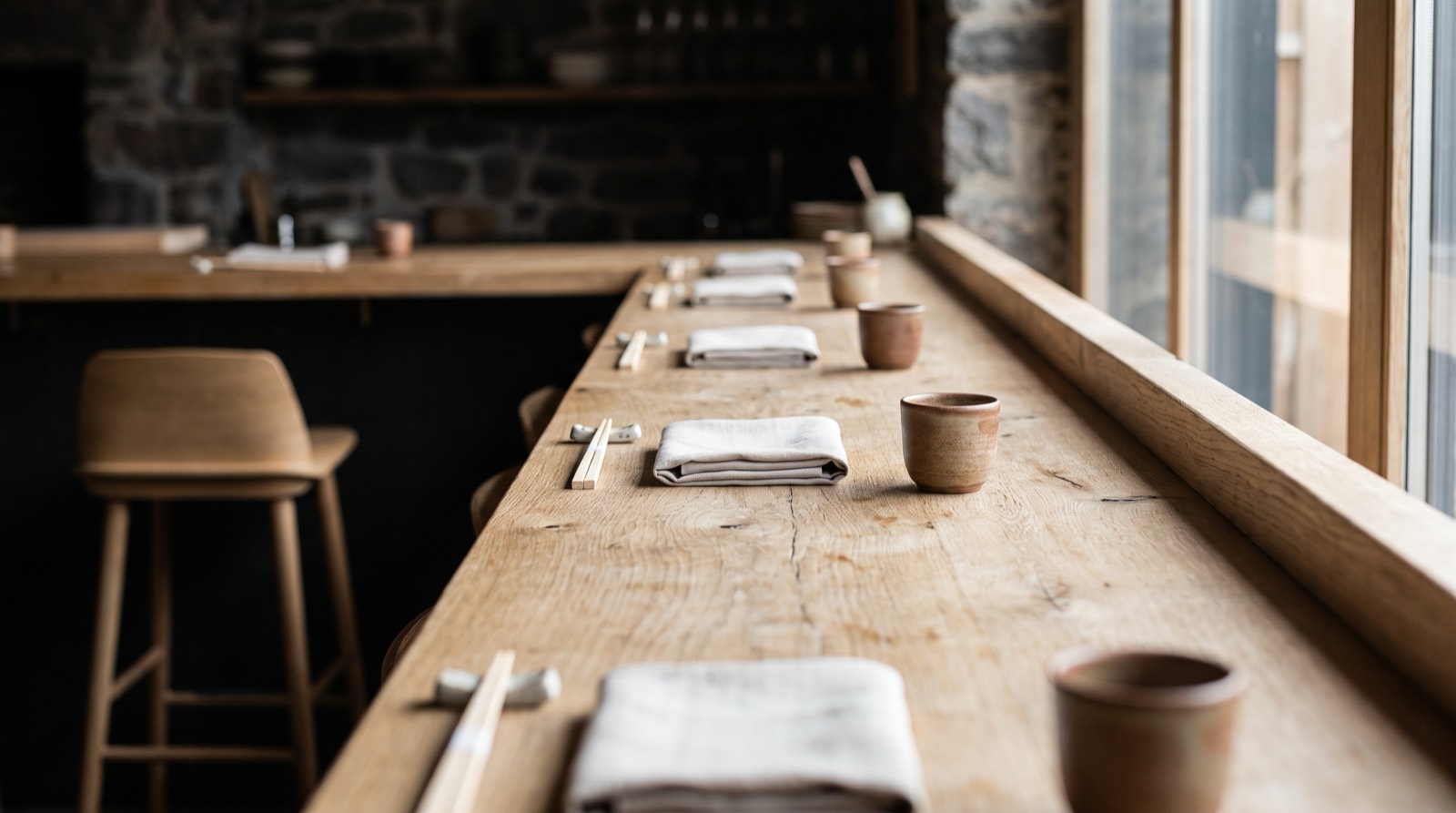
Almost nothing in Tokyo turns a single diner away. What turns a single diner away is a mechanism — and the mechanism is published, if you know which line to read.
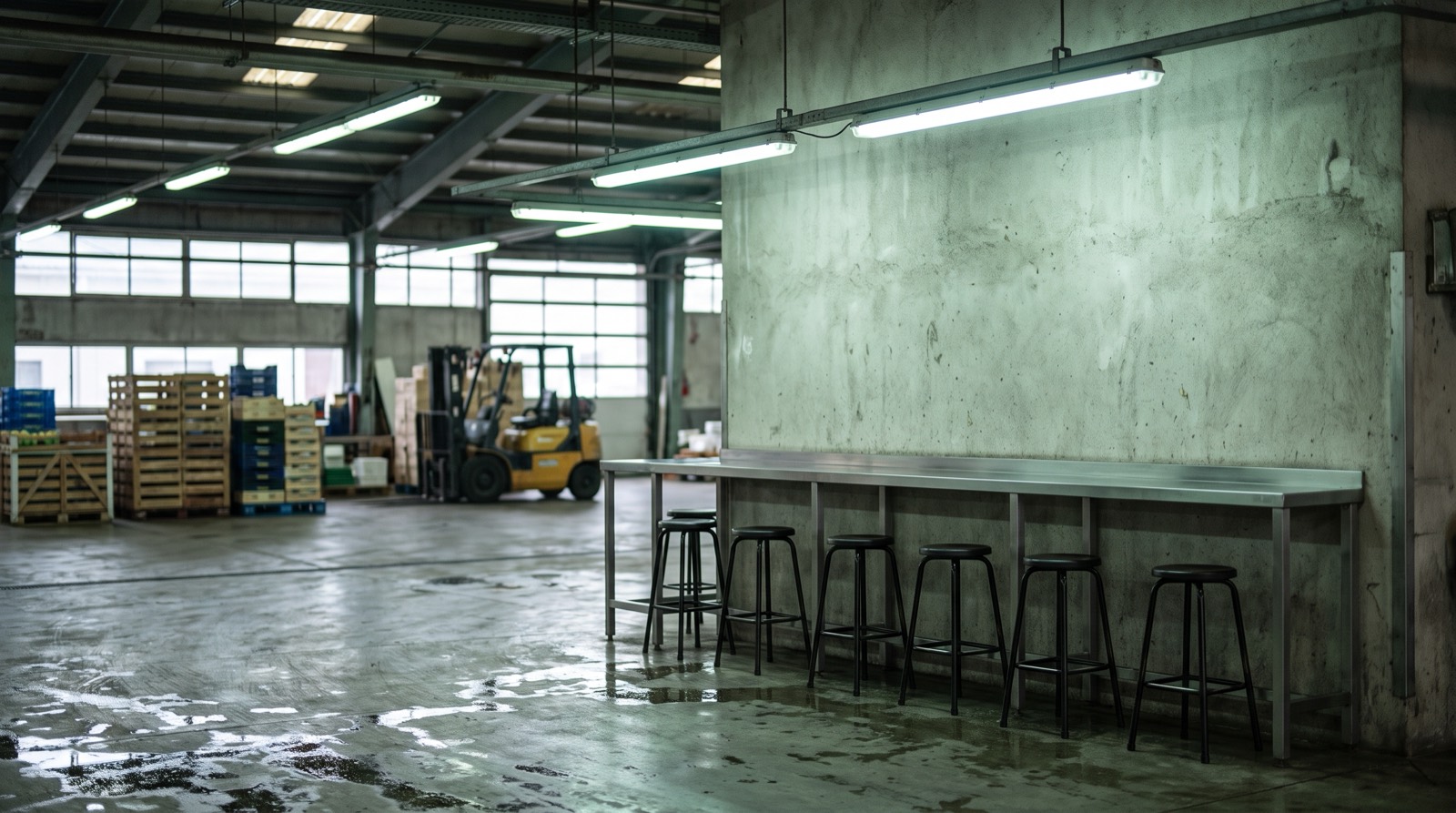
Not a ranking, and not a review of meals. Four counters inside a working wholesale market and one that never closes — and the published calendar that decides, before any of them, whether you eat at all.
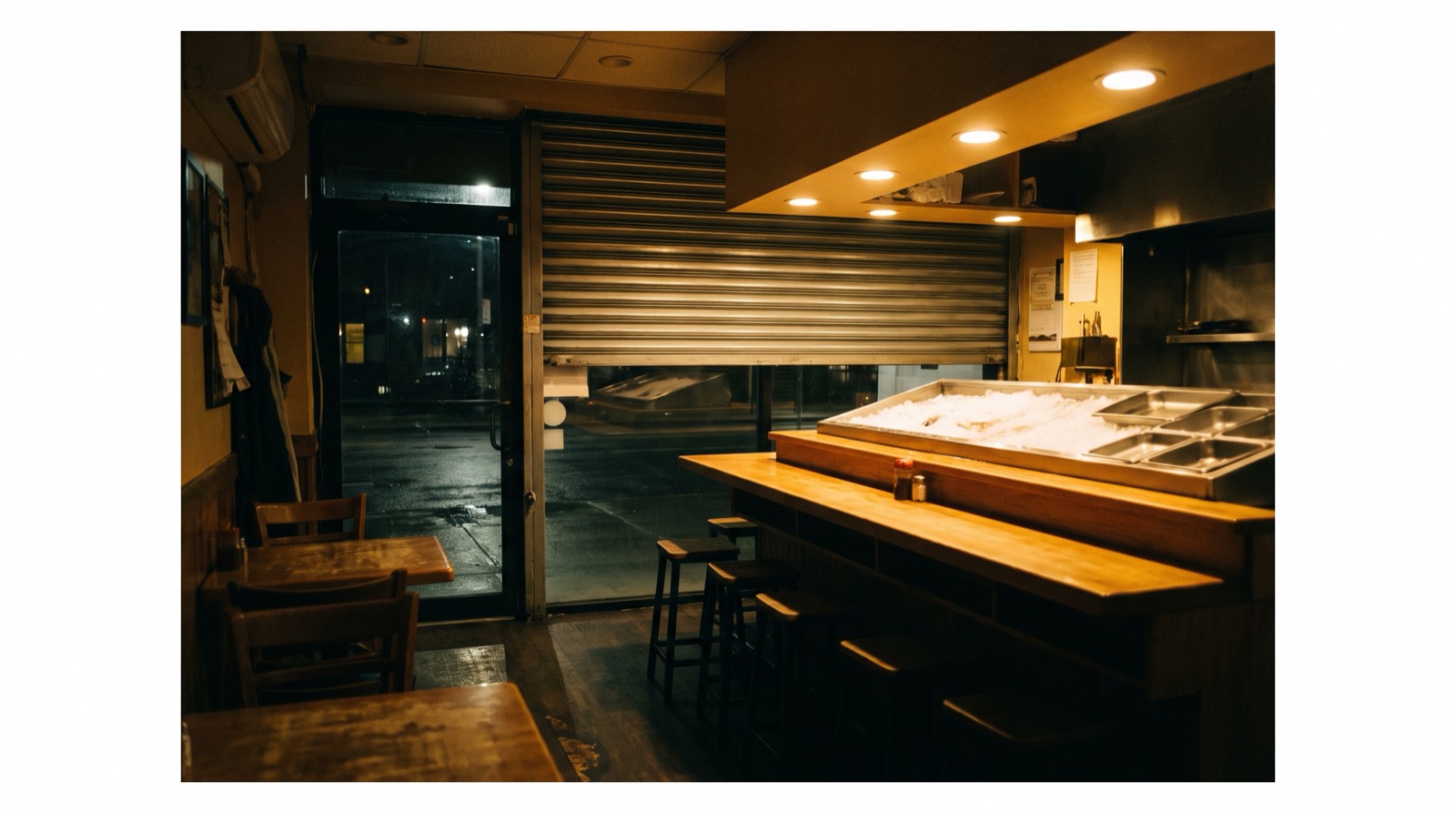
Everyone asks how late it is open, and gets one number back. On the pages we read there were three — when the shop closes, when the kitchen stops, when the door stops — and a full hour between the first and the last. At one address in Hiroo, the ground floor closes two hours after the first floor above it.
Not a ranking. Five counters in one district, arranged by the thing that actually decides whether you eat at them — how the reservation is taken.
Not a ranking. Five counters in one district, arranged by how much of the price is knowable in advance — and by what happens when a shop's own pages disagree with each other.
Not a ranking. Five counters in one district, arranged by how much of describing itself each shop has given away — to a landlord, to a listing system, to a booking service, to a messaging app.
Not a ranking. Five counters in one district, arranged by how much their pages tell you about their own age — because a price with no date on it is not wrong, it is unverifiable.
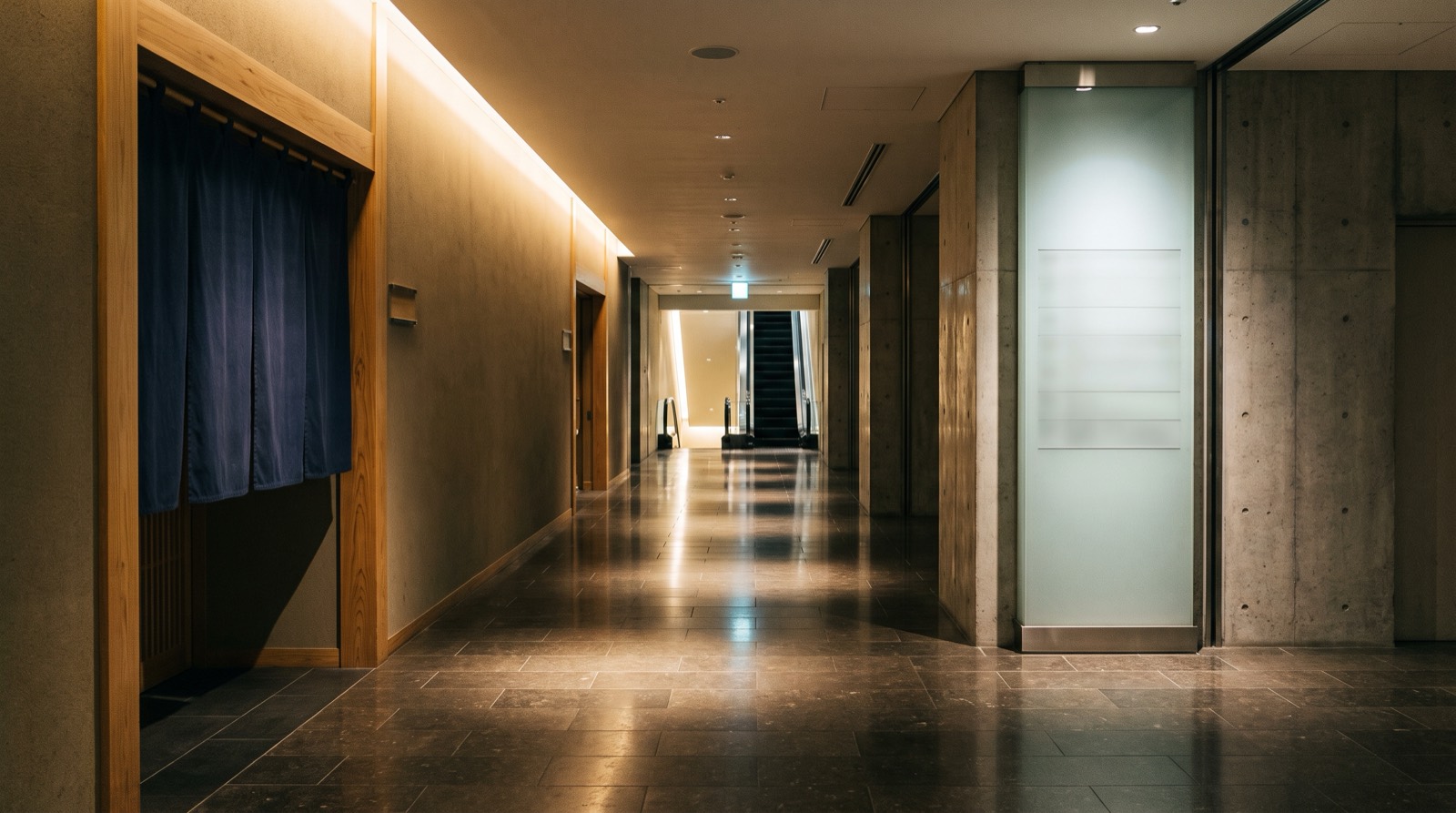
Not a ranking. Five counters in one district, arranged by how far the shop’s page and the building’s page have drifted apart — because in Nihonbashi the shop is rarely the only one describing it.
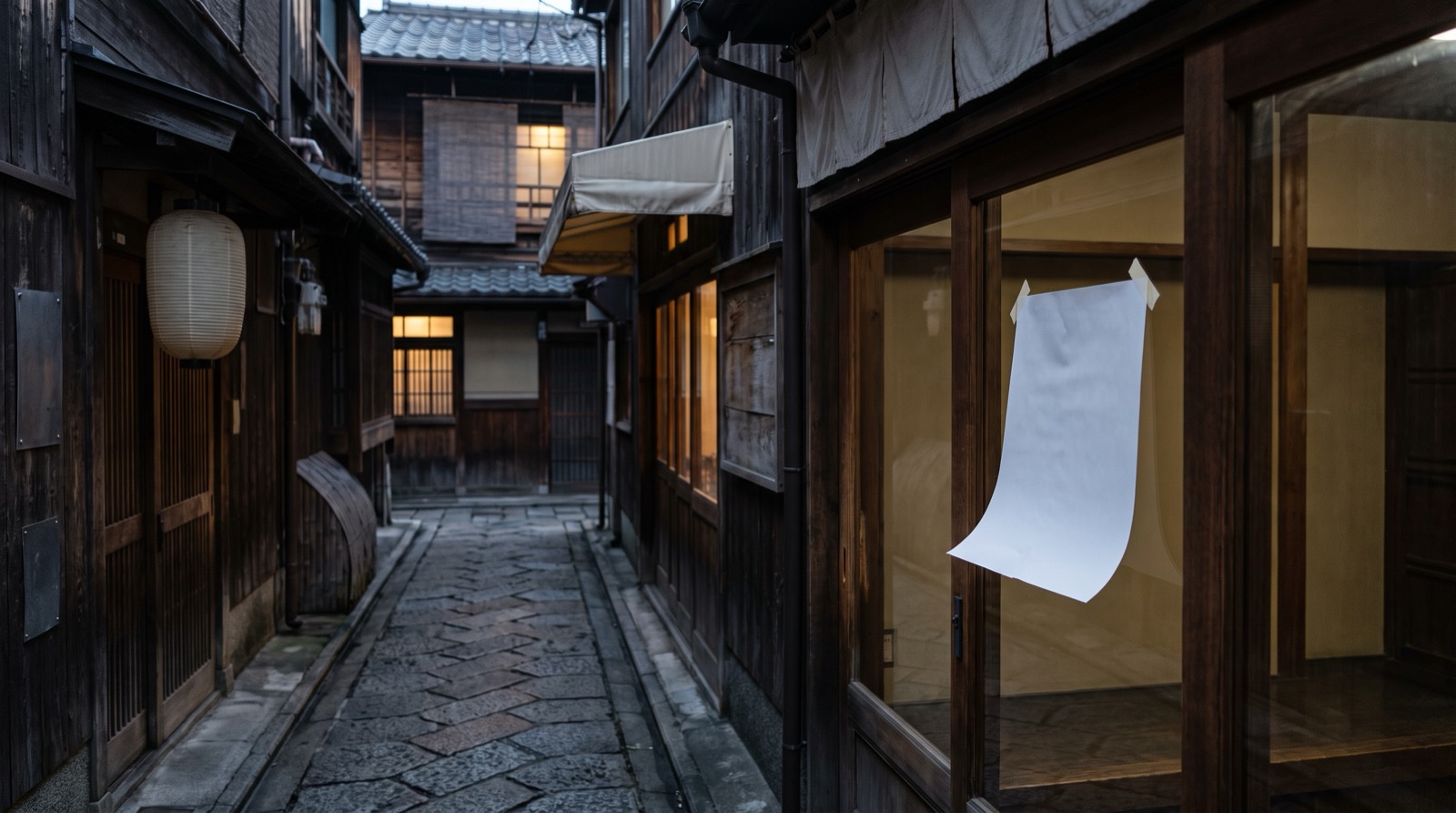
Not a ranking. Five counters in the most visited district in Tokyo, arranged by how much of what they publish a reader can actually read — from a shop whose entire English provision is five characters in a link, to one that writes its own English and still cannot get you to the one page you need.
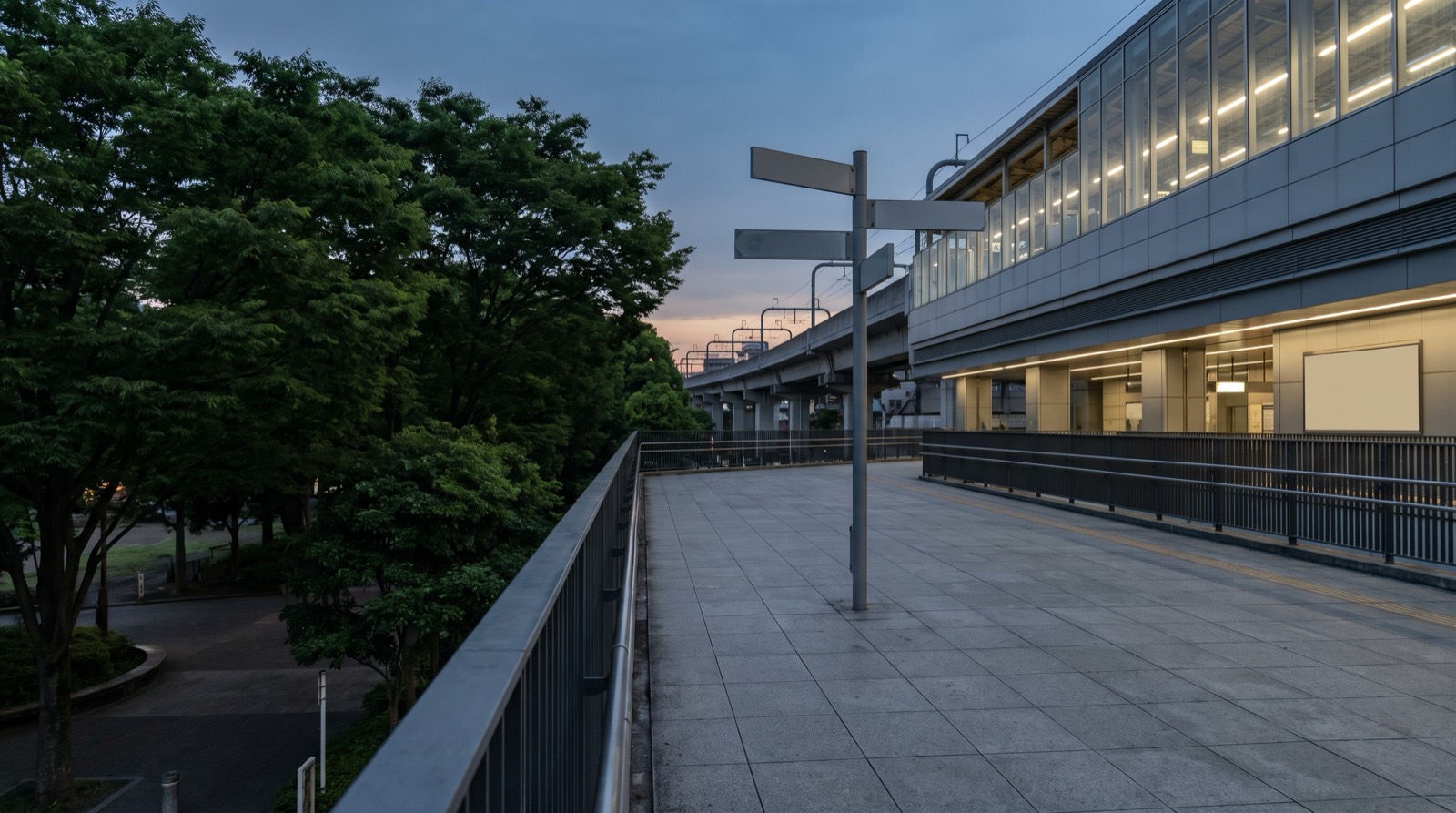
Not a ranking. Five counters arranged by the distance each one publishes from Ueno station — from a shop inside the station building that prints no walking time at all, to one that calls itself the Ueno sushi shop and tells you, in its own words, that Ueno station is fifteen minutes away.
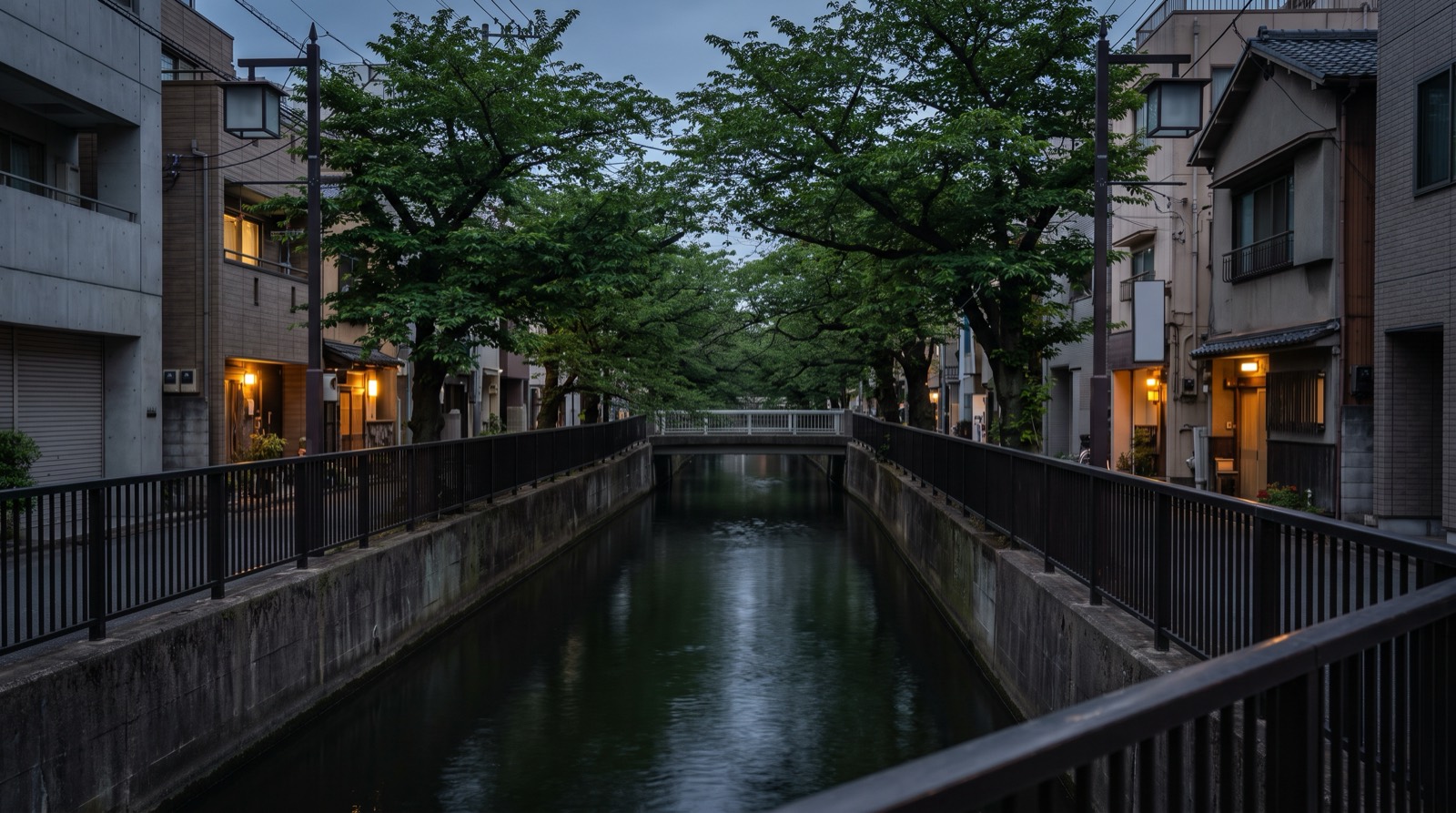
Not a ranking. Five counters arranged by how much a reservation asks of you — from a shop whose reservations page holds two telephone numbers and nothing else, to one that shows you the guests it cannot take before it will let you near a form.
Not a ranking. Five counters arranged by how much the printed number is already carrying — from a price with a tilde after it and nothing written above it, to a shop that prints its cancellation percentages and its invoice registration number in the same table as its opening hours.
Everyone searches the phrase and assumes it means a short list of very expensive counters. In Tokyo it means fifty-seven restaurants, half of them with no award at all, and pages that tell you to contact the restaurant without giving you a way to do it.
A star is a reliable signal about one narrow thing. Most visitors use it as a signal about something else, and are disappointed for reasons that have nothing to do with the food.
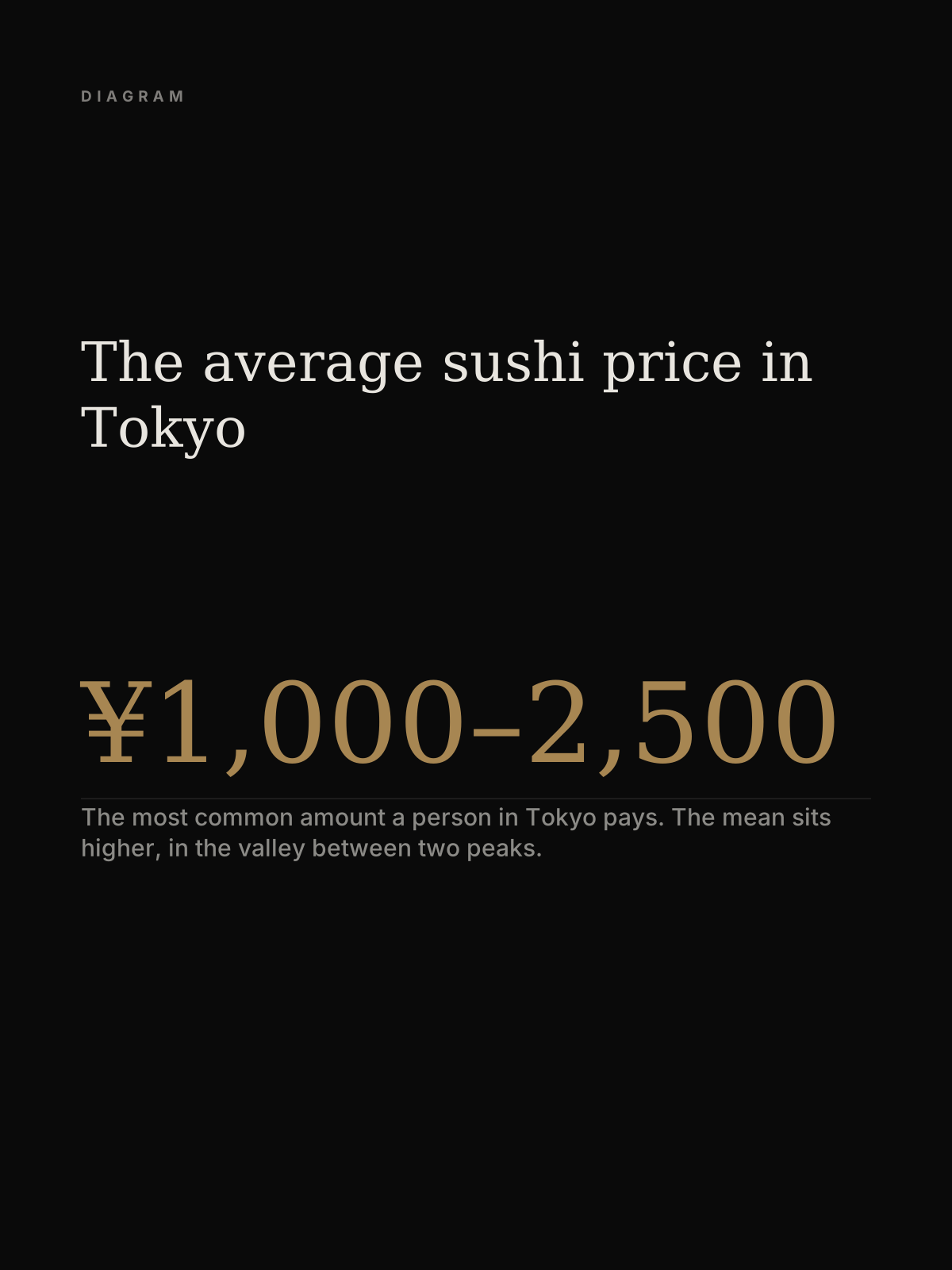
The question has an answer, but it is not a single number. A mean drawn across conveyor belts and counters describes no meal that anyone eats.
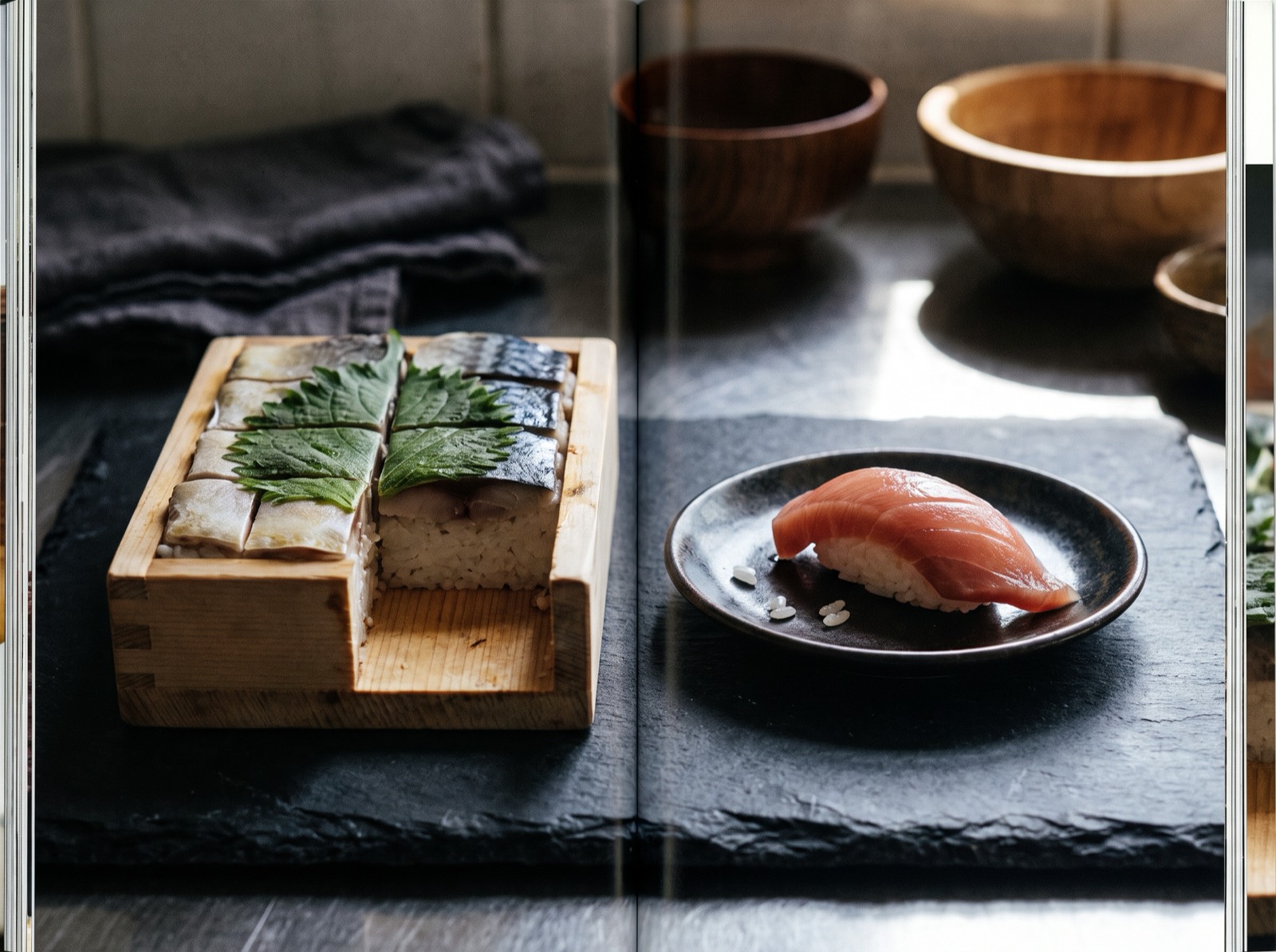
English writing treats Tokyo's style as sushi and everything else as a variant. Osaka got there first, and its answer is still the better one for some fish.