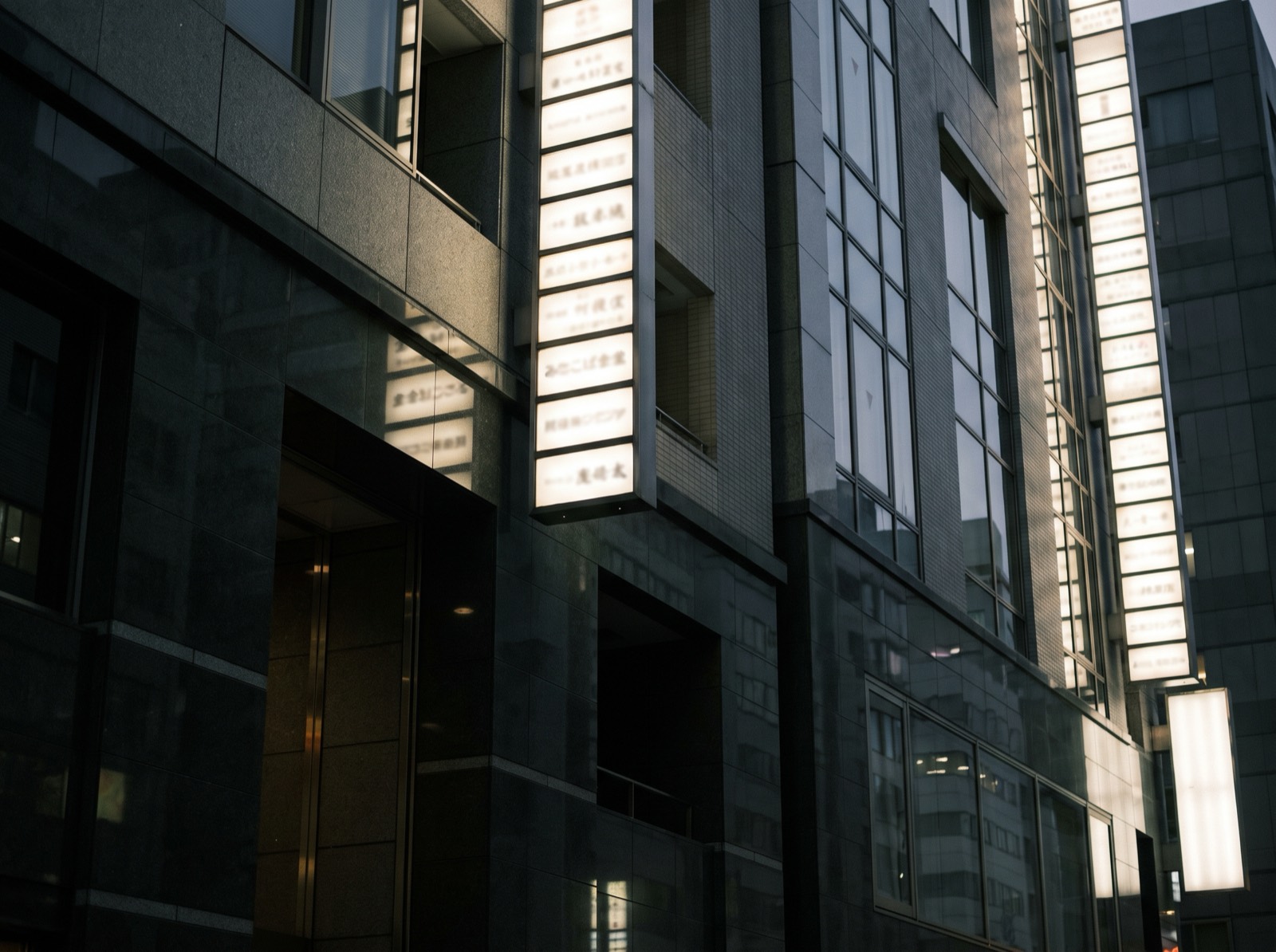
Ginza has the densest concentration of expensive sushi counters anywhere in Japan. That is a fact about property, entertaining budgets and a century of habit rather than about fish: the same wholesale markets supply the whole city. Understanding what the district is charging for is the difference between paying it knowingly and paying it by accident.
Why the counters are here
Three forces stacked in the same square kilometre.
- Corporate entertaining. For most of the postwar period, the expense-account dinner was a fixture of Japanese business, and Ginza was where it happened. A district full of small, discreet, expensive rooms is what that demand builds.
- Small footprints, high floors. Ginza's buildings are narrow and tall, and a sushi counter needs eight to twelve seats and almost no floor area. A form of restaurant that fits on the sixth floor of a narrow building is a form that can survive Ginza rents.
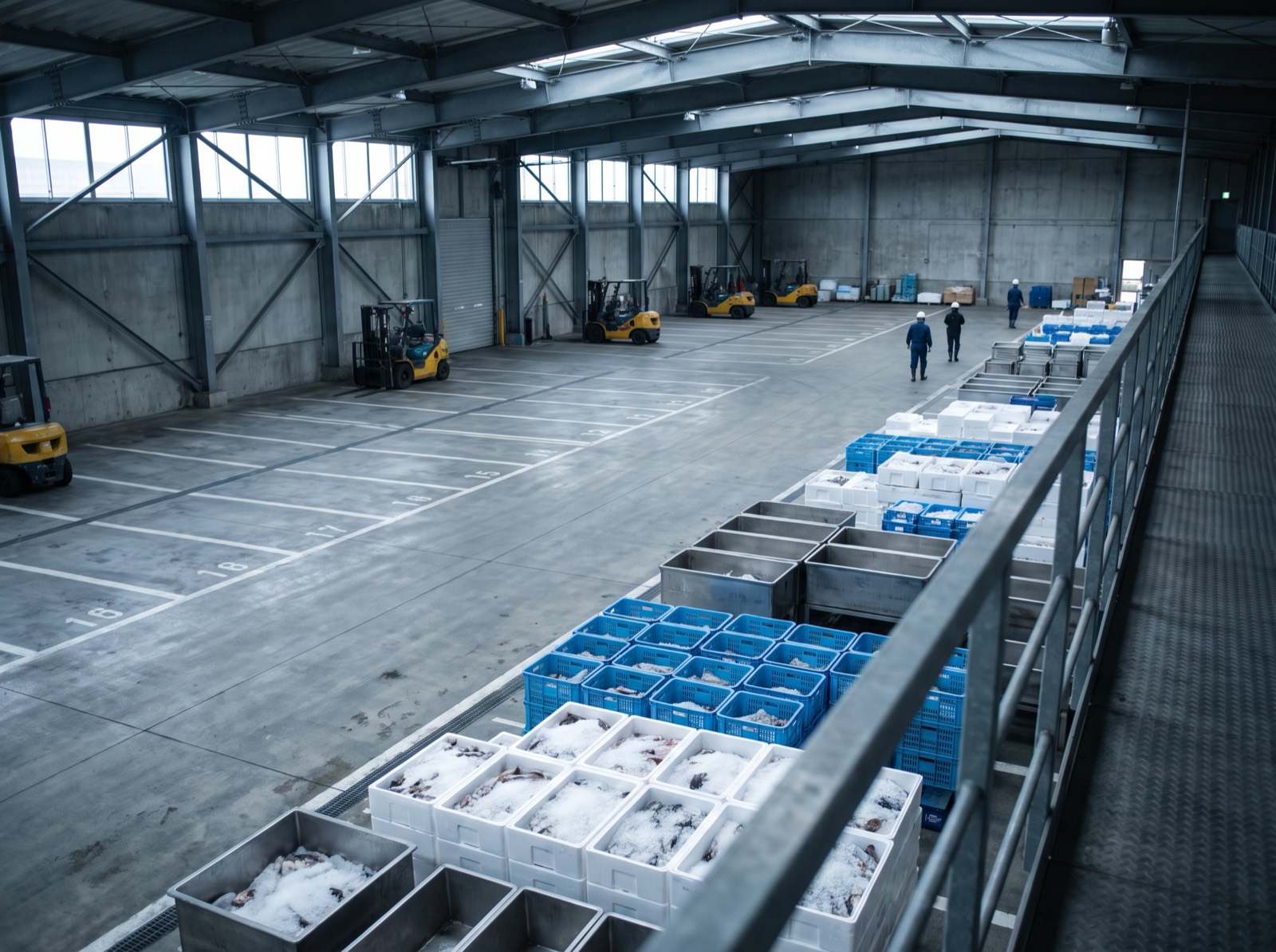
- Proximity to the market. Tsukiji was a short drive away for eighty-three years, and Toyosu is not much further. That mattered enormously before refrigerated logistics were good, and it set the pattern that later shops inherited.
The result is a district where a single building can hold several counters, most of them invisible from the street: no window, no display, a name plate in the lift lobby and a door on the fifth floor.
The fish is not better in Ginza. The rent is higher, the room is quieter, and the chef is cooking for fewer people at a time.
What the price actually pays for
This is the part visitors most often get wrong. A ¥30,000 Ginza counter is not buying meaningfully better tuna than a ¥15,000 counter two districts away. It is buying:
- Fewer covers. Eight seats, one or two sittings, one chef. Every fixed cost divides across a small number of meals.
- More preparation per piece. Longer cures, more aged fish, more items that took a day of work before service began. This is the one input that genuinely changes the food.
- The rent. Ginza commercial rent is among the highest in Japan, and it is in every piece you eat.
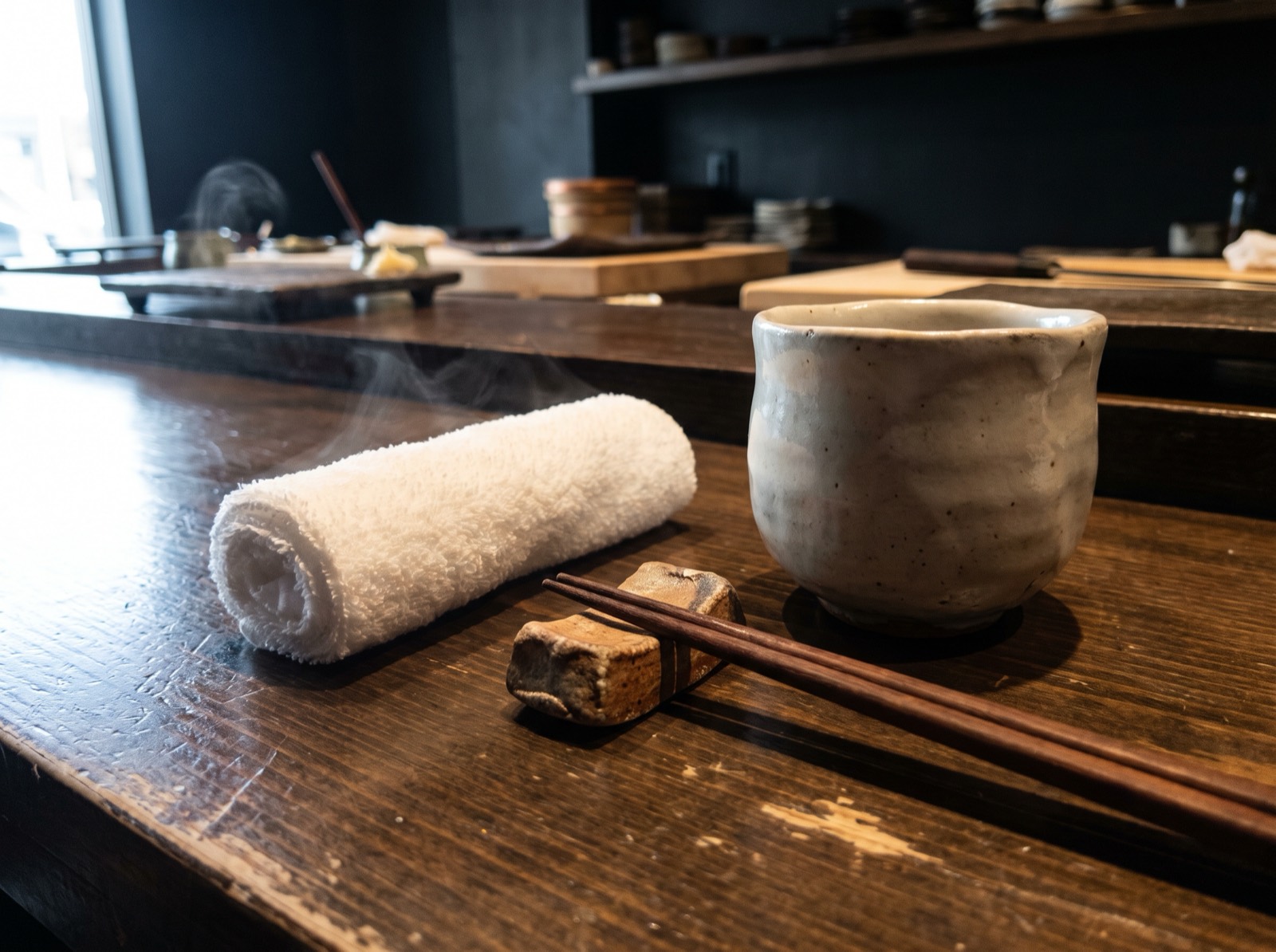
- Silence and space. A quiet room with eight people in it is a product, and a considerable fraction of the bill.
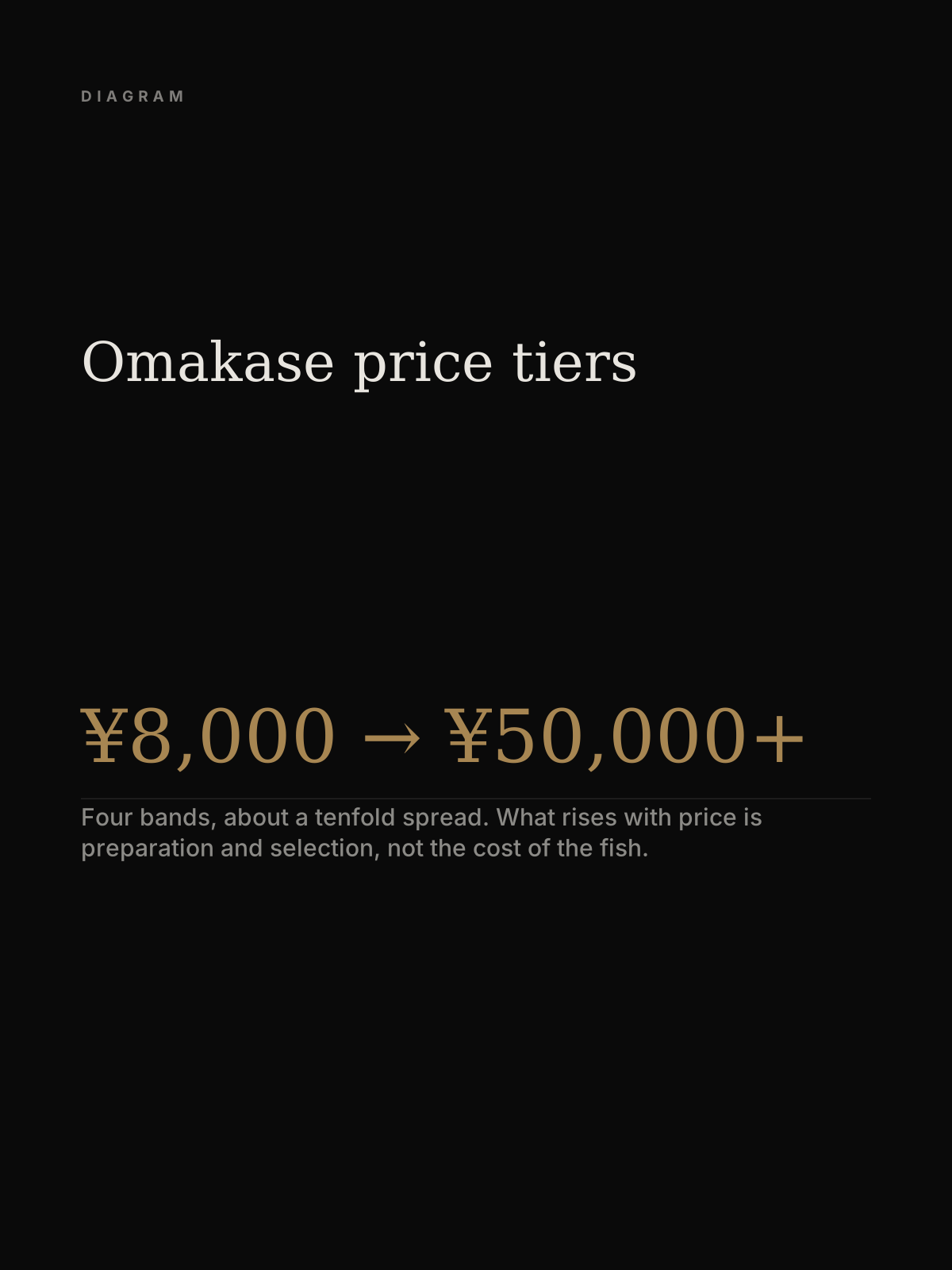
Our price tiers guide sets out what each band buys in detail, and average sushi prices in Tokyo explains why a single average figure for the city describes no real meal. The bands quoted on this page are our own market observation as of July 2026 rather than a published statistic.
When Ginza is the wrong answer
Often, for a first visit. Three situations where the district works against you:
- You have one sushi meal in your trip and want to enjoy it. The highest band is the least forgiving: silent rooms, fast service, an assumed familiarity with the form. A comfortable ¥15,000 counter elsewhere is a better first counter than an uncomfortable ¥40,000 one here.
- You want to talk to the chef. Some of the most expensive rooms in Ginza are also the most formal, and conversation is not part of the offer. Smaller neighbourhood counters are frequently the opposite.
- You are booking three days out. The top of the district books weeks to months ahead. What is left at short notice is not the reason people come to Ginza.
The counter-argument, and it is a real one: Ginza lunch. Several of the district's counters serve a shorter course at lunch out of the same kitchen, at a fraction of the evening price, in a room that is fuller and less severe. It is the single best-value way to experience what the district does.
The lunch argument, in full
It deserves more than a sentence, because it is the one piece of advice in this article that changes what a trip can contain. Several Ginza counters serve a shorter course at lunch out of the same kitchen, with the same chef, at a fraction of the evening price. The piece count is lower and the opening dishes are usually trimmed or dropped. What you lose is the length of the meal and some of the ceremony. What you keep is the rice, the cures and the hands, which is most of what you came for.
The Japanese literature treats this as a method rather than a bargain. Eat lunch at a shop before you commit to its dinner: you learn the price level, the room, the pace and whether the chef is someone you want to spend two hours in front of, for the cost of a decent meal rather than a serious one. If the answer is yes, book dinner knowing what you are buying. If it is no, you have lost an afternoon and not a month’s dining budget. In a district where the evening band starts where most people’s ceiling ends, that is the most useful thing you can do with a Ginza afternoon.
The geography, precisely
Ginza is small, walkable end to end in fifteen minutes, and its sushi does not stop at the district boundary. Two adjoining areas matter:
- Yurakucho, immediately north-west, which runs cheaper and rowdier, with counters mixed into the railway arches and the drinking streets.
- Shimbashi, immediately south, historically the salaryman's district, where the same style of counter operates at lower prices for a domestic clientele.
Walking ten minutes in either direction from central Ginza changes the price band substantially without changing the style of food.
Booking
Assume the top band requires a reservation made weeks ahead, that some shops take bookings only by telephone in Japanese, and that a few take them only through an existing customer. That last practice is real and is not directed at foreign visitors specifically; it is how a shop with eight seats manages demand. Hotel concierges exist substantially to solve this problem, and using one is normal rather than a sign of failure.
- Phone rather than book online, for a first visit. The easiest moment to call is just after the shop opens, when someone is there and the counter is not yet busy.
- Give the number of guests and a budget. Saying “omakase, around this much” is normal practice, not a slight. If the figure does not work the shop will say so and you can decline politely.
- Say if you plan to drink, so the shop lays in food to go with it, and name the fish you want if there is one. A shop buys for the evening it expects, and a request made the day before is easy where the same request at the counter may be impossible.
- If a regular introduced you, say so when you arrive. At the shops that manage demand through existing customers, this is the mechanism, and it is not a secret handshake.
For what to do once you are seated, see omakase etiquette and how to eat sushi. For what the style itself consists of, Edomae sushi.
Frequently asked questions
Why is Ginza sushi so expensive?
Small rooms with eight to twelve seats, one or two sittings a night, extensive preparation per piece, and some of the highest commercial rents in Japan. The fish is not materially different from what the rest of Tokyo receives; the same wholesale markets supply the whole city.
Is Ginza the best place for sushi in Tokyo?
It is the densest concentration of high-end counters, which is not the same thing. For a first counter meal, a comfortable mid-band shop elsewhere in the city is often a better experience than an intimidating top-band room in Ginza.
How much does sushi cost in Ginza?
The district's counters mostly sit in the upper bands: commonly ¥20,000 and above for an evening omakase, with the top of the market well beyond that. Lunch at the same shops is frequently a fraction of the evening price.
Do I need a reservation for sushi in Ginza?
For the upper band, yes: weeks or months ahead, sometimes by telephone in Japanese only, occasionally by introduction. Hotel concierges routinely handle this and using one is normal practice.
Is Ginza lunch worth it?
It is the best-value way into the district. Several counters serve a shorter course from the same kitchen at lunch, at a fraction of the evening price and in a less formal room.
Where else in the area should I look?
Yurakucho immediately north-west and Shimbashi immediately south both run cheaper for the same style of food. Ten minutes' walk from central Ginza changes the price band substantially.