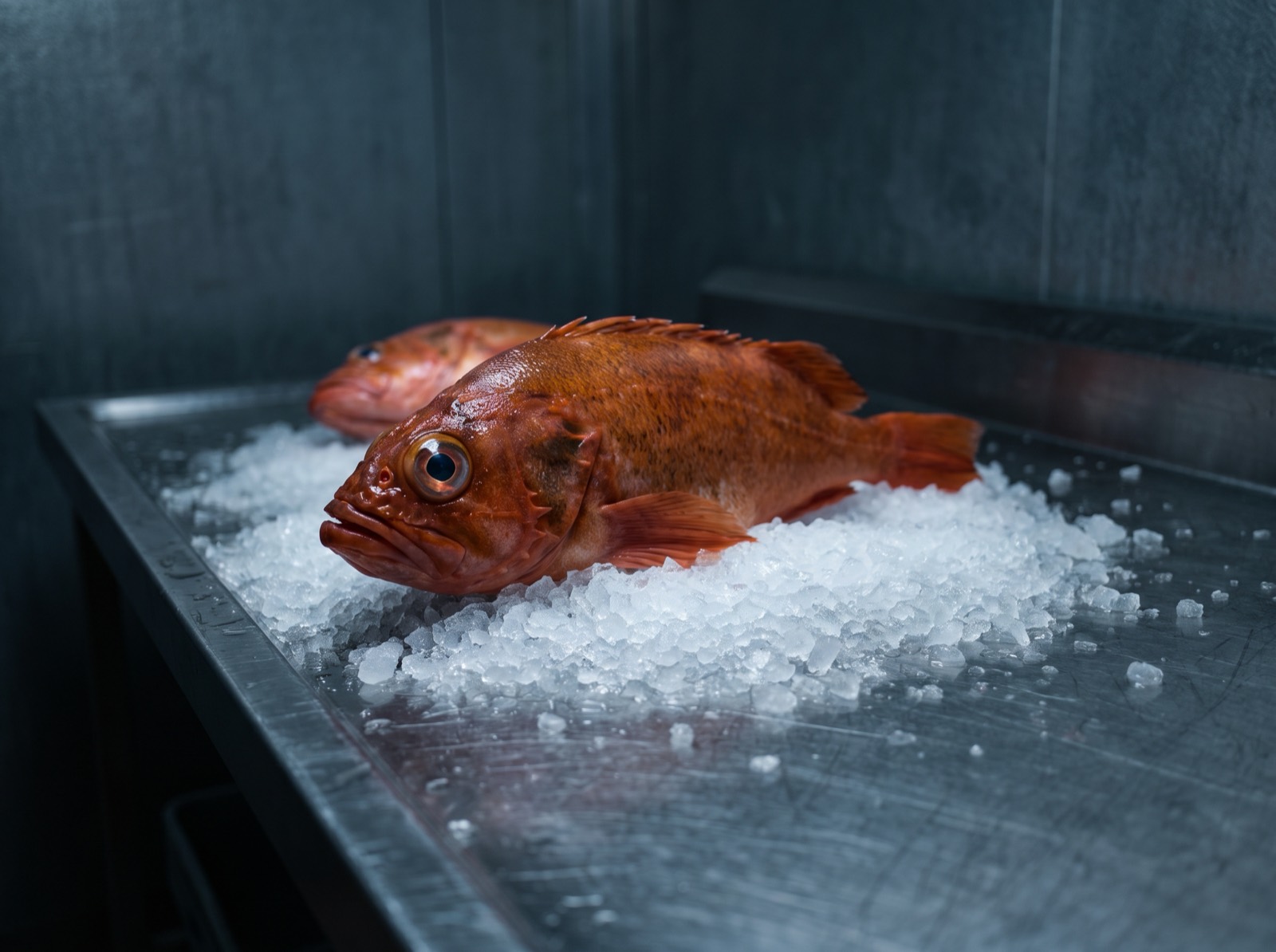
Sapporo has a word for its own sushi, and no two shops using it mean quite the same thing. Ezo-mae — from Ezo, the old name for Hokkaido, built in deliberate parallel with Edo-mae — appears on signboards, on menus and in the navigation bars of shop websites across the city. It is not a certification and there is no body behind it, so what it means in any given room is whatever the shop in that room says it means. Some of them say. That turns out to be the most useful thing about eating sushi here.
The rest follows from geography. Hokkaido lands fish that Tokyo has to buy in, and it lands them close enough that a shop can reasonably describe cutting them the same day. The counters that make something of this tend to say so in writing, with ports and seasons named. The counters that do not say anything about sourcing are not necessarily buying differently; they simply do not publish it. This guide is built on what the shops publish.
The word on the signboard
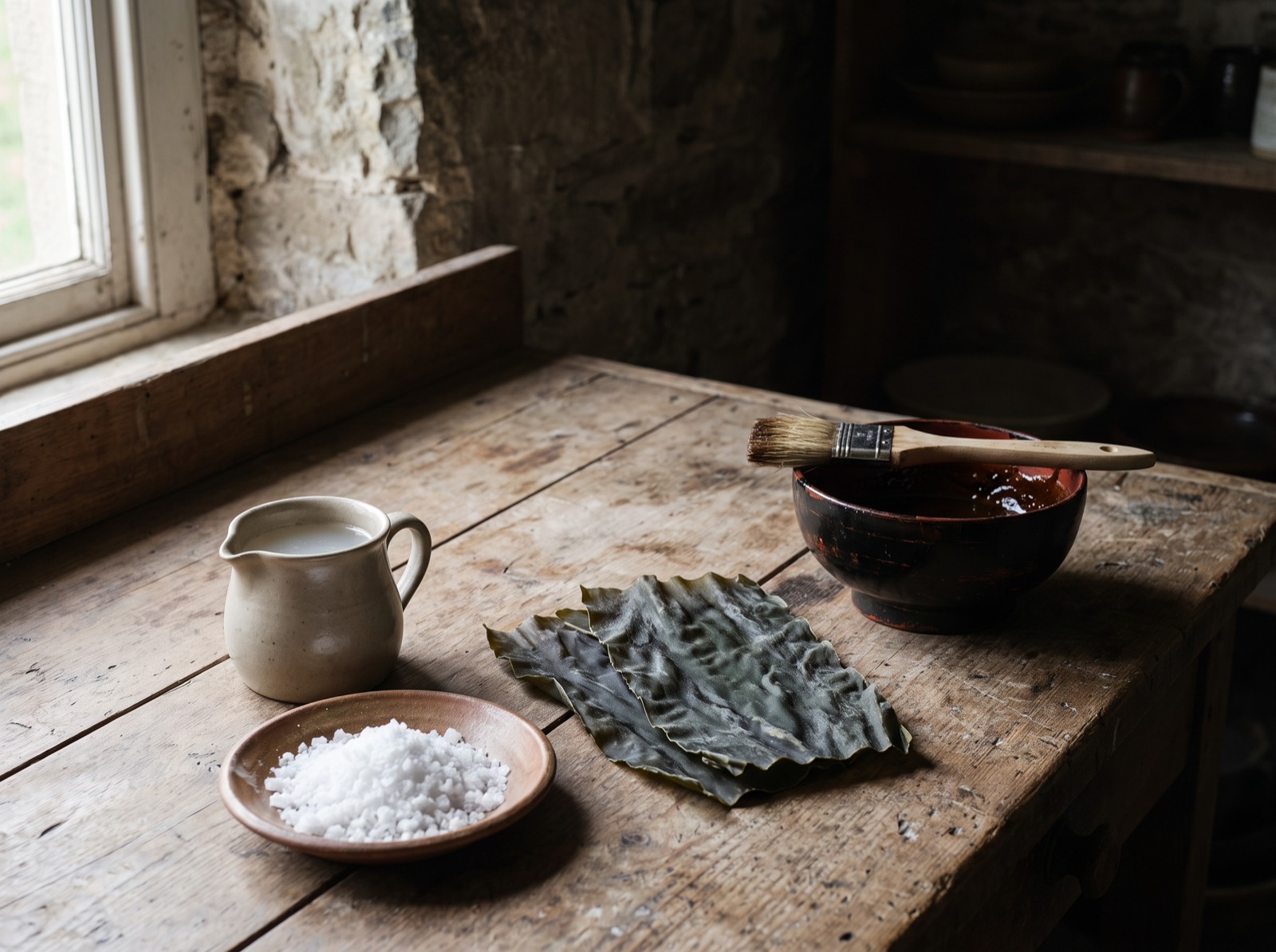
The clearest published definition we have found in the city derives the term from the two place names — Tokyo was Edo, Hokkaido was Ezo — and then describes a method: fish landed on the Hokkaido coast, cut the same day, served without unnecessary work, which is why the style also gets called namazushi, raw sushi. Another counter, six floors above the first, defines its own version as mainly ingredients from eastern Hokkaido, extends it past the fish to kelp and house-made miso, and licenses experiment. A third defines it as Edo-mae technique fused with Hokkaido ingredients, which is nearly the opposite emphasis.
None of those is wrong. They are three shops describing three practices with one word, and the reason it matters to a visitor is narrow and practical: the word on a Sapporo signboard tells you the shop has made a decision about how to present itself, not what is in the case. Where a shop has bothered to write down what it means, that page is usually the most informative thing on its site — more specific than the menu, because it names ports, seasons and individual pieces. Where a shop uses Edo-mae instead, it is generally describing the work done to the fish rather than where the fish came from, and the oldest counter in this guide has been saying exactly that, in those words, since 1971.
Ezo-mae has no governing body, no register and no agreed definition. Three Sapporo counters publish one anyway, and no two of the three match.
Where the counters are
Two parts of Chuo-ku account for nearly everything a visitor will consider, and they are ten minutes apart on the subway.
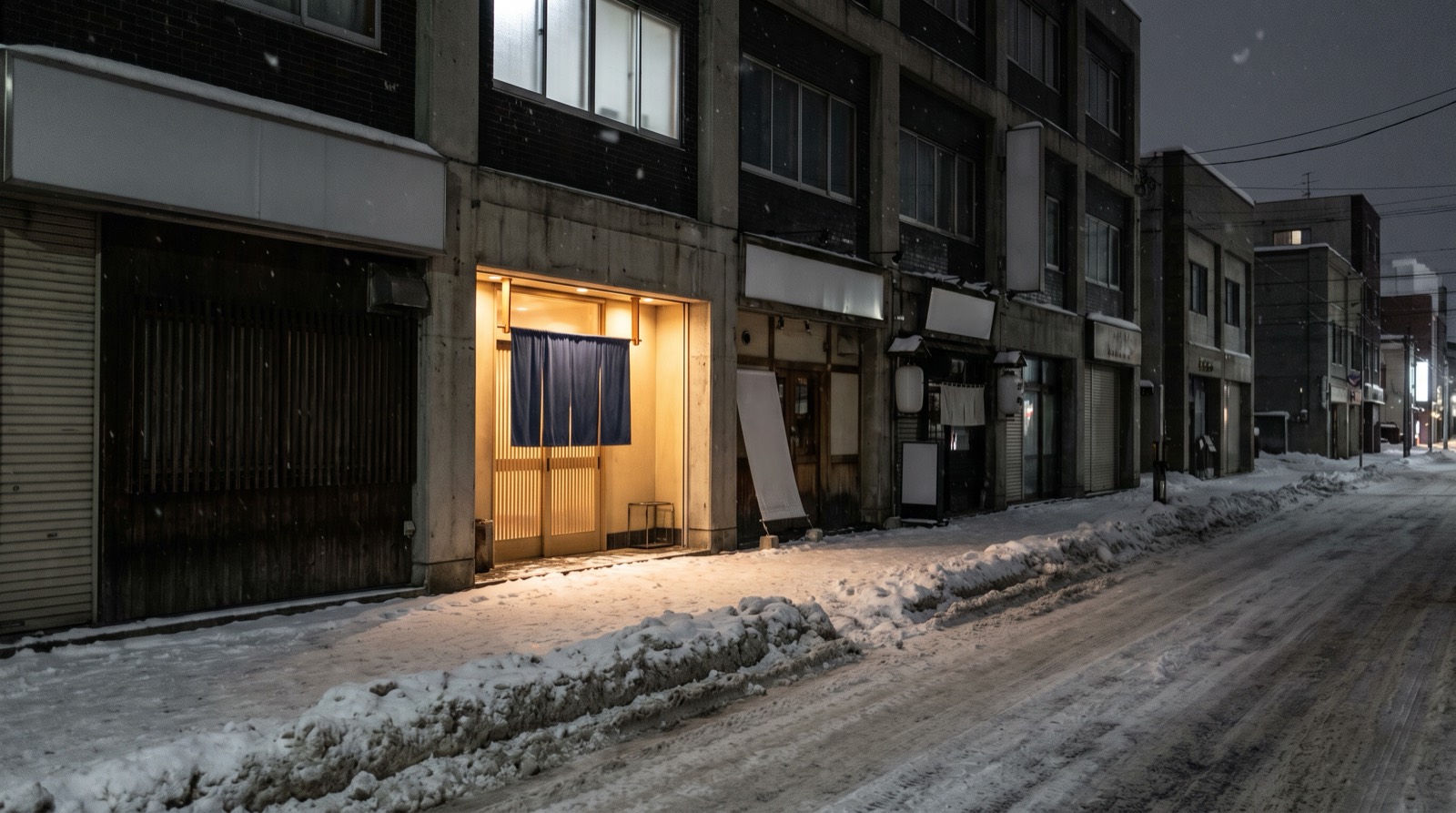
- Susukino. The entertainment district, and the denser of the two. The blocks along Minami 5-jo and Minami 6-jo Nishi hold counters on upper floors of ordinary commercial buildings, often seven or eight seats, usually evening-only, reached from Susukino on the Namboku line, Hosui-Susukino on the Toho line or the tram. One building on Minami 6-jo Nishi 4-chome alone holds three sushi counters run by two different operators.
- Maruyama. West of the centre, past the shrine and the park, on the Tozai line. Quieter, more residential, and where several of the city’s long-established and most expensive rooms sit — some of them on the ground floors of apartment buildings, which is why their pages carry unusually strict notes about smoking and parking. Ten to fifteen minutes from Susukino by subway.
- Everywhere else. Sapporo station has counters attached to the department-store complex, and the seafood markets — Nijo in the centre, Curb Market to the west — sell donburi rather than run omakase counters. Neither is where the counters in this guide are.
What it costs
On the shops’ own published figures, an omakase dinner in Sapporo currently runs from about ¥16,500 to ¥33,000, with individual counters sitting at ¥25,300 and ¥32,000. Lunch is a wider and more forgiving band: a set of ten to fourteen pieces at a good counter is published at ¥9,680 to ¥16,940, and one long-established house prints ¥8,800 for eleven pieces and ¥6,050 for a scattered bowl. Those lunch figures buy work from the same kitchen as the evening.
Read the line under the number rather than the number. Two of the counters we have checked print a single figure with consumption tax and service charge already inside it, and say so on the same line. One prints tax-inclusive prices and adds ten per cent service on top. One publishes no price anywhere on its site at all — it has a page headed with the bill of fare, and no figure on it — which means the only numbers available for that shop live on a booking platform, and a price published by a booking platform is a fact about the platform. If you need to know before you sit down, telephone.
Booking, and the rules that come with it
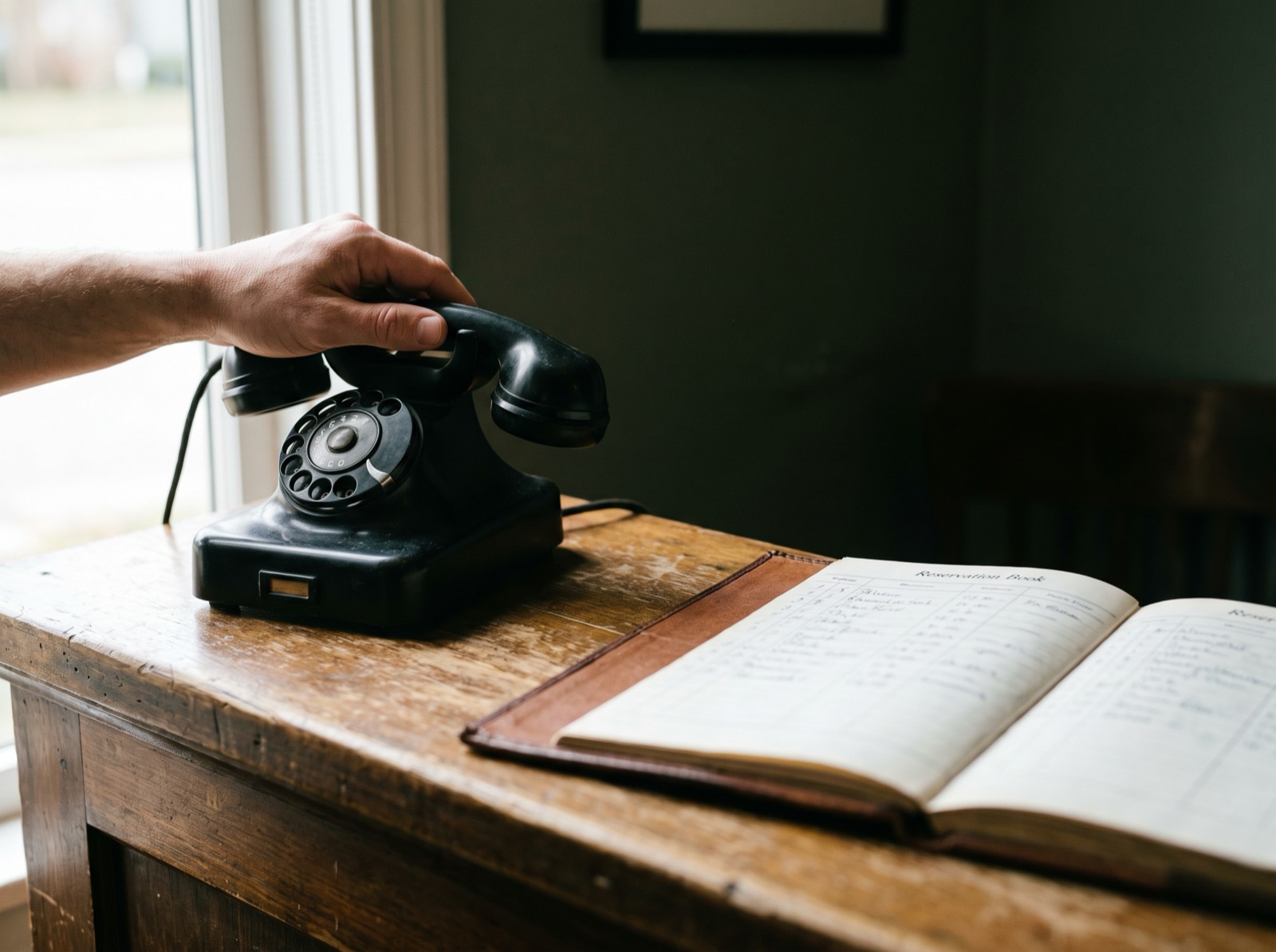
Sapporo is more telephone-led than Tokyo and considerably more explicit about its conditions. Several counters here publish, in writing, terms that a Tokyo shop of the same size would leave unsaid.
That is a convenience rather than a warning. A shop that prints its cancellation percentages has told you the cost of changing your mind; a shop that prints nothing has not promised you it is free.
- The window can be narrow. One Maruyama counter opens its telephone line at 11:00 on the first trading day of the month and takes bookings only to the end of the following month, moving the date if the first falls on a closing day.
- Agents may not be accepted. The same shop states plainly that it does not take bookings made through an agent, which rules out most concierge services.
- Cancellation terms vary from published to absent. Fifty per cent the day before and the full amount on the day, at one counter; the full amount on the day at another; nothing published at two more.
- Seatings and dress can be fixed. Two sittings at 17:00 and 19:30, smart casual with beach sandals, tracksuits and shorts named as unacceptable, and a request to avoid strong perfume — all published on one shop’s only page.
English, and what it does not cover
Provision is uneven, and the gap is rarely where you expect it. One counter runs a full English site with its own prices, its explanation of Ezo-mae translated in full, and its booking routes named. One has an English booking form on a separate domain from its main site. One offers a single line of English that points at a booking service. One has an English, Chinese and Korean link that leads to a third-party site rather than to anything the shop wrote. One has none at all.
Where both languages exist, they are worth comparing. Among the counters checked for this guide, one shop’s Japanese and English menus are not translations of each other but two different course lists sharing a single price, and another’s English page rounds two of six set-menu figures down by a few tens of yen. Neither is deception; both are what happens when two pages are maintained at different times. The Japanese page is generally the one that was updated last.
Sapporo counters do not stay in Sapporo
One thing here has no equivalent in the Tokyo, Osaka or Kyoto guides. Sapporo’s better-known counters run outward. One house that started in Susukino in 1971 now has four shops in the city and one in Ginza. One Maruyama counter links from its single page to counters in Niseko and Tokyo, another in Maruyama, and a room carrying its name in a Macau hotel. One Susukino shop opened a second counter in Niseko in 2024 and states that it is booking-only from April to November. One counter’s main house is not in Sapporo at all but in Nakashibetsu, out in the east of the island, with the Sapporo room as the branch.
The practical consequence is that a Sapporo booking and a Niseko booking are sometimes the same operator on different terms, and that a name recognised in Ginza may have its original room here. It also means the seasons matter twice: at least one of these second shops publishes different rules for the ski half of the year.
Where to start
- If you want the word explained. Go to a counter that publishes an explanation. Two do, at length, and both are within a few minutes’ walk of Susukino station.
- If you want the oldest continuous version. The 1971 house in Maruyama, which has never used the word and describes its work in the Tokyo vocabulary instead.
- If the budget is the constraint. Lunch. The published sets run from under ¥10,000, at counters whose evening courses are two to three × that.
Everything above is drawn from pages the shops publish themselves, read in August 2026, and every figure is theirs. The five counters those figures come from, with their addresses, hours, seat counts and the three incompatible definitions, are set out in five Sapporo counters, and what they call what they serve.
Frequently asked questions
What is Ezo-mae sushi?
A term Hokkaido counters use for their own sushi, formed against Edo-mae by substituting Ezo, the old name for Hokkaido. There is no certifying body and no fixed definition. The published definitions we have found in Sapporo say, variously: Hokkaido-landed fish cut the same day and served without unnecessary work; mainly eastern-Hokkaido ingredients with work extended to kelp and miso; and Edo-mae technique fused with Hokkaido ingredients. All three are the shops’ own words, and no two agree.
Is sushi in Sapporo cheaper than in Tokyo?
On published figures the top of the Sapporo range sits below the top of the Tokyo range, but the middle is not obviously cheaper: omakase dinners here are published at ¥16,500 to ¥33,000, with counters at ¥25,300 and ¥32,000, and that is comparable to a good Tokyo neighbourhood counter. Lunch is where the difference shows. Sets of ten to fourteen pieces run ¥9,680 to ¥16,940 at counters whose evening courses cost two to three times that.
When is the best season?
The shops’ own pages describe their fish by season rather than naming a best month — herring when the fat is in it, kinki with the fat under the skin, surf clam from Tomakomai — and none of them tells a visitor when to come. Winter is the season Hokkaido is known for and it is also the season Niseko fills, which matters because at least one Sapporo counter runs a second shop there with different rules for the ski half of the year.
Do I need Japanese to book?
For some counters, yes. One publishes a full English site with prices and names its booking routes; one has an English booking form on a separate domain; one has a single English line pointing at a booking service; one links out to a third-party site it did not write; one has no English at all. Several are telephone-first, and at least one refuses bookings made through an agent, which rules out concierge services.
Is Sapporo worth a trip for sushi alone?
That is a question no guide can answer for you. What the pages show is this: a small number of long-established rooms, several of which have opened branches in Niseko, Tokyo, Ginza and further, and an unusual willingness among them to write down what they mean and what they charge. If reading a shop before you go is part of how you choose, Sapporo gives you more to read than most Japanese cities.