Nagoya sits between Tokyo and Osaka and gets treated, in most English writing about Japanese food, as the place you pass through. Its sushi counters are not a passing-through proposition. They are small — six to fourteen seats — almost entirely Japanese-facing, and unusually reticent about the two things a visitor most needs before booking: what it costs, and how to reach them.
This guide is built only from what the shops publish themselves, read on 8 August 2026. Nothing has been taken from listing sites, review sites or booking platforms, including for the counters that publish no price — those services carry price bands for them, and a band assembled from other diners’ receipts is not a price the restaurant has stated. Where a shop is silent, this page says so.
Where the counters are
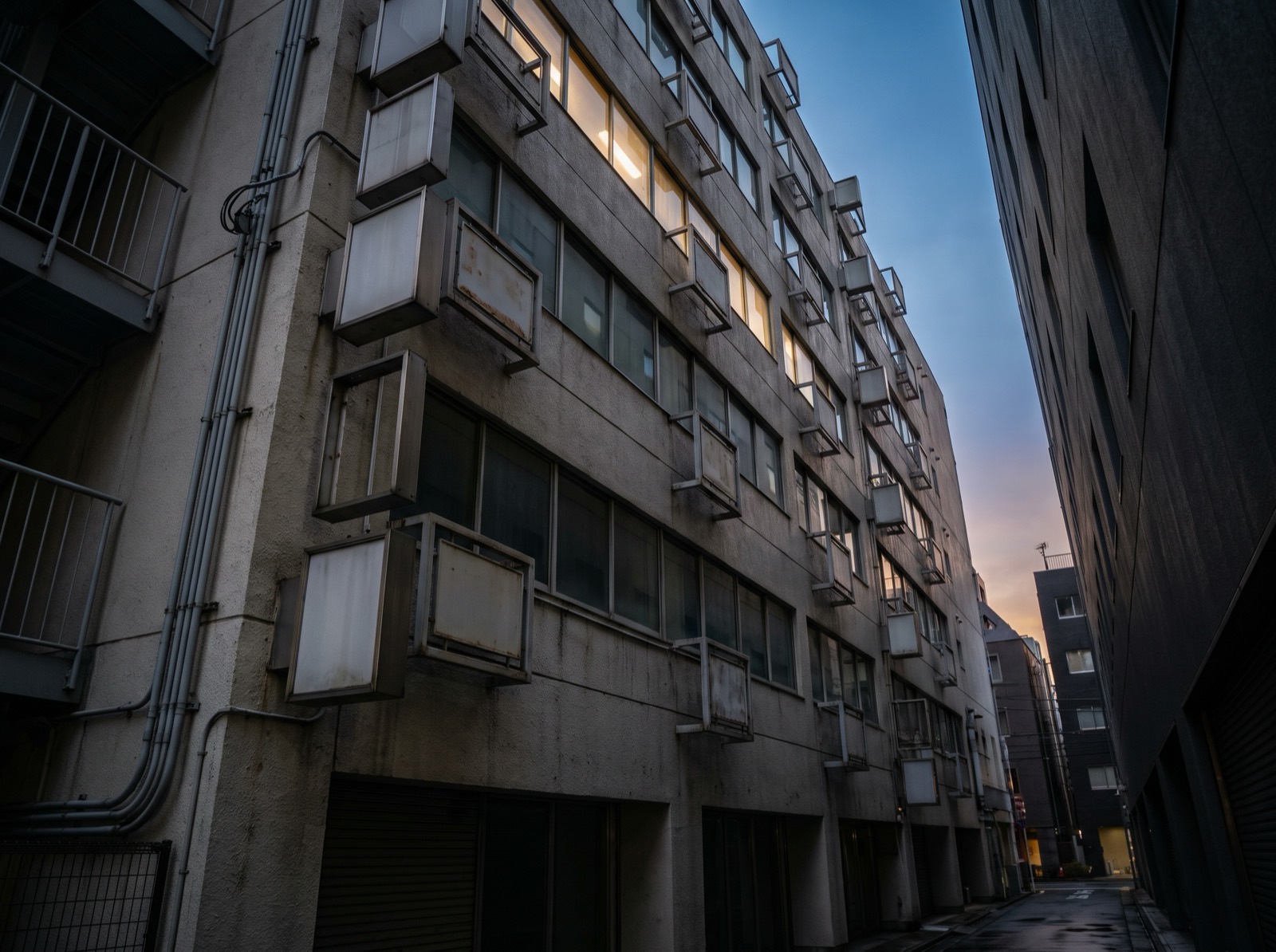
The centre of it is Nishiki, in Naka-ku, a few minutes on foot from Sakae station. Two of the counters covered here are within a minute of the same subway exit, on the second and sixth floors of two different buildings; a third is three minutes away on the ground floor of another. It is a dense, vertical district, and the addresses are floor numbers as often as street numbers.
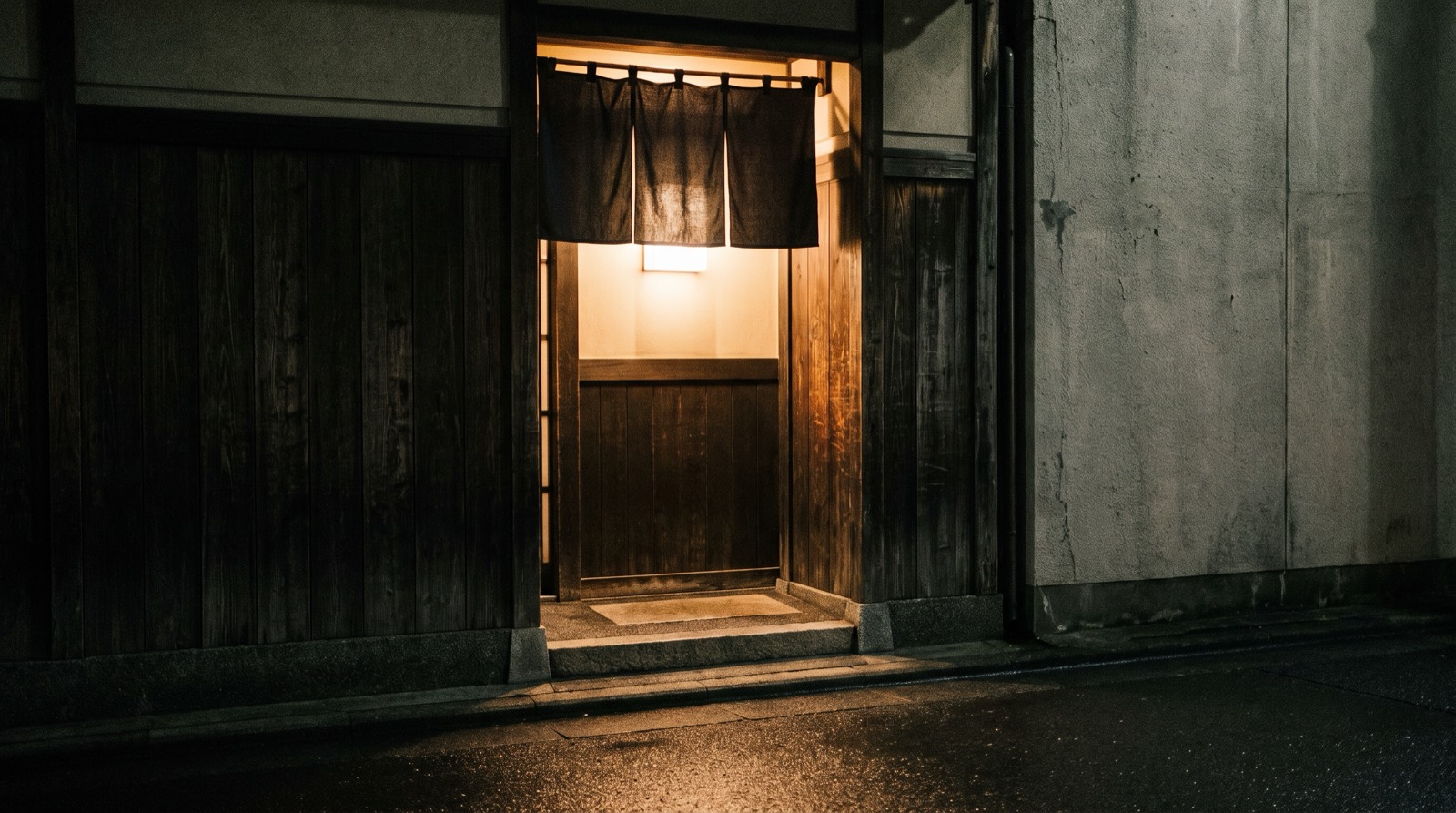
Away from that cluster, the picture changes. Four minutes from Hisaya-odori, still central, is the city’s best-known counter, set back from the main road behind a noren. And out in Chikusa-ku, behind a temple with a lit bamboo grove at the back of it, is a six-seat counter far enough from a station that the shop itself gives two different figures for the walk.
A shop that publishes its price to the yen and refuses to publish a telephone number has not been careless. It has decided which questions it is willing to answer.
What it costs, where a price exists
Three of the five counters read for this guide publish prices, and they publish them properly — tax status stated, service charge stated separately where it applies, every course named with a figure against it. The other two publish no figure at all: no yen sign, no number, nothing under the heading that names the course. That is not an oversight peculiar to one shop. It is common enough here to be worth planning around.
- Published, dinner. Between ¥11,000 and ¥38,500 across the three counters that state a price. The highest adds ten per cent service on top of a tax-inclusive figure and says so on the same line.
- Published, lunch. From ¥5,500 to ¥24,200. Only two of the five serve lunch at all.
- Not published. Two of the five. One of them replaces the price with an invitation to state your budget, which is the local convention: here, the diner says the number first.
Booking, and who owns the door
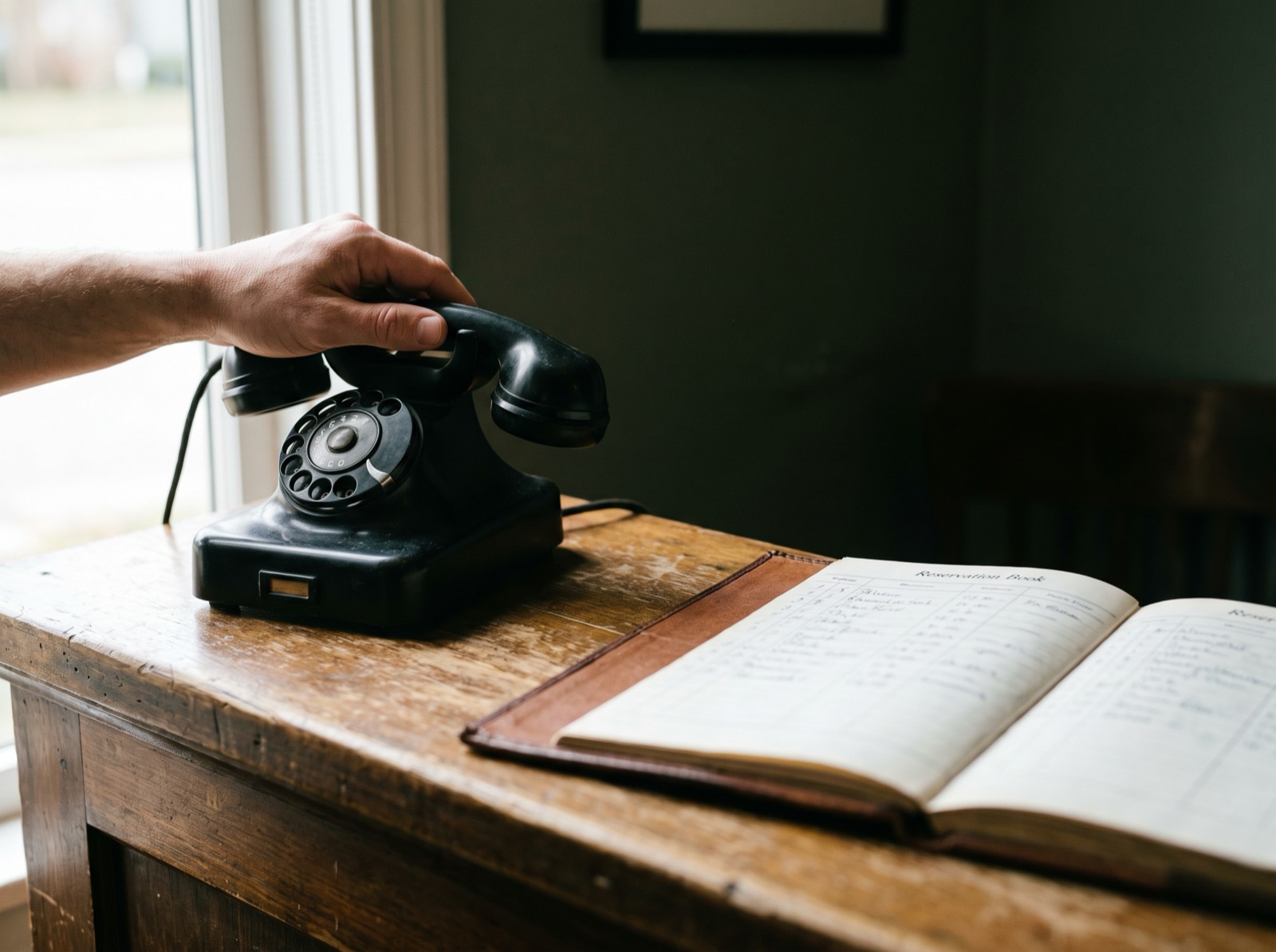
This is the thing to understand about Nagoya before anything else. Four of the five counters hand the booking to somebody else — the button marked web booking leaves the shop’s own domain for a listing service. Three publish a mobile number rather than a landline, which here is normal and not a warning sign. And the best-known of the five publishes no telephone number anywhere on its site at all, stating instead, at the top of every page, that it is not currently taking bookings by telephone.
Exactly one counter keeps the whole route to itself: its telephone and its booking form both belong to the shop, with no third party on the domain. It is also the one that publishes no price. Owning your own front door and leaving it open turn out to be different things. Where a booking leaves the shop’s site, the cancellation terms that bind you may be the platform’s rather than the ones printed on the shop’s page — read both, because the shop’s own terms here run from full payment two days out to nothing published at all.
Nagoya-mae, and who says it
One counter in this city has given its sushi a name of its own: Nagoya-mae, meaning Tokai-region ingredients worked with Edo-mae technique. The shop is explicit that it intends to spread the term nationally as a brand. This is not Sapporo, where a regional word is used across many houses and no two definitions agree. Here it is one house’s coinage, and so far one house uses it.
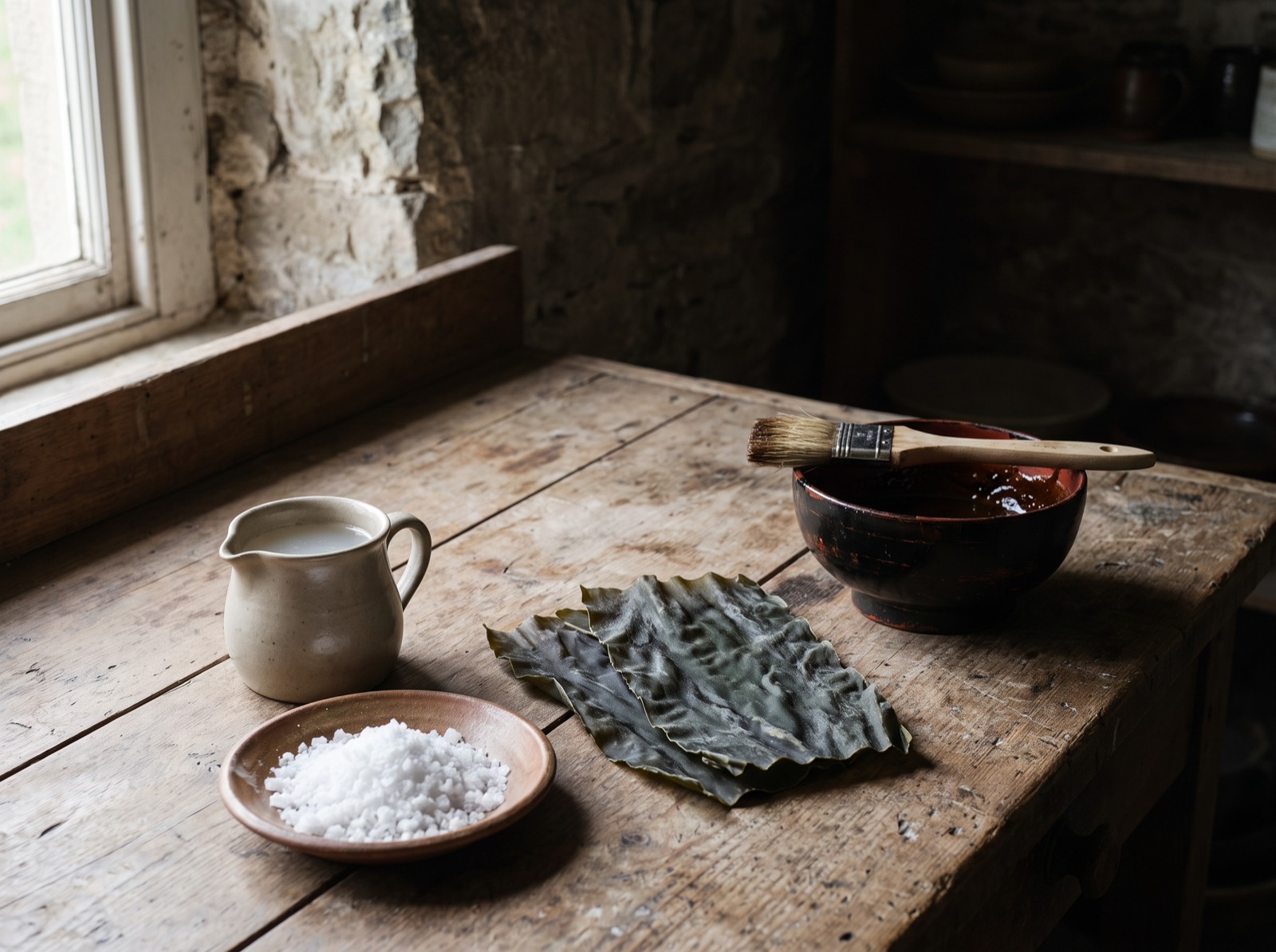
The others place themselves differently. One names Edo-mae squarely and then explains what it means by it — curing and marinating as the point of the craft, four salts, a soy dressing cooked once and softened. One introduces itself by where its chef trained rather than by any school, kappo before sushi. One declines to name a style at all and calls what it does Japanese cooking and sushi fused together. And one says almost nothing about schools at all, listing six techniques and leaving it there. For five shops in one city, that is a wide spread of self-description.
- Sushimichi Sakurada — nine hinoki seats in Marunouchi, ¥38,500 dinner and ¥24,200 lunch plus service, no telephone number published anywhere, and the shop that coined Nagoya-mae.
- Nishiki Sushi Wasyu — ten counter seats in Nishiki, one course at ¥17,500 with tax and service included, every drink priced, and the tax-invoice number printed in full.
- Sushi Murohashi — fourteen seats in Nishiki, six course prices from ¥5,500 to ¥16,500, a kappo-trained chef, and no time limit on the seat.
- Sushi Harutaka — the only landline of the five, Edo-mae explained at length, and not a single figure anywhere on the site.
- Sushi Kanoh — six seats in Chikusa-ku, the only counter of the five whose telephone and booking form both belong to the shop, six named techniques on the page, and no price on it.
English
There is none. Not one of the five counters read for this guide publishes an English page, an English menu, or English booking instructions; the only roman letters on most of these sites are the shop’s own name. That is a sharper position than Tokyo, where a visitor can usually find at least a handful of counters set up for it, and sharper than Kyoto.
It does not mean these rooms are closed to visitors. It means the arrangements happen before you arrive rather than on the site: through a hotel concierge, through a Japanese-speaking friend, or through one of the booking services the shops themselves point at, some of which run English interfaces of their own. That last route is the platform’s doing, not the shop’s, and this site does not treat a platform’s page as something the restaurant has published.
When to ask
Several counters here release a month of seats at once, at the start of the previous month, rather than taking bookings continuously. If you write in the middle of a month and are told there is nothing, that is often not a full house — it is the wrong day to be asking. Find the release date first; it is usually stated on the same page as the booking route.
Watch for start times too. At least one counter seats everybody together, and the hour is set by whoever booked first that day. Booking early there buys you the time as well as the seat, and a late booking means eating when a stranger decided to.
Before you write
- Decide your budget before you make contact. Two of the five will ask you for it instead of quoting one, and having a figure ready is the difference between a conversation and a dead end.
- Check whether the booking button stays on the shop’s domain. If it does not, read the platform’s cancellation terms as well as the shop’s — they are not always the same.
- Do not read a mobile number as a small or casual operation. Three of these five use one, including the shop that publishes its tax-invoice registration number and the price of every drink it serves.
None of that replaces asking the shop directly. But it will tell you, before you spend an evening on it, which of these counters you can actually reach from where you are sitting — and in Nagoya that is the part that is unusually hard to work out.
Frequently asked questions
Is Nagoya worth a detour for sushi?
That is not a question this site answers with a yes. What it can say is what the counters here publish: small rooms of six to fourteen seats, three of five stating prices between ¥5,500 and ¥38,500, no English anywhere, and one house that has coined a style name of its own and is trying to establish it. If those conditions suit the trip you are planning, the material is here to plan it.
Why do some counters publish no price?
They do not say. What at least one of them publishes instead is an invitation to state your budget, and an undertaking to work to it. That is a different transaction from a fixed course price and it assumes a conversation before the meal rather than a figure on a page.
Can I book without Japanese?
Not directly from the shops’ own sites, none of which are in English. Four of the five point at Japanese booking services, some of which run English interfaces; a hotel concierge is the other common route. The one counter whose booking route is entirely its own takes bookings in Japanese only.
What is Nagoya-mae?
A term coined by one shop here for its own sushi — Tokai-region ingredients worked with Edo-mae technique — which that shop says it means to spread nationally as a brand. It is not, at present, a regional tradition with several practitioners, and no certifying body for it has been found.
How current is this?
Every figure on this page was read from a shop’s own site on 8 August 2026 and carries that date. Prices, hours and booking rules change without notice; check the shop’s page before you rely on any of it, and tell us if you find something out of date.