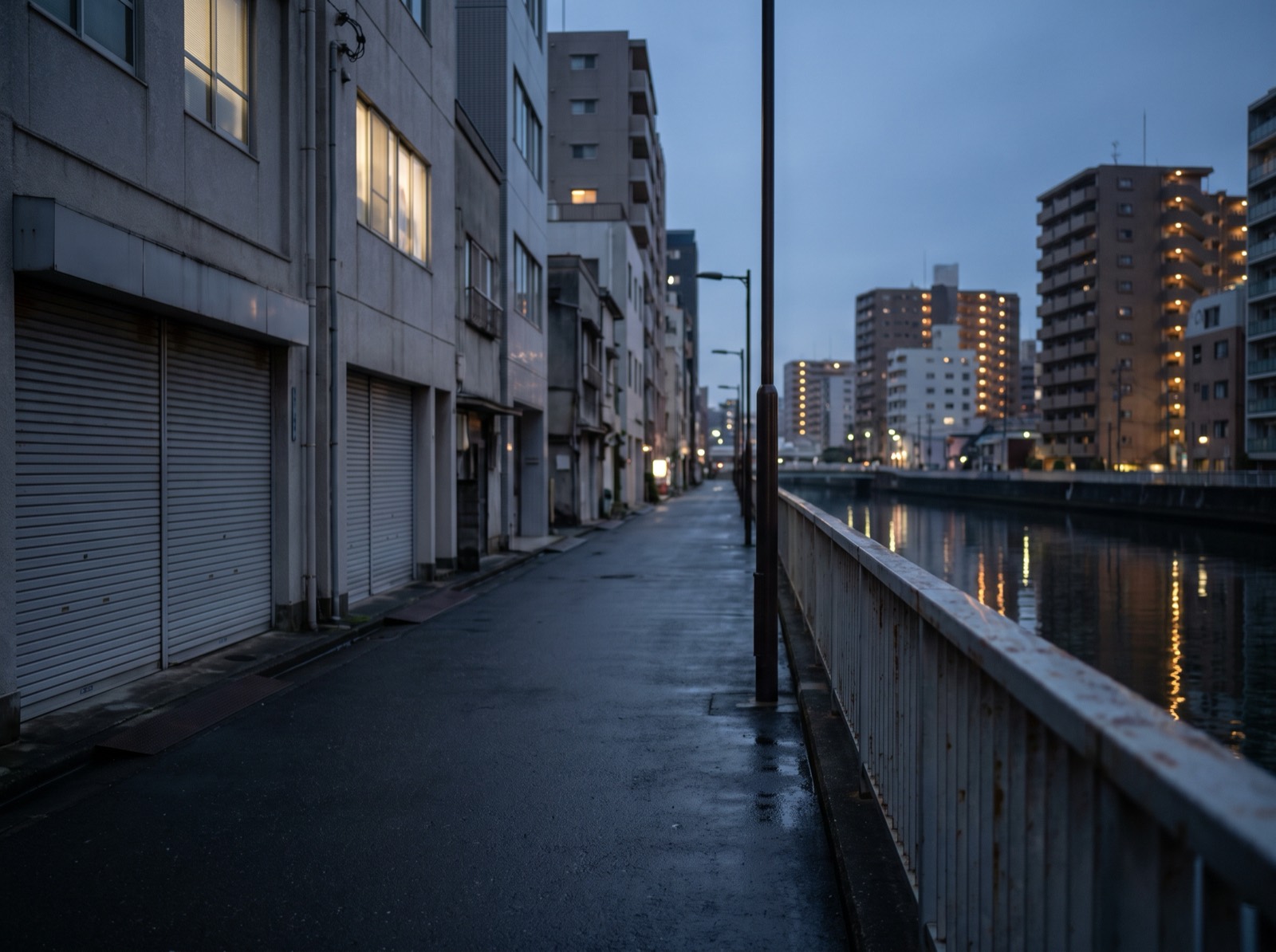
Fukuoka is the one Japanese city that most visitors arrive in already expecting to eat well, and the expectation is usually built on the food stalls by the river rather than on its sushi counters. The counters are quieter than that and, at the level covered here, quite small: nine to fifteen seats, one course a service, and a room that fills from a list rather than from the street. What makes them unusual is not the fish. It is how differently they behave on paper. Within a few streets of each other you will find a shop that prints its cancellation percentages with the reason attached, a shop that prints two deadlines that disagree, a shop that prints no bill of fare on principle, and a shop whose entire website is one sentence long.
This guide is built only from what the shops publish themselves, read on 8 August 2026. Nothing has been taken from listing sites, review sites or booking platforms — including for the counter that publishes no address and no price, for which those platforms carry both. Where something below is recorded as not published, it means the restaurant does not publish it, not that it cannot be found elsewhere.
Where the counters are
The centre of it is Nishinakasu, a small sandbank in Chuo-ku wedged between the Nakasu entertainment district and Tenjin, four minutes from Tenjin-minami on the Nanakuma line and three from Nakasu-Kawabata. Three of the five counters covered here stand on it, close enough to walk between in a few minutes: one on a ground floor since 1977, one on a third floor by the bridge, and one that occupies two floors of a round building with its own three restaurants stacked inside. That last address comes with a warning from the shop that the entrance does not face the street.
Away from the sandbank, the picture changes. Across the river in Hakata-ku, in Sumiyoshi, is the one counter here that gives no walking time from any station at all — it places itself by Nakasu and Canal City instead, which is how people in this city actually navigate. And the fifth counter gives no address. Not a vague one; none. It is the best-known name of the five, and its website is a single dated line saying that applications for new membership are suspended.
Three of these counters stand within a few minutes of each other and charge across a factor of four. What actually separates them is not distance or fish. It is how much each is willing to write down before you have committed to anything.
What it costs, where a price exists
Four of the five publish prices, and mostly they publish them properly — tax status stated, each course named against its figure, one shop listing the dishes each price contains. The range is wide for a single city: ¥10,000 at the bottom of the published lunches, ¥44,000 at the top of the dinners, with two sister restaurants under the same ownership at ¥33,000 and ¥22,000 that let a visitor choose a price rather than a shop. One counter publishes its figures only inside its booking form, where they appear as the two options in a drop-down; its shop-information page carries the seat count, the card brands and the tax-invoice number, and no money at all. The fifth publishes nothing.
- Published, dinner. ¥19,800 to ¥44,000 across the four counters that state a price, with two sister restaurants at ¥33,000 and ¥22,000. Every figure is stated tax inclusive, and no counter here adds a separate service charge. A whole-restaurant booking at the dearest is priced arithmetically, at twelve covers whether twelve people come or not.
- Published, lunch. ¥10,000 to ¥44,000. Four of the five serve lunch, which is a higher proportion than Nagoya, and at the dearest the lunch course is the same course, at the same price, as the dinner one — so lunch is not the cheap way in at every counter here.
- Not published. One of the five, which publishes no figure of any kind. Prices for it do circulate; none of them came from the shop, so none appears on this site.
Booking, and what each shop commits to in writing
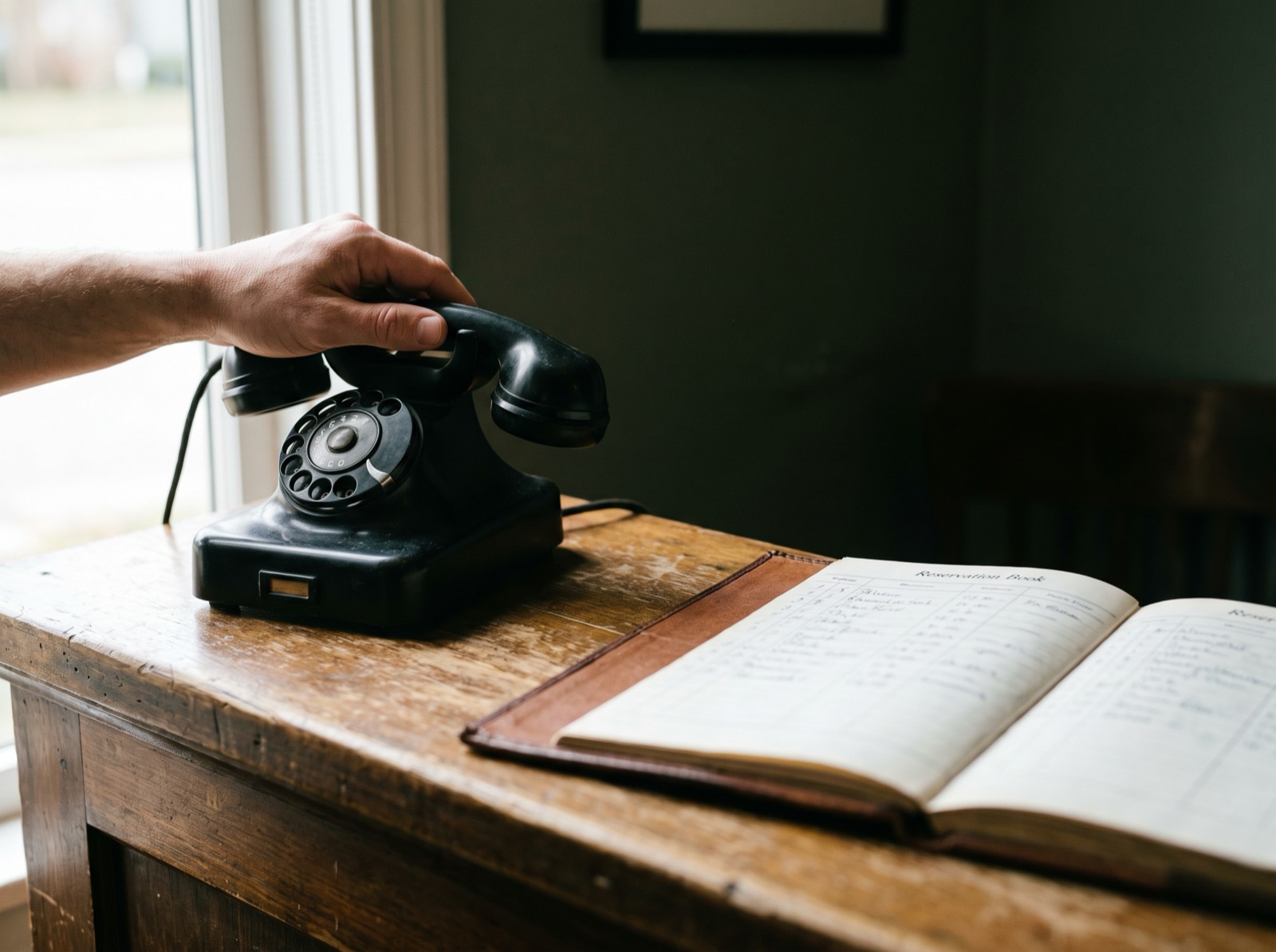
Every route in this city is different, which is unusual. One counter keeps the whole thing to itself — its own online booking, its own telephone in three languages, and a six-part rulebook that states the hour seats are released, how many months ahead, and that guests who booked while dining get them first. One takes bookings by a telephone that is answered in Japanese, plus a form that says three times over that sending it does not secure a seat. One takes the telephone alone, by the day before. One sends you to a booking service linked from its own page. And one has no booking route on its site at all.
The cancellation terms spread just as far, and this is the part worth reading before you write to anybody. One counter publishes a four-step ladder — free until three days before, then twenty, fifty and a hundred per cent — and then a sentence explaining that the rule exists so that seats are shared fairly. One charges the whole course price from six days out and treats thirty minutes of silence at the counter as a cancellation at full price. One publishes two deadlines on two of its own pages, three days on one and one day on the other, which disagree exactly in the window two days before the meal. One publishes no cancellation terms at all. The fifth has nothing to cancel.
How the shops explain themselves
Not by naming a style. Kyoto counters explain themselves through a dish, Sapporo counters through the word they use for the fish, and one Nagoya house has coined a regional style name and is trying to establish it. None of these five does that. They explain themselves through the kitchen they came out of, and they write the lineage down expecting you to recognise it: two of the five name the same well-known Fukuoka sushi house as a previous employer, with the branches they ran and the years attached. A third traces himself to a master in Tokyo. A fourth introduces the chefs he trained himself, by name, each with a paragraph in his or her own words.
That convention is worth knowing because it changes what the pages are for. A Fukuoka shop’s “about” page tends to be a career rather than a manifesto, and the useful specifics — the price, the release hour, the cancellation ladder — sit in the booking material instead. Read the shop’s history to know who is standing there; read the booking page to know what is being asked of you.
- Sushi Souten — nine counter seats in Sumiyoshi, ¥10,000 lunch and ¥20,000 dinner with the dishes listed against each, two sittings a service, and the only four-step cancellation ladder here that comes with its reason attached.
- Sushi Kamematsu — fifteen seats in Nishinakasu since 1977, no bill of fare on principle, two prices that exist only inside the booking form, free corkage on champagne, and two cancellation deadlines that do not match.
- Sushi Tagami — ten counter seats by the bridge, one course from ¥22,000, a price-rise notice from 2025 still standing on the site, an 050 telephone number, and page titles that disagree about whether the shop is reservation-only or introduction-only.
- Sushi Sakai — twelve seats at ¥44,000 with two sister restaurants at ¥33,000 and ¥22,000 in the same building, a complete English site, and a six-part set of booking rules that is the most detailed published by any shop on this site.
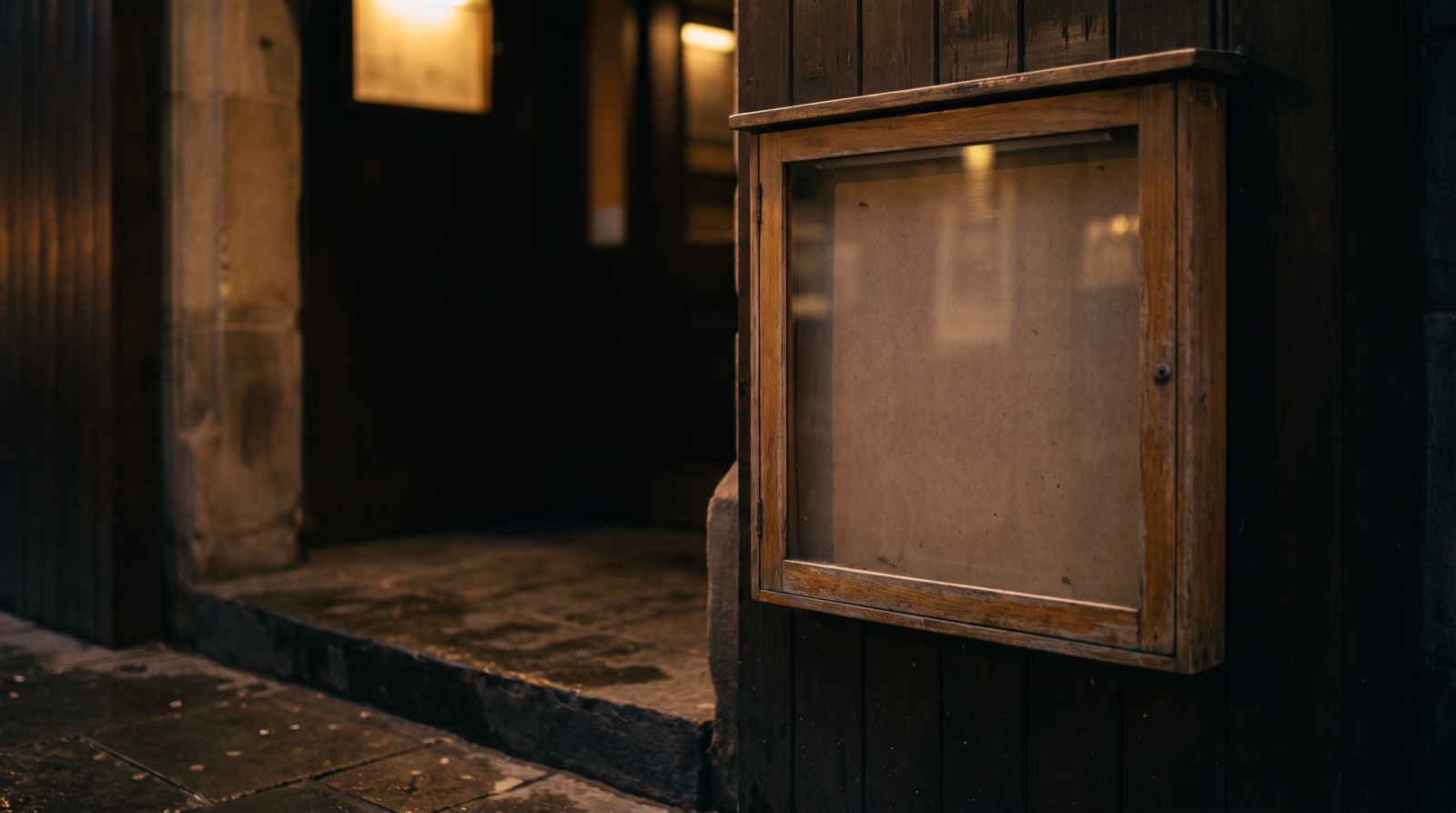
- Sushi Gyouten — one sentence, dated 13 July 2026, saying applications for new membership are suspended. No address, no telephone, no price, no hours, no seats.
English
One of five. Sushi Sakai publishes a complete English site — not a summary page but the whole thing, the six-part rulebook included — and states that its telephone is answered in Japanese, English or Chinese between ten and six. For a visitor who wants to book a high-end counter in Japan without a Japanese speaker, that is close to the best position published by any shop covered on this site, in any city.
The other four publish nothing in English at all. Two of them route bookings through Japanese platforms that have English interfaces of their own, which helps in practice, but that is the platform’s doing and not the shop’s — and the cancellation terms you actually agree to may be the platform’s rather than the ones on the restaurant’s page. Read both.
When to ask
The timing varies more here than the prices do. The counter with the fullest rules opens its seats at midnight Japan time, three months ahead for Saturdays and four months ahead for every other day, and warns that a slot can already be gone at the moment of release because guests booking while they dine are served first. At the other end, one counter simply asks for the day before. If you are planning from abroad, those two facts want different behaviour: one needs a date in the calendar four months out, the other needs nothing until the week of the trip.
Watch the sittings too. Three of the five run two fixed sittings a service rather than seating continuously, one of them an hour long at lunch. Where that is the arrangement, being late is not a minor discourtesy but a straight loss of the meal — the dearest counter states plainly that a late guest does not get the time back and that thirty minutes without contact is treated as a cancellation at the full price.
Before you write
- Read the cancellation clause twice, on both the front page and any policy page attached to a booking form. In this city those two texts do not always agree, and the gap tends to fall about two days before the meal.
- Look for the price on the information page before you look inside the form. Where the seat count and the card brands are listed but no money is, the figures are often one click further in, as options in a booking drop-down.
- Decide how much Japanese your booking can carry. One of these five is bookable end to end in English; for the rest, the seat is settled on a Japanese telephone call or through a platform, and that determines which counters are actually reachable from where you are sitting.
None of that replaces asking the shop. But in a city where the counters sit within a few streets of one another, the paper is what separates them — and four of these five will tell you exactly what they expect of you before you spend an evening finding out.
Frequently asked questions
Which Fukuoka counter can I book in English?
One of the five read for this guide. Sushi Sakai publishes a complete English site, including its full booking rules, and says the telephone is answered in Japanese, English and Chinese from ten in the morning to six in the evening. The other four publish no English. Two route bookings through Japanese services that have English interfaces of their own, which is a workable path, but it is the service’s English rather than the shop’s.
How far ahead should I book sushi in Fukuoka?
It depends entirely on the shop, and the spread is unusually wide. The counter with the most detailed rules releases seats at midnight Japan time, three months ahead for Saturdays and four months ahead otherwise. Another simply asks for the day before. Check each shop’s own booking page rather than applying one habit to the city, because getting it wrong in either direction costs you the seat.
Is Nishinakasu the sushi district?
It is where three of these five counters are, on a small sandbank in Chuo-ku between Nakasu and Tenjin, within a few minutes of each other. That does not make it the whole of sushi in Fukuoka — one of the counters here is across the river in Hakata-ku — but it does mean you can compare three rooms at three prices without changing neighbourhoods.
One shop publishes no price, address or telephone number. Why not use another source?
Because this site prints only what a restaurant publishes about itself. Platform listings are assembled by the platform, and price bands there are often built from other diners’ bills rather than a course the shop sells. Borrowing one would make the entry look complete and make it less true — and it would hide the fact worth knowing, which is that the shop has chosen to say nothing.
Do Fukuoka counters charge a separate service charge?
None of the four that publish a price does. Every published figure in this guide is stated tax inclusive with no service charge on top, which is not true of every city on this site — in Nagoya, the dearest counter adds ten per cent. It does not mean no Fukuoka shop ever will, only that these four say what the number covers.