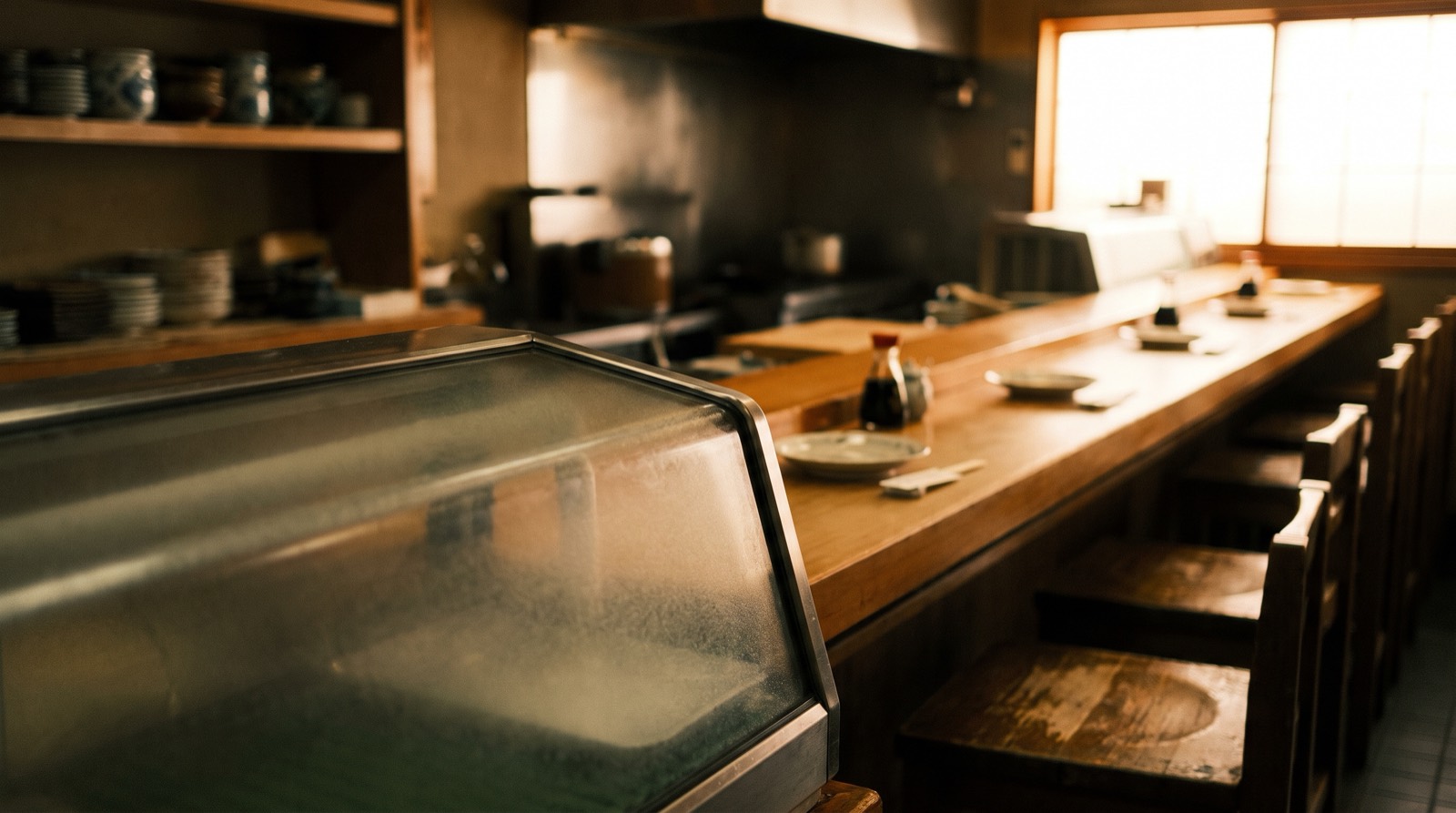
お任せ
Omakase
You sit. You hand over every choice. The chef reads the season, your pace, even your silences — and builds a meal you could never have ordered yourself. This is omakase: trust made edible.
You sit. You hand over every choice. The chef reads the season, your pace, even your silences — and builds a meal you could never have ordered yourself. This is omakase: trust made edible.
The word omakase — お任せ — translates literally as "I leave it to you." At a sushi counter it carries the full weight of that phrase: you surrender the menu, the sequence, the tempo, and the portion count entirely to the itamae behind the wood.
What you receive in return is not a preset tasting menu. It is the chef's reading of the morning's market, the current shun of the season, and the subtle signals you send as you eat. A plate set down faster when you're hungry. A leaner cut after you've been richer. A pause before the uni because you exhaled at the scent.
The philosophy in full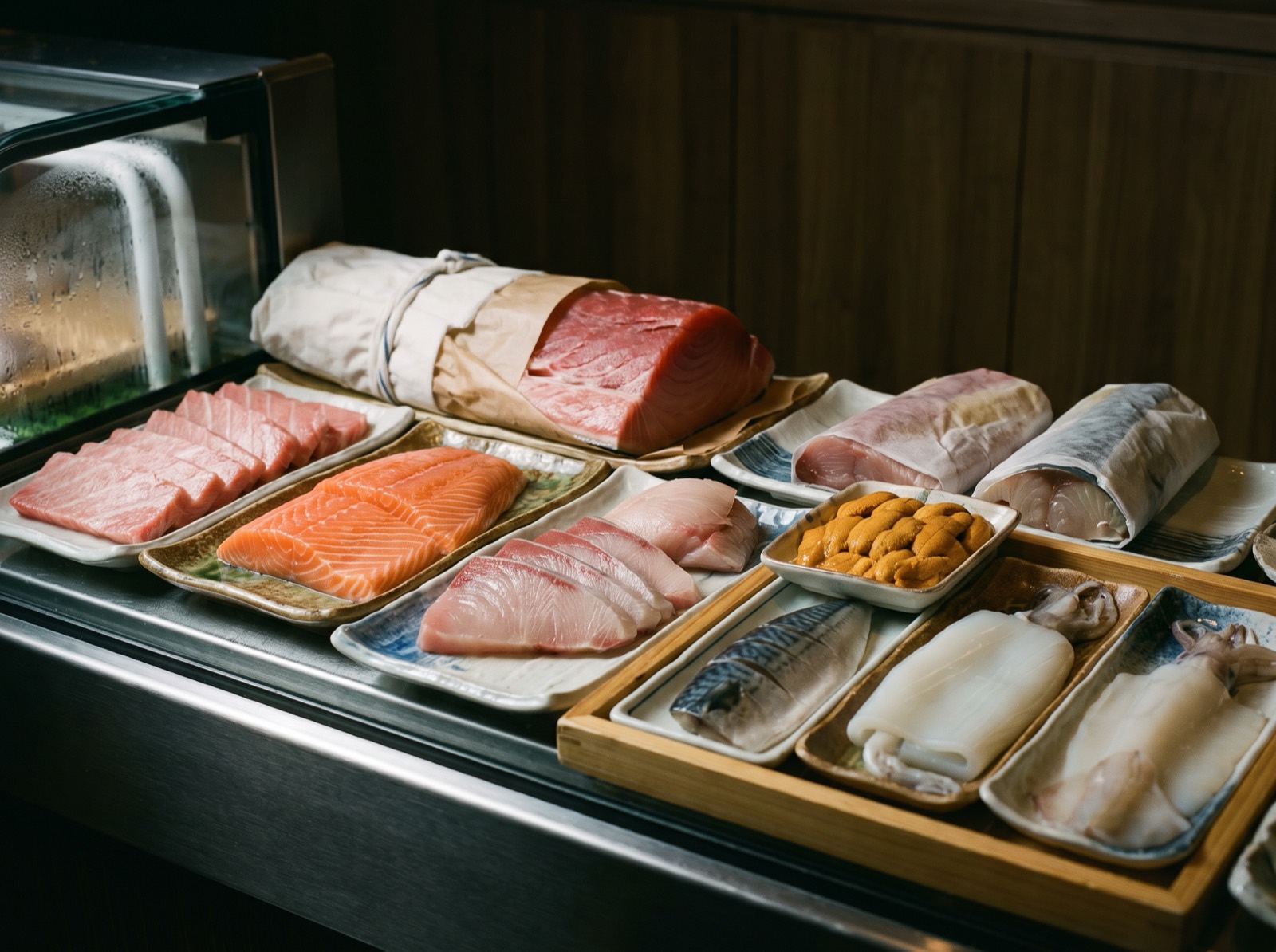
It is not a tasting menu. It is a series of decisions made in front of you, in real time, using seafood selected before you woke up.
Read the guide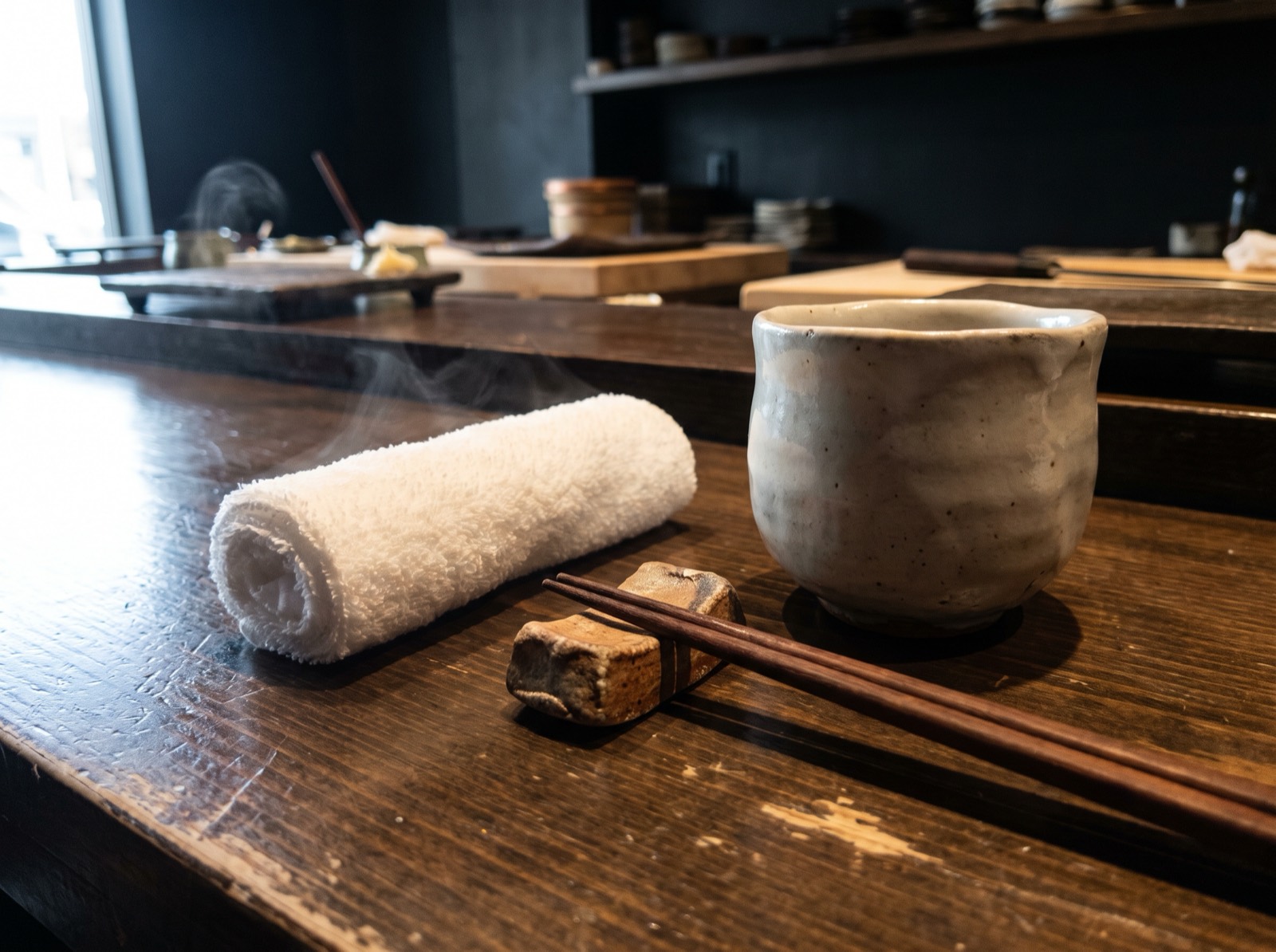
Handing the decisions to someone else changes what politeness consists of. Most of it happens on the phone, the day before.
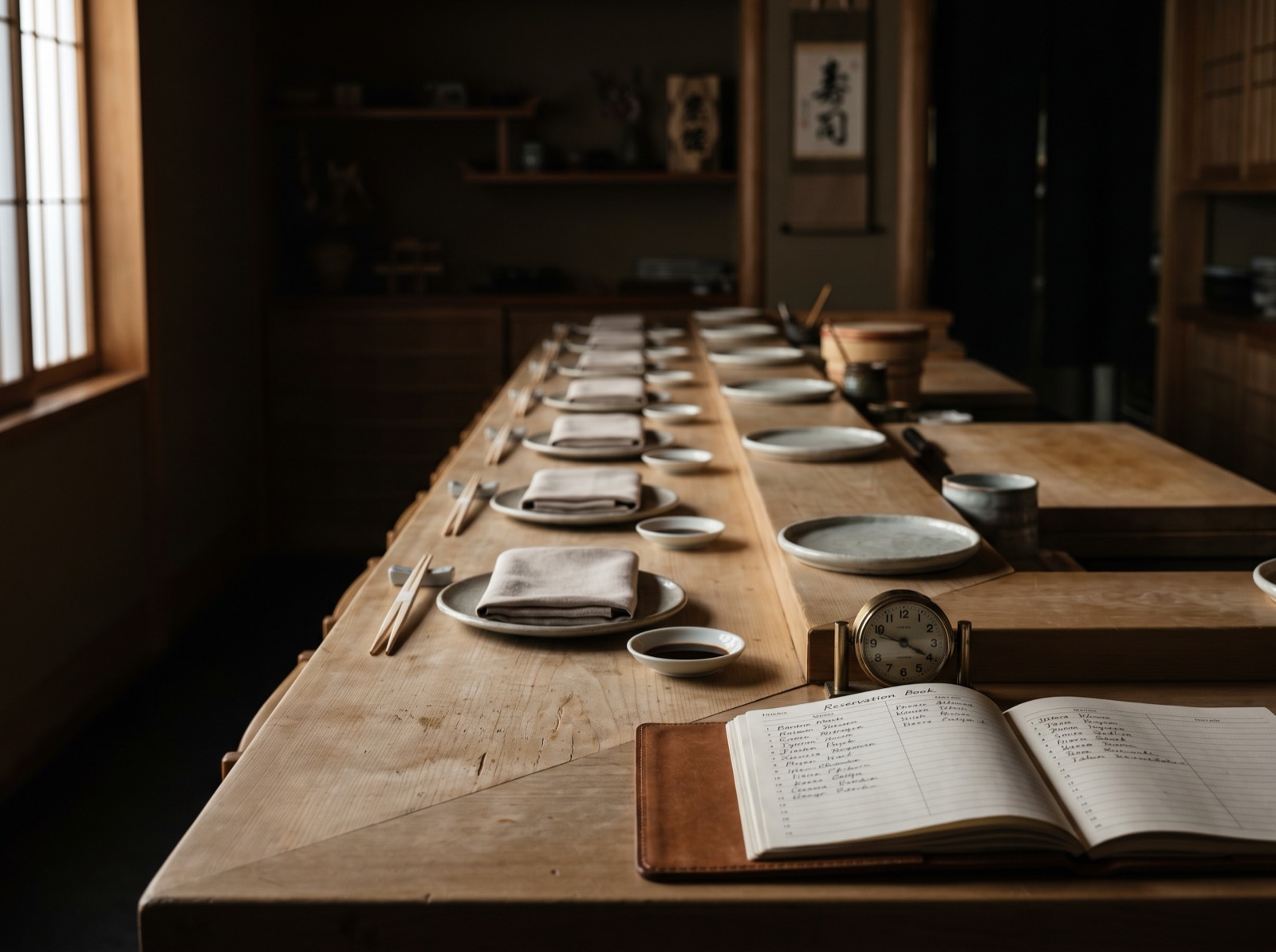
A short answer with the variables attached — because the difference between an hour and two and a half is mostly decided by things you can find out when you book.
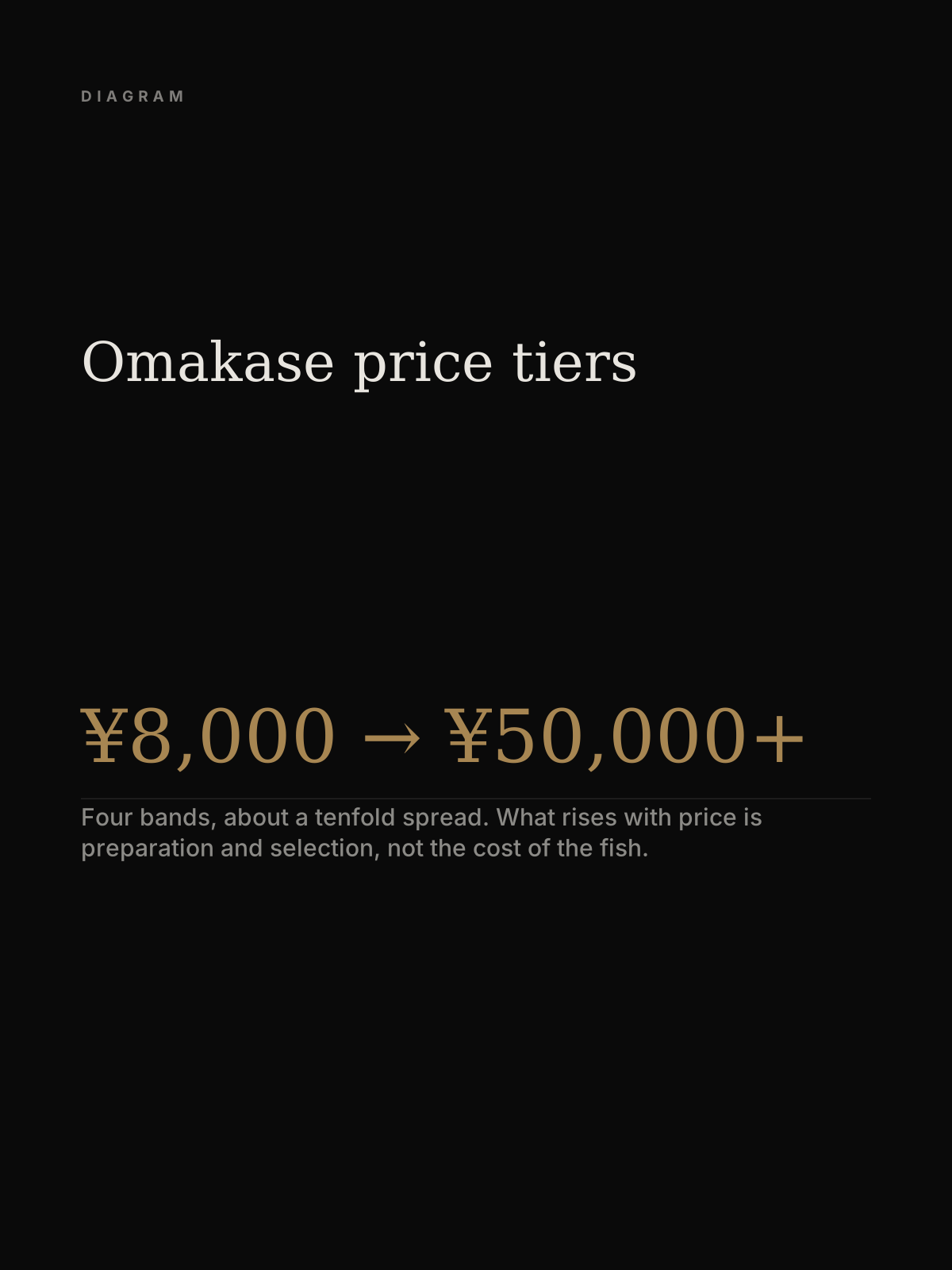
The listed price is almost never the price you actually pay. Here is what makes up the difference, and what separates each price band.
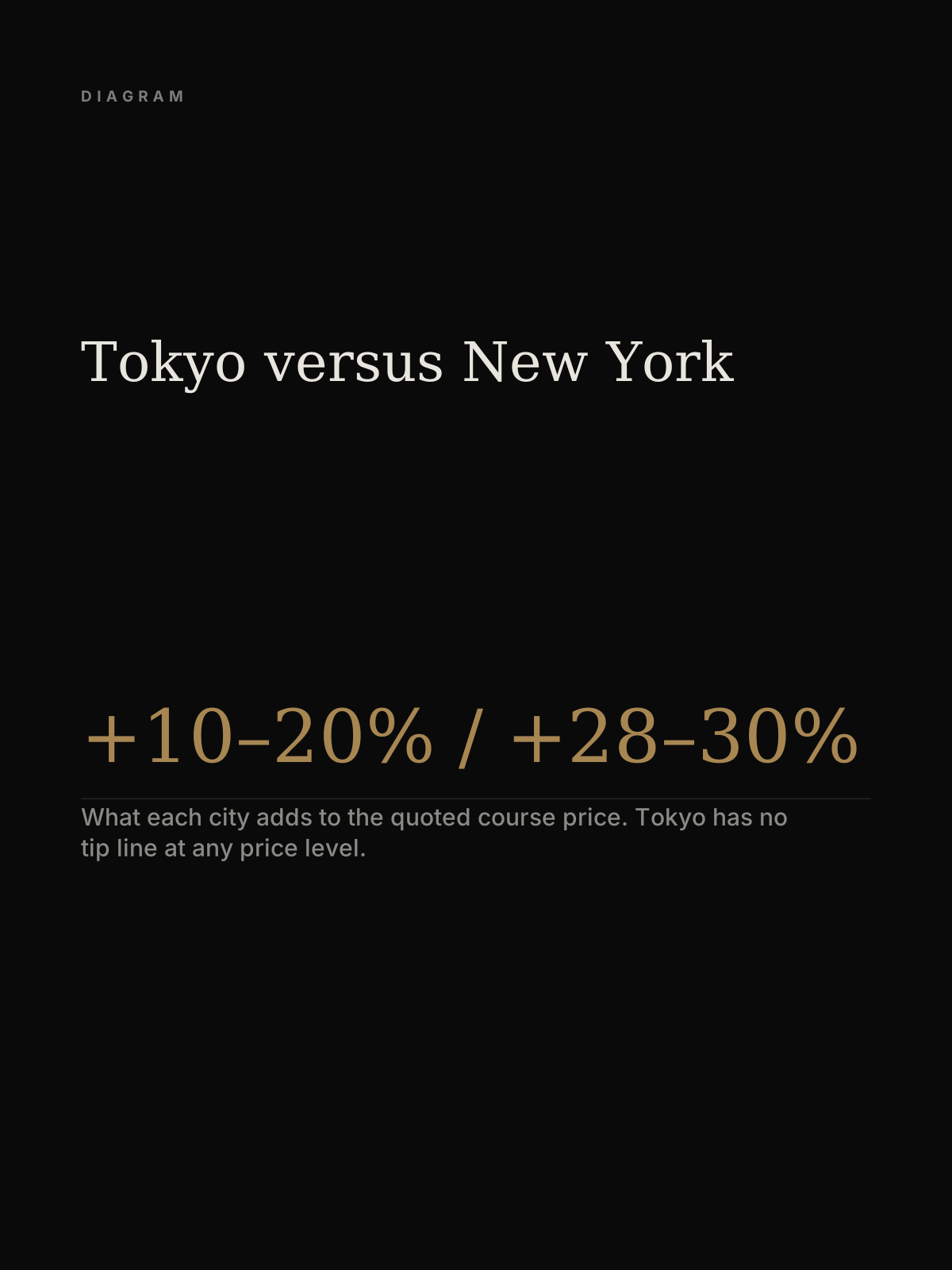
Both cities have counters where one person makes twenty pieces in front of ten people. What separates the bills is mostly not the sushi.

A star is a reliable signal about one narrow thing. Most visitors use it as a signal about something else, and are disappointed for reasons that have nothing to do with the food.
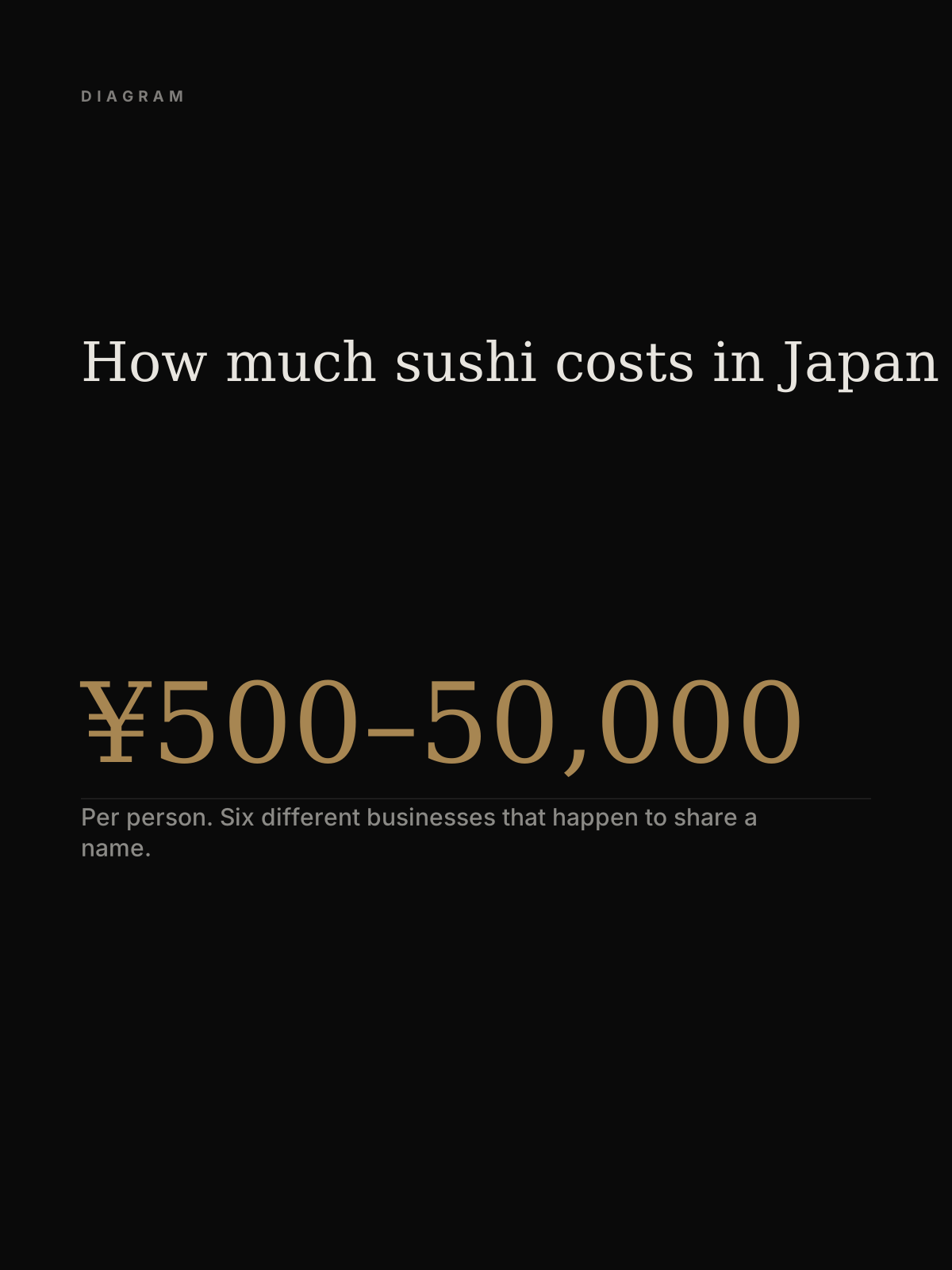
Six formats, six different price logics. Most price guides describe one of them and call it sushi.
Three principles that define every omakase — at the bottom of the range and at the top of it alike.
There is nothing to order. No list, no choices, no substitutions mid-service. You have communicated your dietary restrictions at booking. After that, the evening belongs to the chef.
Every piece reflects a decision made hours or days earlier — what arrived at market, what the curing time demands, what the previous course set up. The sequence is not arbitrary. It is a sentence being written.
The moment a piece is placed in front of you, eat it. The temperature of the shari, the texture of the neta, the balance between rice and fish — all of it is calibrated to the exact second it arrives. Waiting is waste.
Last updated: