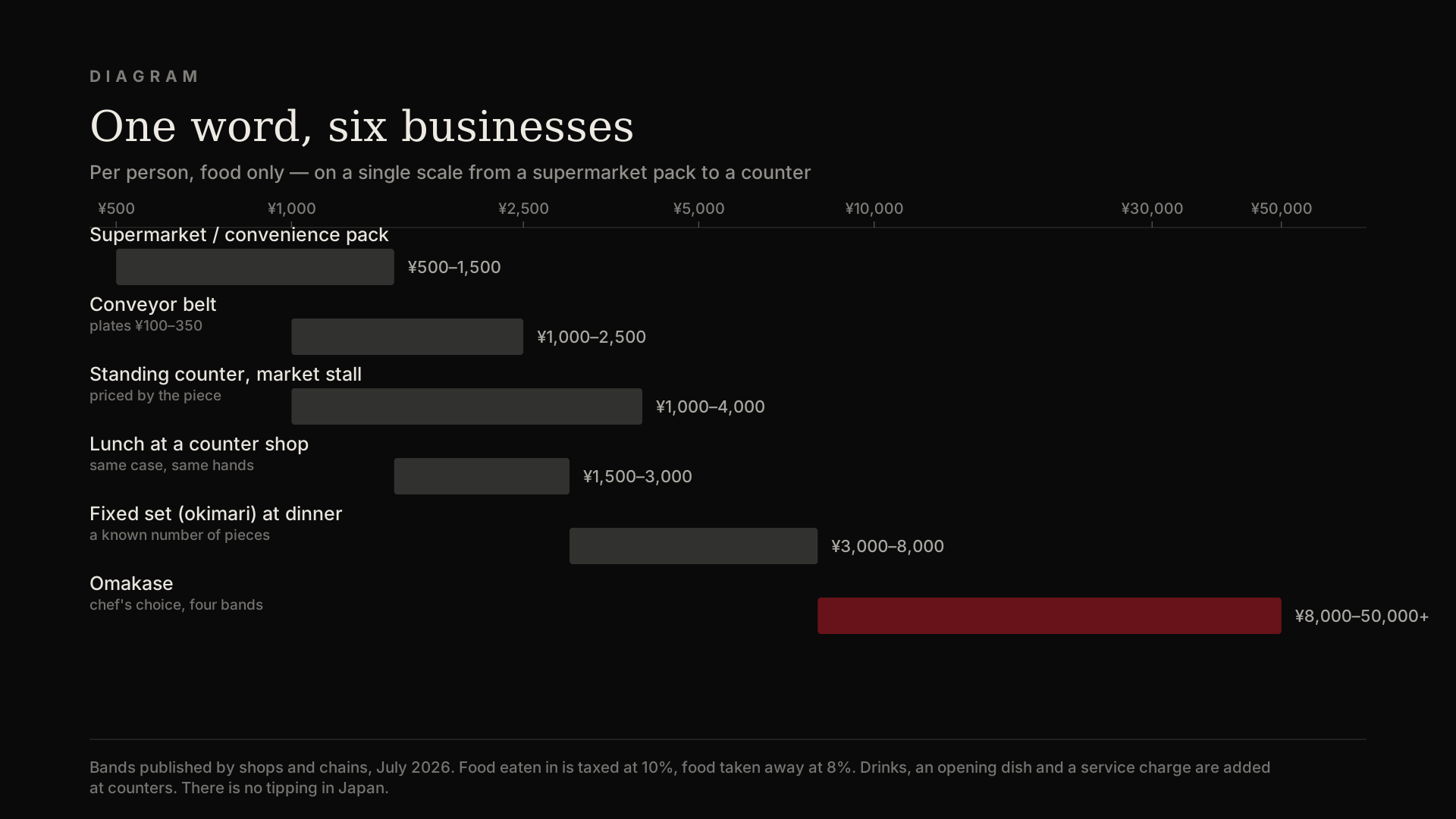
Sushi in Japan spans roughly ¥500 to ¥50,000 per person, depending entirely on format. A supermarket pack runs ¥500–1,500; conveyor-belt sushi ¥1,000–2,500 a head; a lunch set at a proper shop ¥1,500–3,000; a fixed dinner set ¥3,000–8,000; and a chef's-choice omakase ¥8,000–50,000 or more. Food eaten in is taxed at 10%, food taken away at 8%. The bands throughout this page are our own observation of published prices as of July 2026, not a survey.
The reason the range is so wide is that “sushi” in Japan is not one product at six price points. It is six different businesses that happen to share a name, and each has its own cost structure. Knowing which one you are in tells you more than any average.
The six formats and what they cost
- Supermarket and convenience store, ¥500–1,500. Sold as a pack, discounted in the evening, and better than any equivalent in most countries. This is what a great many people in Japan actually eat.
- Conveyor belt (kaitenzushi), ¥1,000–2,500 a head. Plates at the large chains run from around ¥100 to ¥350, with premium items above that. Chain prices have risen over the last few years and each chain publishes its current plate prices; treat any figure you read online, including this one, as approximate.
- Lunch at a counter shop, ¥1,500–3,000. The most under-used option in Japan. A shop whose dinner sits at ¥20,000 may serve a lunch set for a tenth of that, from the same case, cut by the same hands.
- A fixed set (okimari) at dinner, ¥3,000–8,000. A named set (often graded “bamboo, plum, pine” or similar) with a known number of pieces at a known price. You can see the bill before you sit down.
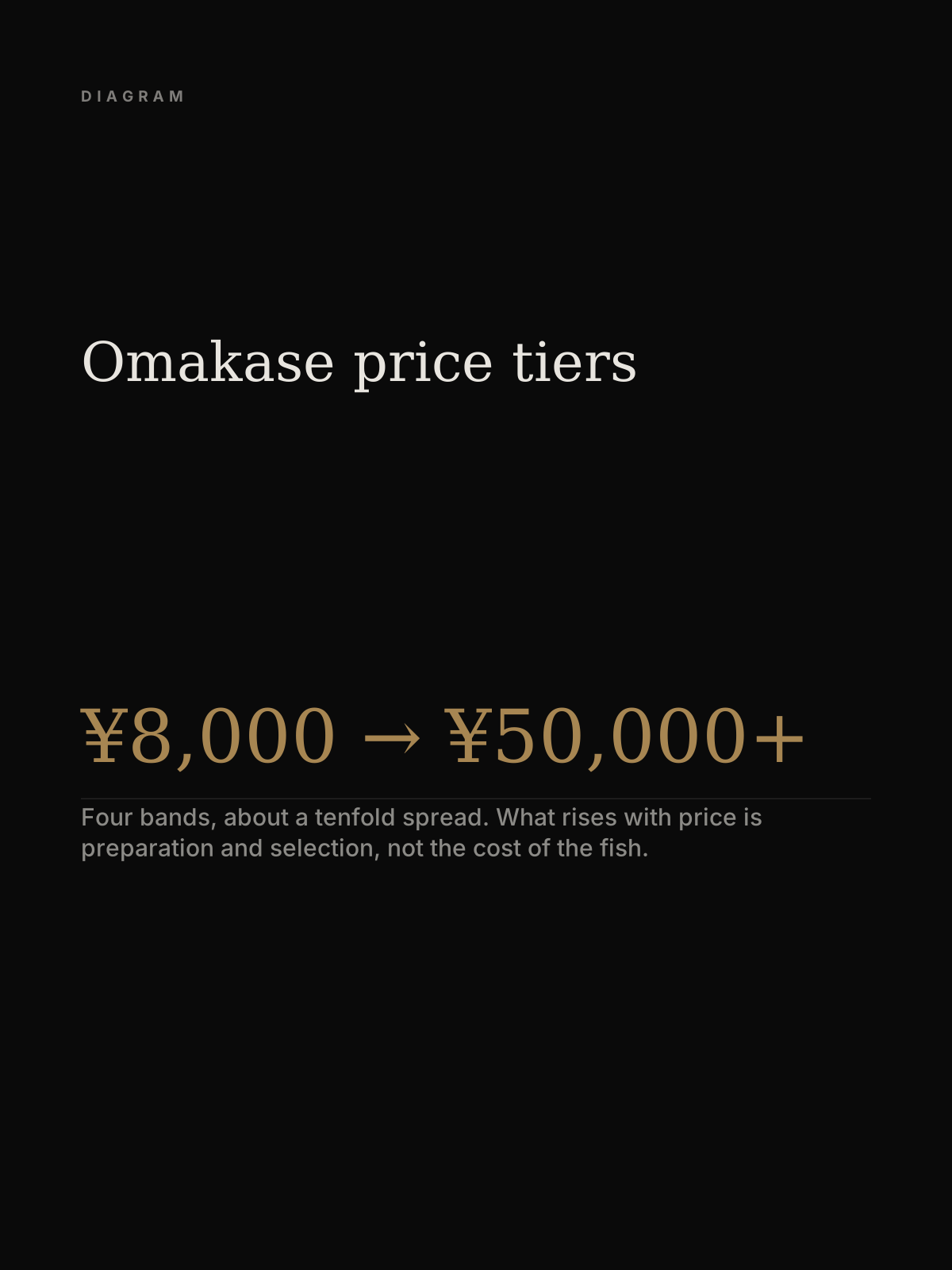
- Omakase, ¥8,000–50,000+. Chef's choice, four broad bands, covered in detail in our guide to omakase price tiers.
- Standing counters and market stalls, ¥1,000–4,000. A category of its own: proper hand-formed nigiri, priced by the piece, eaten in fifteen minutes.
The rule almost no one tells visitors: eat in or take away
Japan's consumption tax has two rates. The standard rate is 10%, and a reduced rate of 8% applies to food and drink, but the reduced rate only covers food taken away. Eating in a place with seating, which includes a sushi counter and the seating area of a conveyor-belt shop, is taxed at 10%. Alcohol is excluded from the reduced rate entirely and is always taxed at 10%.
The practical consequence is that the identical box of sushi costs two different amounts depending on your answer to “are you eating here?” The determination is made at the point of sale, which is why staff ask. This is not a trick and the difference is small, but it explains a discrepancy that visitors notice constantly and rarely have explained. The rule is published by Japan's National Tax Agency.
What gets added to a counter price
At the higher end, the number on the menu is the food. Four things can be added, and all four are booking-time questions rather than bill-time surprises.
- Drinks. The largest variable. Sake at a good counter is not cheap and can add 20–40% to a bill.
- An opening dish (otoshi). A small charge for a small dish you did not order, common at counters that serve drinks. It is the seat charge in another form.
- Service charge. Usually 10%, usual at hotel restaurants and the upper bands, unusual at neighbourhood shops.
- Consumption tax. 10% eating in. A price shown to consumers in advance — on the menu, in the window, in an advert — must by law be the tax-included total, so the figure you read is the figure you pay. The rule does not reach a shop that displays no price at all, or a price given to you verbally.
And nothing else. There is no tipping in Japan, at any price level, in any format. There is no tip line on the card slip and no expected percentage.
The cheapest sushi in Japan is very good, and that is the fact that makes the price question interesting rather than the fact that the expensive sushi is expensive.
Why the bottom of the range is unusually good
In most countries the cheap end of a cuisine is a compromise. In Japan it is frequently not, and there is a structural reason for it: the distribution system that supplies the counters also supplies the supermarkets and the chains. Conveyor-belt sushi expanded through the 1980s and turned sushi into everyday food, and it did so without a separate, worse supply chain.
This matters for planning. A visitor with a two-week trip does not need to spend at the top of the range every night to eat well. One counter meal and a fortnight of everything else is a better trip than the reverse, and the Japanese literature on eating sushi is, if anything, more emphatic about this than any English guide.
What actually drives the price at the top
It is not the fish, or not mainly. Between a ¥10,000 counter and a ¥40,000 counter, what rises is the amount of work done before service: curing, marinating, kelp-pressing, ageing, and rejection at the market. It is also labour per guest (fewer seats, more hands) and consistency, which is the thing regular guests are actually paying for.
The fish that mark out a serious shop are often among the cheapest things it buys. Gizzard shad, horse mackerel, squid and the egg are all inexpensive to purchase and difficult to get right, which is precisely why the trade uses them to judge a counter. A shop cannot buy its way past them.
How to find out what a specific meal will cost
- Name a budget when you book. Entirely normal in Japan. If it does not fit the shop, they will say so.
- Eat lunch there first. Standing advice in Japanese reference books: lunch tells you what the evening is, at a fraction of the price.
- Ask the price of anything quoted at market rate. An ordinary question, and you will get a straight answer.
- Check whether the shop takes cards. Many good sushi shops in Japan still do not. This surprises more visitors than the price does.
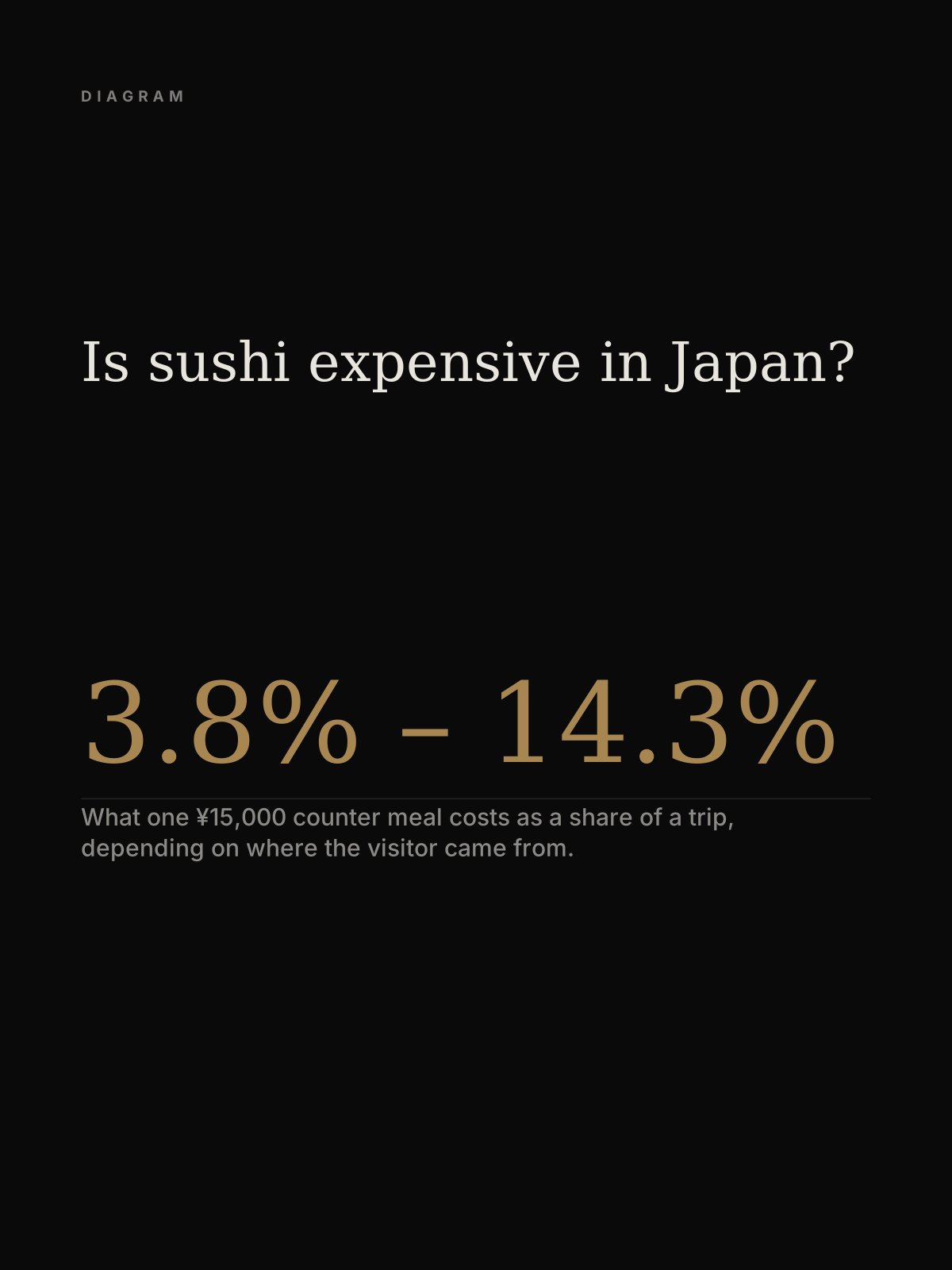
For the counter bands in detail, see omakase price tiers. For whether any of this counts as expensive by your own standards, see is sushi expensive in Japan? For the difference between a conveyor belt and a counter as an experience rather than a price, see conveyor belt versus counter.
Frequently asked questions
How much does sushi cost in Japan?
From about ¥500 for a supermarket pack to ¥50,000 or more at a top counter. Conveyor belt runs ¥1,000–2,500 a head, lunch at a counter shop ¥1,500–3,000, a fixed dinner set ¥3,000–8,000, and chef's-choice omakase ¥8,000–50,000+.
How much is conveyor-belt sushi in Japan?
Plates at the large chains run roughly ¥100–350, with premium items above that, so a normal meal lands at ¥1,000–2,500 a head. Chain prices have risen in recent years; each chain publishes its current plate prices.
Is takeaway sushi cheaper than eating in?
Slightly, and for a specific reason: Japan taxes food taken away at the reduced 8% rate and food eaten on the premises at the standard 10%. The same box therefore costs two different amounts depending on your answer when staff ask.
Do you tip for sushi in Japan?
No, at any price level and in any format. There is no tip line and no expected percentage, and attempting to tip usually results in the money being returned.
Is cheap sushi in Japan any good?
Generally yes. The supply chain that feeds the counters also feeds the supermarkets and the chains, so the bottom of the range is far better than the equivalent in most countries. A trip does not need to be spent at the top of the range.
Why is high-end sushi so expensive?
Preparation and selection rather than ingredient cost: curing, marinating, ageing and rejecting at market, plus far more staff per guest. The fish a serious shop is judged on — gizzard shad, squid, the egg — are among the cheapest it buys.