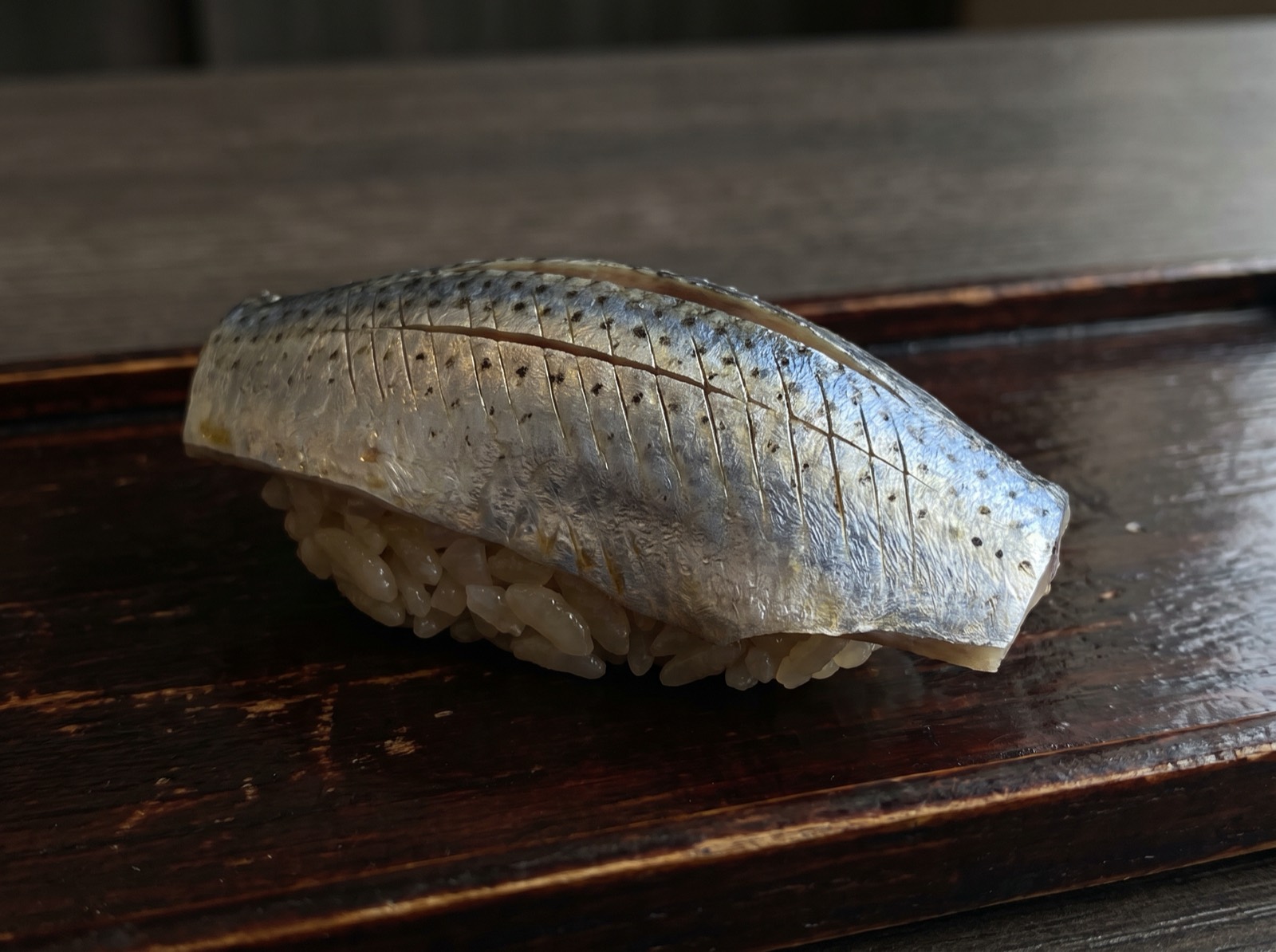
Kohada (コハダ) is gizzard shad, Konosirus punctatus, a small silver-skinned fish that is cured in salt and then in vinegar before it ever touches rice. It is inexpensive to buy and very difficult to serve well, which is why experienced eaters order it first and why Japanese writing on sushi treats it as the measure of a shop.
What it is
Kohada belongs to the category Japanese counters call hikarimono (光り物), “the shining things”: small fish served with their silver skin left on. The skin is the visual signature and it is also the reason for the treatment: these are oily, fast-spoiling fish, and Edomae curing exists to make them keep.
Like buri, it is a shusseuo, renamed as it grows, and the ladder is worth knowing because it is written on menus:
- Shinko (シンコ). The youngest, only a few centimetres. Available for a short window in summer, and briefly among the most expensive fish in the market by weight.
- Kohada (コハダ). The sushi size, the one this entry is about.
- Nakazumi (ナカズミ). Larger, still used but less prized at a counter.
- Konoshiro (コノシロ). The mature fish. Rarely served as nigiri.
Shinko is a genuine phenomenon rather than a curiosity. The first of the season are so small that several fish go into a single piece of nigiri, the handling required is proportionally greater, and the first shipments attract prices per kilogram that briefly put it among the most expensive fish in the market. It lasts a short early-summer window. A counter serving shinko at all is telling you something about its buying.
When it is best
Late summer into autumn for kohada proper, with shinko preceding it in early summer. As the fish grows through the season the fat rises and the flesh thickens, which changes the cure required, a point we return to below, because it is the whole craft.
What the chef does to it
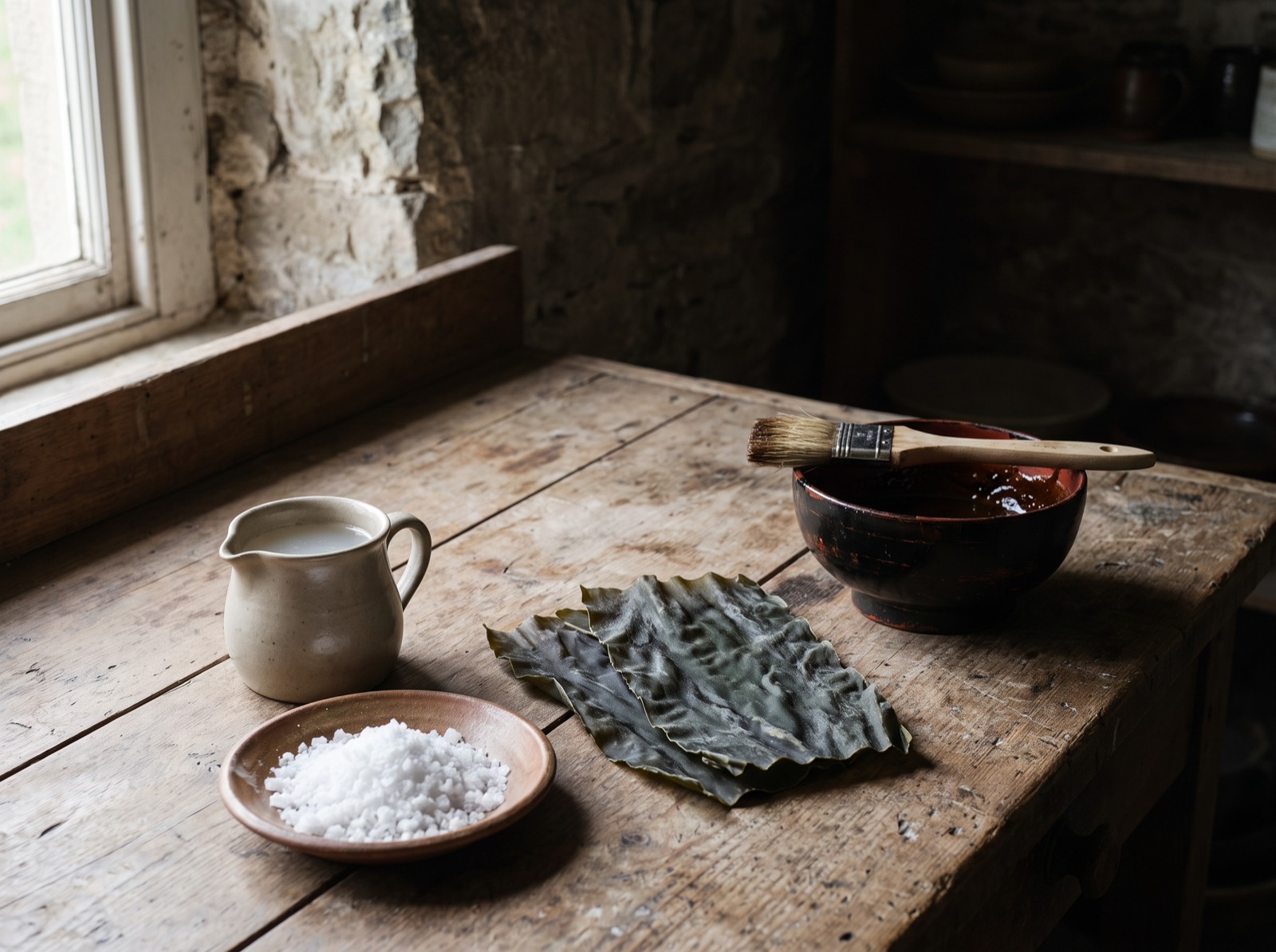
Su-jime (酢〆): salt first, then vinegar. Two steps, each timed, and neither of them fixed.
- Salt. The filleted fish is salted and left. Salt draws out water, firms the flesh and begins to change its protein structure. Too little and the fish stays slack and fishy; too much and it is dry and harsh.
- Rinse. The salt is washed off, often in vinegar or in water, before the second stage.
- Vinegar. Then the vinegar cure, which sets the flavour and firms the surface further. Too short and the cure has not taken; too long and the fish turns chalky white and sour, having lost the translucency that a good piece keeps at the centre.
- Rest. Many shops then let it sit for hours, or overnight, so the cure settles inward and the sharpness recedes.
The difficulty is that none of those times is a recipe. The correct salt and vinegar contact depends on the size of that day's fish, its fat content, the ambient temperature, the point in the season, and the individual chef's intended result. A shop buying kohada is buying a different problem every morning, and the answer must be worked out that morning. One thing the cure is not doing is killing parasites: Japan’s health ministry names vinegar, salt, soy and wasabi as measures that do not work, which is covered in is sushi safe to eat in Japan.
Anyone can buy good tuna. Kohada has to be made.
Two visible details follow. First, the kazari-bōchō (飾り包丁), the decorative knife scoring on the silver skin. This is not merely ornamental, since the cuts also let the piece sit and eat properly. Second, the way a piece is folded or layered on the rice, which varies by shop and by the size of the fish being used.
Why it is the test
Because everything that could disguise a failure has been removed. There is no expensive raw material: the fish costs a fraction of what the tuna costs. There is no last-minute technique to rescue it: the decisive work happened hours or a day earlier. There is nothing on top of it. If the cure is wrong you taste it immediately, and if it is right the piece is one of the best things at the counter — sharp, clean, oily and bracing all at once.
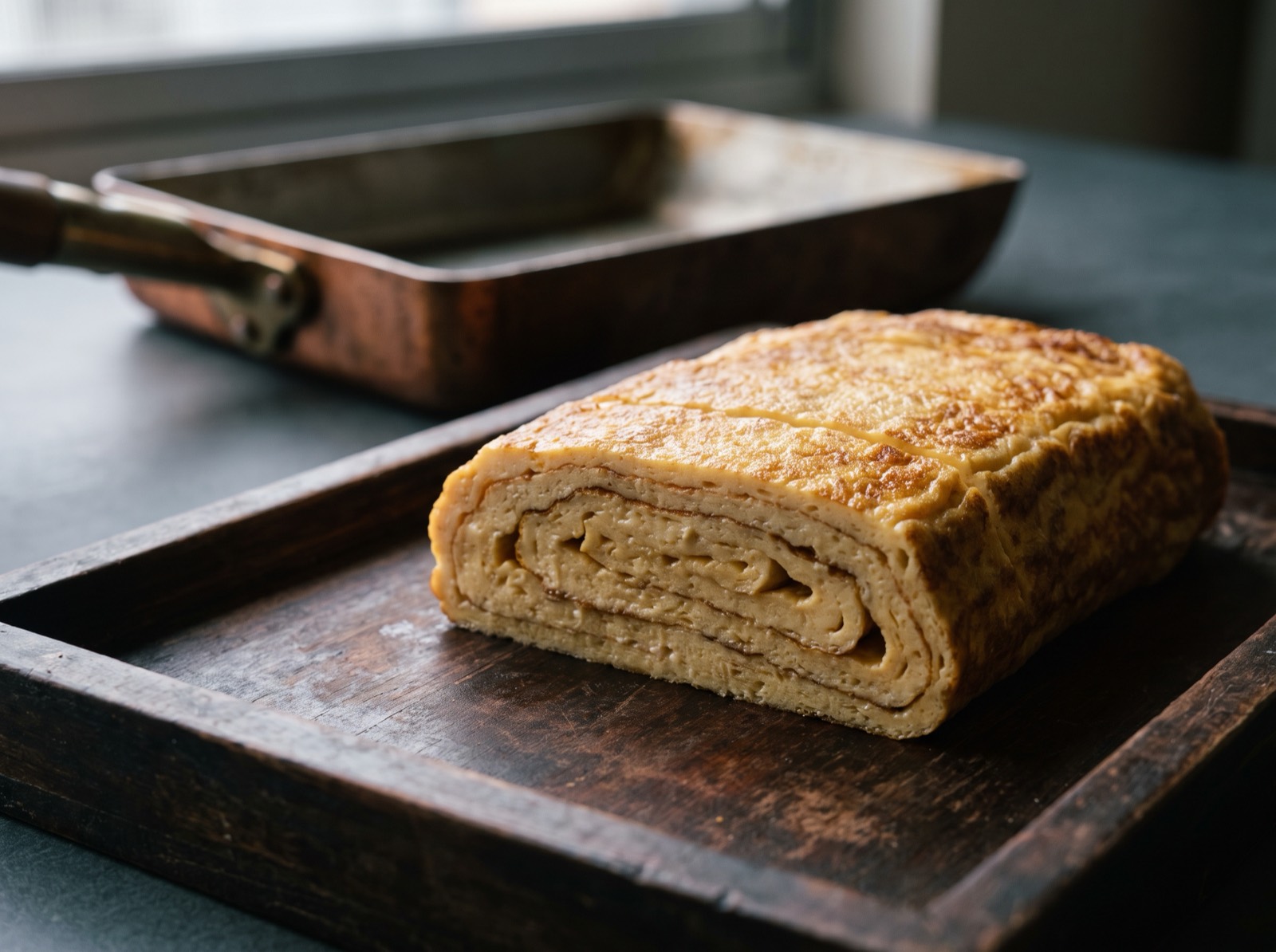
This is why the conventional advice for judging a shop is to order kohada, the egg and, if you can, plain rice. Those are the three things a kitchen makes rather than buys. Our guide to Edomae sushi sets out the four preparation methods this belongs to.
How it differs from what it is confused with
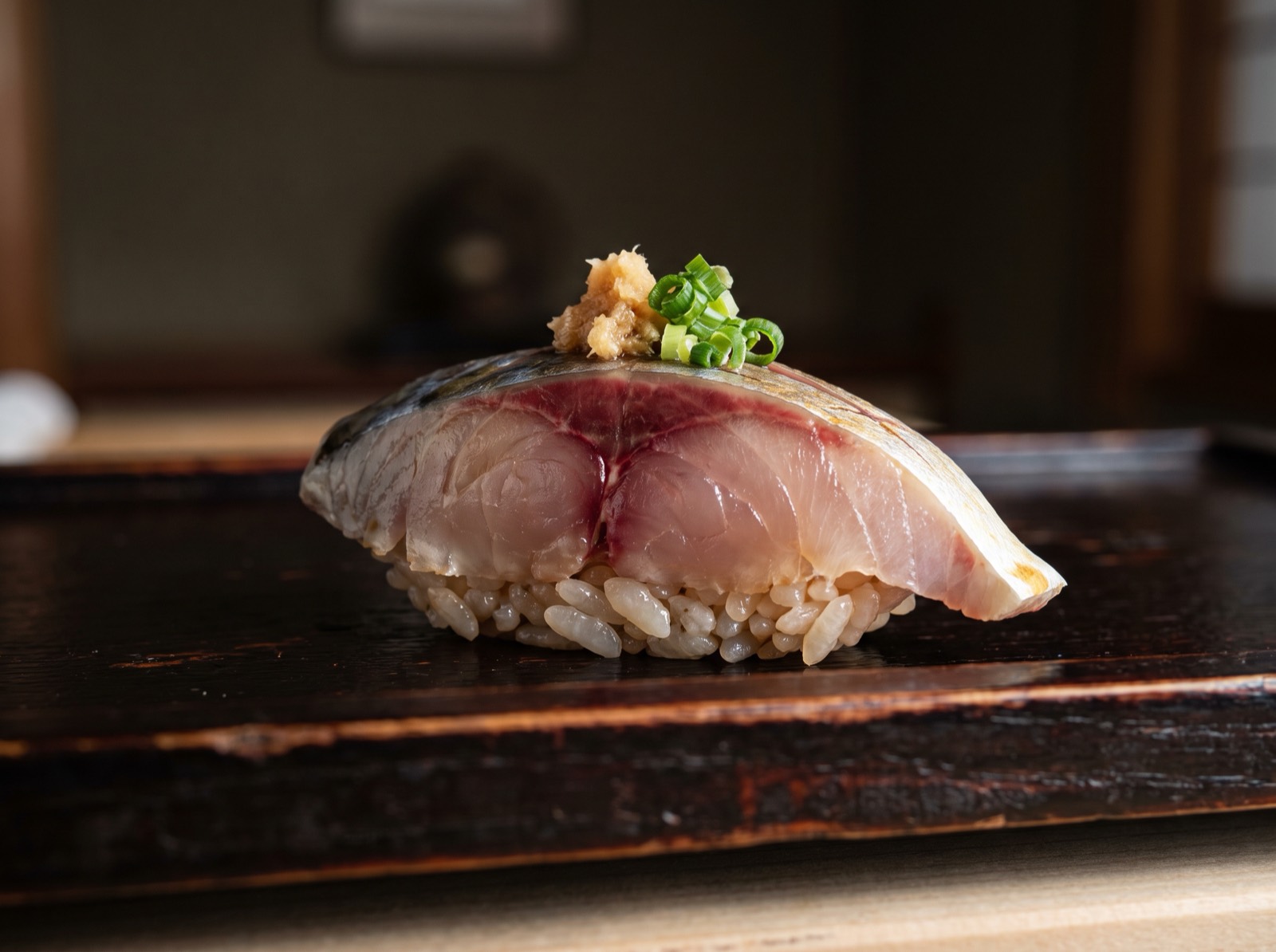
- Kohada and aji are both hikarimono, but aji is horse mackerel, larger, usually served raw with ginger and spring onion rather than cured in vinegar.
- Kohada and saba (mackerel) are the two classic vinegar-cured fish. Saba is far larger and fattier, and shime-saba is its own tradition, including the pressed Osaka form, battera.
- Kohada and sardine (iwashi) are both small silver fish, but iwashi is usually served raw with ginger, not cured.
- Kohada is not a cheap substitute for anything. Its low price is a fact about supply, not about status.
How to say it
koh-HAH-dah will be understood. Strictly it is three beats, ko-ha-da, with no stress. Shinko is shin-ko, two beats.
Edomae and Kansai
Kohada is about as Tokyo as a fish gets. It is a defining Edomae item, associated with the fisheries of Tokyo Bay, and it carries the aesthetic that Edomae is built on: a cheap fish elevated by work rather than an expensive one displayed.
Kansai's equivalent instinct goes to vinegar-cured mackerel in pressed form. The technique is a cousin (salt then vinegar, on an oily fish) applied to a bigger animal and finished under pressure instead of by hand.
Where you will see it, and roughly what it costs
At any counter that takes Edomae seriously, and rarely done well below that. Conveyor-belt kohada exists and is usually an industrially cured product; the difference from a shop that cures its own is one of the largest gaps between price bands anywhere on the menu.
The fish is cheap and the labour is not, which is the whole economics of it. No per-piece figure from us. If you are working out where to eat, our advice is simpler than a price: order it, and let the piece answer. See omakase price tiers. No other piece answers so plainly.
Frequently asked questions
What is kohada?
Gizzard shad, Konosirus punctatus: a small silver-skinned fish cured first in salt and then in vinegar before being served as nigiri. It belongs to the hikarimono category, the 'shining things' served with the skin left on.
Why is kohada used to judge a sushi restaurant?
Because nothing can hide a mistake. The fish is inexpensive, the decisive work happened hours earlier, and nothing is served on top of it. The salt and vinegar timings change with the size, fat and season of each day's fish, so the result is entirely the chef's judgement.
What is shinko?
The youngest stage of the same fish, only a few centimetres long, available for a short window in early summer. Several go into one piece of nigiri, and the first shipments of the season reach prices per kilogram that briefly put it among the most expensive fish in the market.
What does su-jime mean?
Vinegar curing, usually preceded by salting. The salt draws out water and firms the flesh, the vinegar sets the flavour and surface, and a rest afterwards lets the cure settle. It is the defining Edomae treatment for oily silver-skinned fish.
When is kohada in season?
Late summer into autumn for kohada itself, with shinko preceding it in early summer. As the fish grows through the season its fat rises, which changes the cure the chef has to apply.
What should I order to test a sushi restaurant?
Kohada, the egg, and if possible plain rice. Those are the three things a kitchen makes rather than buys. Expensive tuna tells you about the shop's budget; kohada tells you about its work.