Kisu turns up on an English menu as “whiting,” a translation that gives away nothing. In Edomae sushi the fish has been on the counter since the style began, and for most of that history it was never served the way its pale, lean flesh might suggest: raw.
What it is
Kisu (鱚) is Japanese whiting, Sillago japonica, a small, slender fish with a pale body and a shining, silvery-white skin. What is sold and served as kisu is, by default, the more common of two related species, shirogisu (“white kisu”); a second, less frequently seen fish, aogisu (“blue kisu”), runs larger and carries a bluer tint to its skin, and this entry does not weigh one against the other.
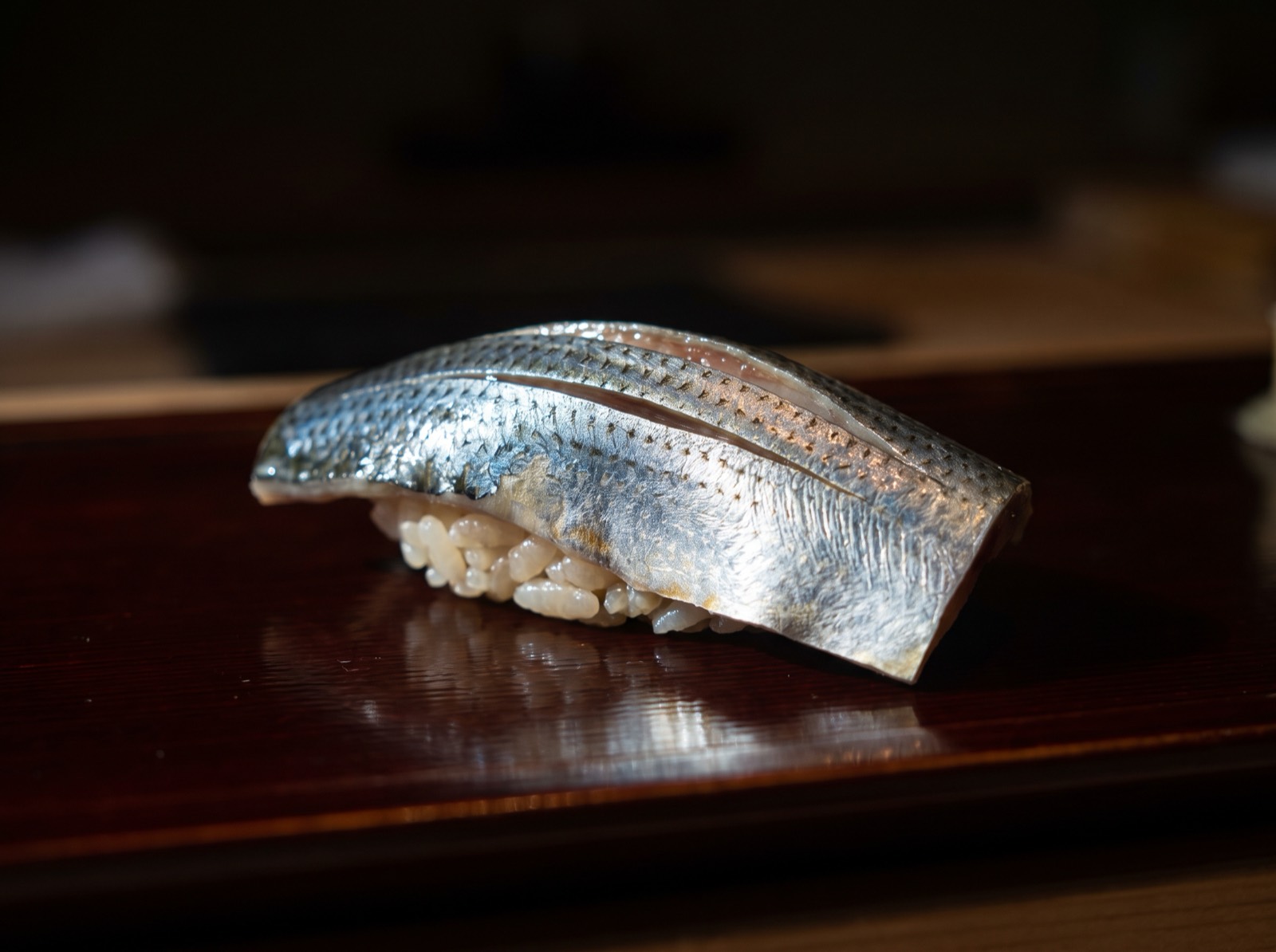
Its flesh reads, on the plate, close to hirame’s: lean, pale and mild rather than rich. But the trade classification that has followed kisu through Edomae history is not the white-fish family hirame belongs to. It is hikarimono, the shining-skinned fish, sorted there for the same reason kohada is: a bright, lustrous cast to the skin, and a long history of being cured rather than served untouched.
That placement is not a recent habit. Sources describe kisu as one of the toppings on Edomae counters from the style’s earliest years, a small fish that has stayed in the repertoire even as grander, costlier toppings have come and gone around it.
When it is used
Kisu is at its best from spring into early summer, the window most sources point to as its season on Edomae counters. As the water cools going into autumn, part of the catch is described as moving into deeper water, where the temperature holds steadier — a late-season fish sometimes called ochi-gisu, roughly “the whiting that has gone down,” though it is the same species as the summer fish.
What the chef actually does
Once the scales are removed with care rather than scraped hard — the skin is going to stay on and be eaten as part of the piece — kisu is small enough that half of what one side of the fish yields is often all one piece of nigiri needs.
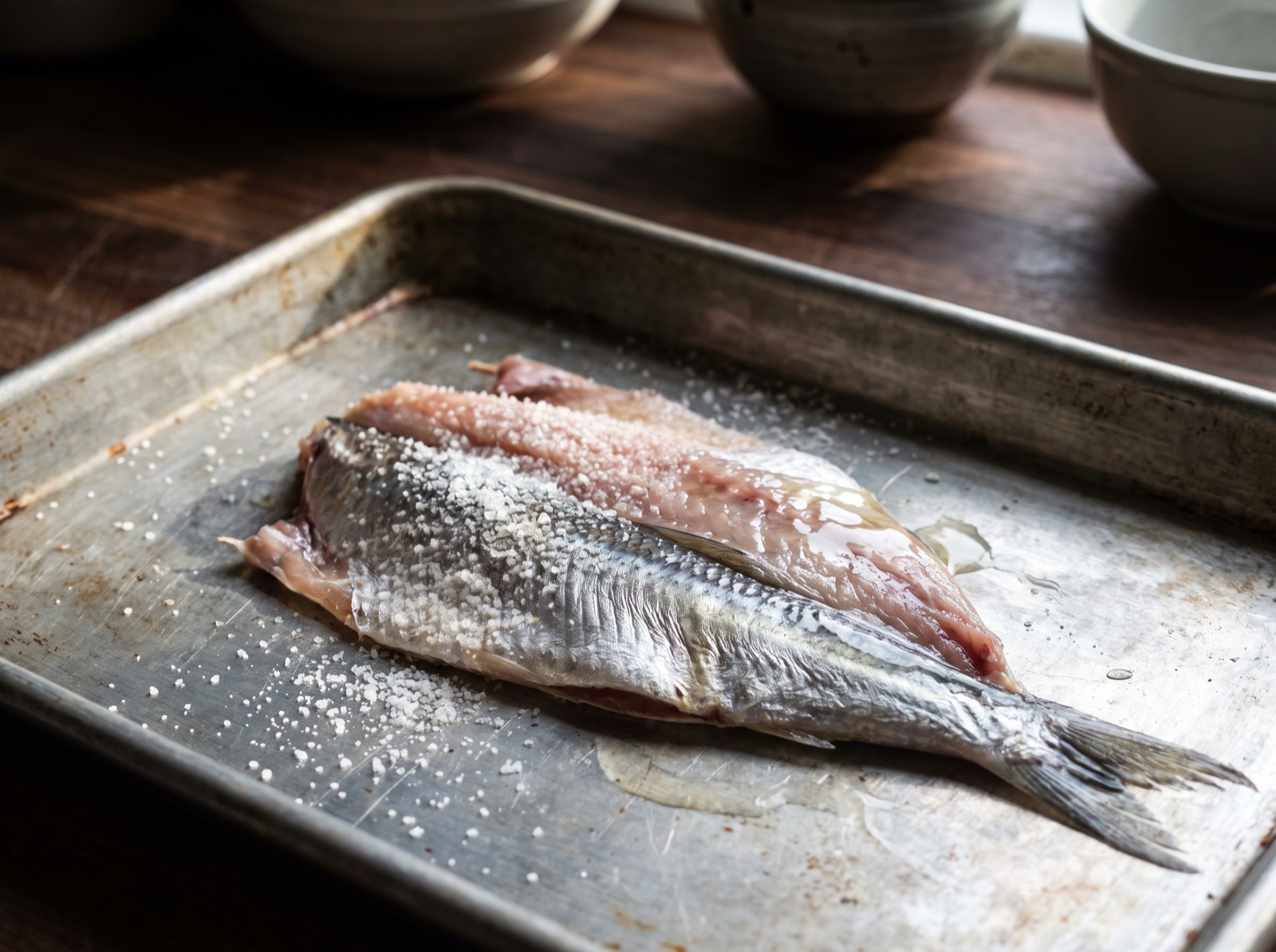
The older, and for centuries the default, treatment is su-jime, vinegar-curing — the same family of technique behind kohada, though what it is doing to kisu is not quite the same job.
- Salt. Applied to the flesh side only — the skin side is left bare — and given time to draw out surface moisture.
- Rinse. The salt is washed away before the next stage.
- Skin, on its own. Briefly scalded to soften it, a step aimed at the skin specifically rather than at the whole fillet.
- Vinegar. The fish is steeped, then rested again before it is used.
That third step is the one that marks kisu out. Kohada is cured to manage an oily, fast-spoiling flesh; kisu is cured to manage a skin that stays on the piece and has to be softened before it is worth eating raw-adjacent. The two techniques share a name and not much else.
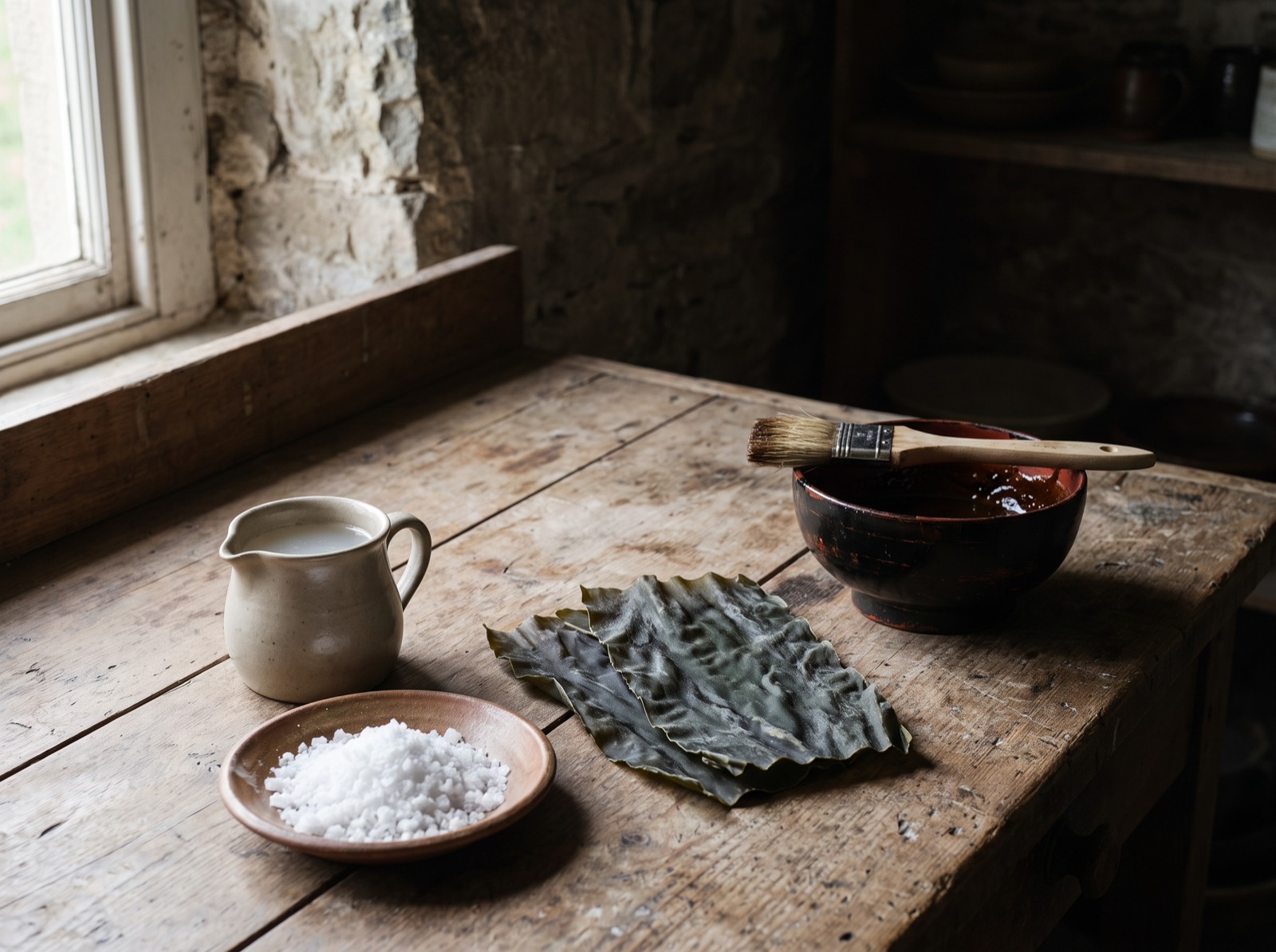
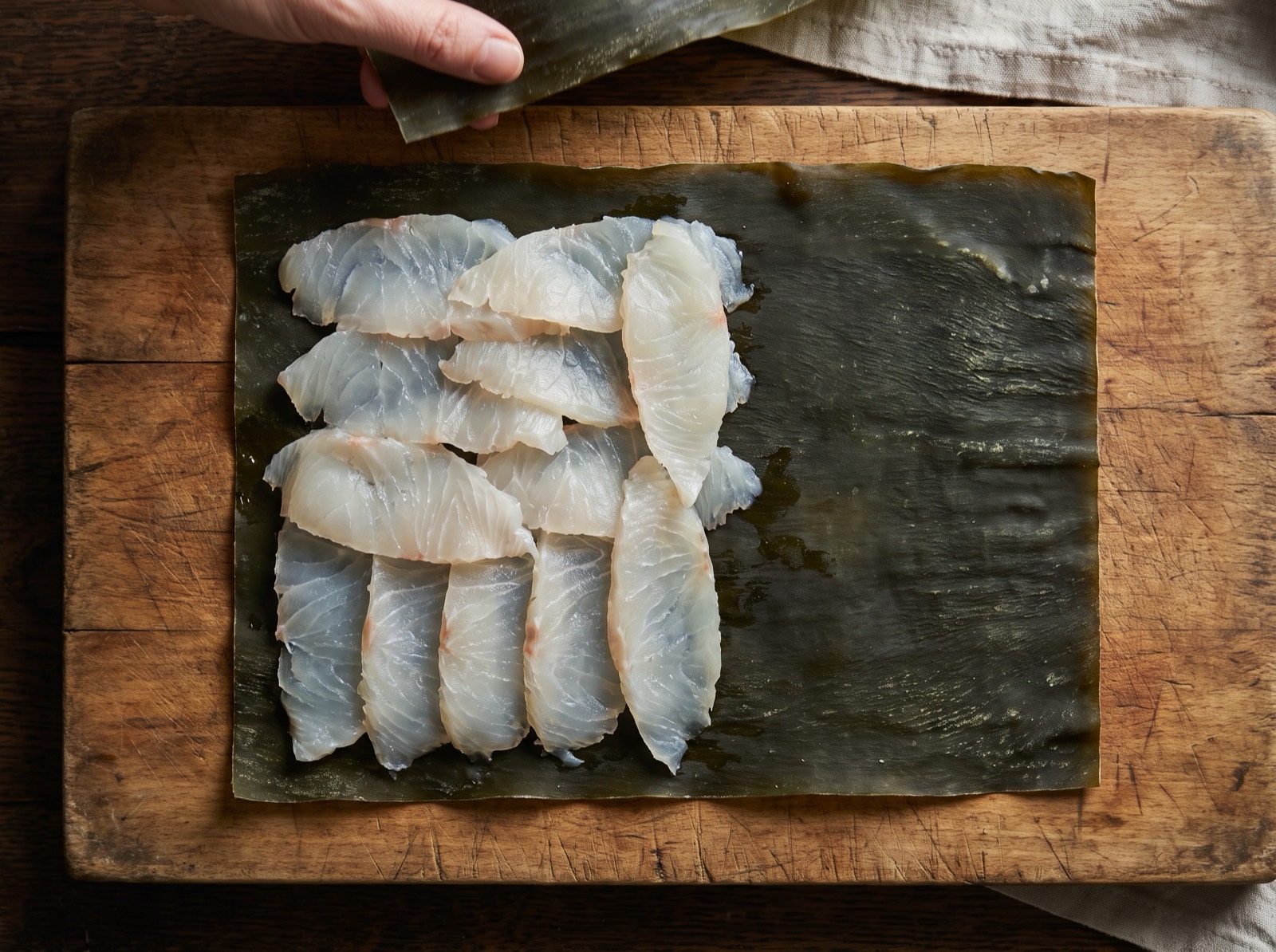
A newer alternative, increasingly common today, swaps vinegar for kelp: kobujime. Where kobujime is generally described elsewhere as an overnight cure with kelp against both sides of the fillet, the version used on kisu tends to be lighter — a single sheet against one side of the fish only, and a shorter rest than the technique’s usual overnight standard. The point, stated plainly in the sources, is to keep as much of the fish’s raw character as the technique allows, rather than curing it as hard as kobujime is applied elsewhere on the menu.
Both paths are still, in the strict sense, a cure. What has changed recently, at the more ambitious end of the counter, is a fish served with neither: kisu appearing fully raw, un-worked, alongside toppings that were never cured to begin with. That is described as a recent development rather than the historical norm — centuries of cured kisu, and a raw version now appearing at some counters, read together as a single arc rather than a contradiction.
Why it is done
Kisu’s cure is not the moisture-and-acid economics that keeps a fattier, faster-spoiling fish safe to hold. Kisu is lean, and its flesh does not carry the same urgency. What the treatment is answering is narrower: a skin that stays on the piece and needs to be made pleasant to eat, and, several sources note, a faint mineral note in the fish that vinegar and thorough rinsing both help settle.
There is also an economics of scarcity behind how carefully kisu tends to be handled. More than one source describes it as a fish that has never come from Tokyo Bay in real volume, even as demand for it — on sushi counters and, separately, in tempura kitchens — has stayed high enough that it trades at a premium against comparable small fish. A limited, valued catch is not treated carelessly; the care put into the cure and the price it commands describe the same scarcity from two directions.
Kohada is cured to manage an oily, fast-spoiling flesh; kisu is cured to manage a skin that stays on the piece and has to be softened before it is worth eating raw-adjacent.
How it differs from what it is confused with
- Kisu and hirame. Both read as lean, pale, mild fish, and both can carry a light cure. But hirame’s kobujime and ageing are refinements on a fish already served raw by default; historically, kisu’s cure was not optional at all.
- Kisu and kohada. Both are hikarimono, and both are cured, but for different reasons. Kohada’s cure is managing an oily flesh that spoils quickly; kisu’s is managing a skin that is eaten along with the flesh, on a fish that is lean rather than fatty.
- Kisu and shirauo. Small, pale and easy to mistake for one another from a menu description alone, the two fish are not filed together in the trade literature: kisu sits under the hikarimono heading described above, while the reference index we drew that classification from places shirauo under a separate heading entirely, without covering how it is prepared.
How to say it
ki-su, two even beats, no stress on either. The character itself, 鱚, combines the radical for fish with the character for joy, 喜 — said to come from the idea of rejoicing at the taste of the fish, though this is best treated as a popular story passed down with the name rather than a documented origin of the character.
Where you will see it
On a Japanese menu it is as likely to appear as two characters, 鱚, or in katakana, キス, as under any English name; where an English gloss does appear, “whiting” is the usual choice, and it undersells a fish that has held a specific, worked-on place in Edomae sushi since the style’s earliest years. You are as likely to meet kisu on a tempura menu as a sushi one — it is a common item in both kitchens, and that dual demand is part of why it has stayed a comparatively expensive, hard-to-secure fish on the sushi side.
What you are served will most often still be cured, one way or the other, in the tradition this entry has been describing. A piece of kisu served completely raw is worth noticing rather than assuming: on the evidence gathered here, it is the newer of the fish’s two sushi lives, not the older one.
Frequently asked questions
What is kisu in sushi?
Japanese whiting, Sillago japonica, a small, lean fish sold mainly as shirogisu. Despite its pale, mild flesh, it is classified in the trade as hikarimono, the shining-skinned family, and has been cured rather than served raw for most of its history on Edomae counters.
Is kisu served raw or cooked?
Traditionally neither: it was cured, in vinegar or, more recently, lightly in kelp. Sources describe kisu appearing fully raw at some counters only recently, alongside its much longer history as a cured topping.
Why is kisu classified as hikarimono?
For the same two reasons any fish is: a bright, shining cast to the skin, and a history of being cured before it reaches the rice. Kisu satisfies both, which is also why it is grouped with kohada rather than with lean white fish like hirame.
What is the difference between kisu's su-jime and kobujime?
Su-jime, salt then vinegar, is the older, historically default treatment, and separately softens kisu's skin with a brief scald. Kobujime, curing with kelp, is a newer and increasingly common alternative, applied to kisu more lightly and briefly than kobujime elsewhere, specifically to preserve as much raw character as the technique allows.
How do you pronounce kisu?
Ki-su, two even beats. The character combines the radical for fish with the character for joy; a popular story ties the name to the pleasure of eating the fish, though this is folklore rather than a documented etymology.
What is the difference between kisu and hirame?
Both are lean, pale and mild-tasting, which is where the confusion starts. But hirame is served raw by default, with kobujime or ageing as optional refinements; kisu's cure, historically, was not optional, because it is filed as hikarimono rather than as a plain white fish.