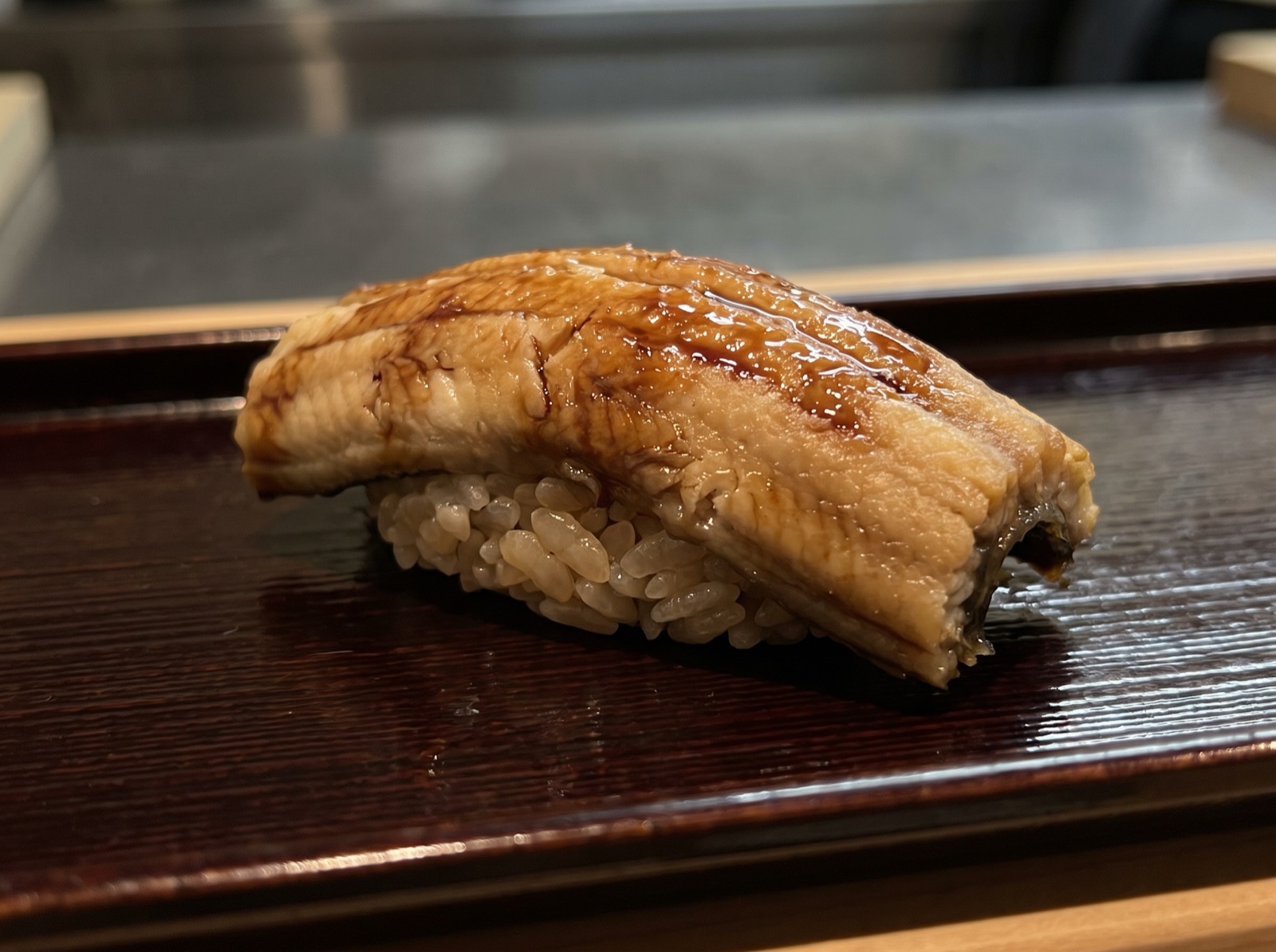
Anago (アナゴ) is conger eel: a saltwater fish, Conger myriaster, the white-spotted conger. At an Edomae counter it is simmered rather than grilled, and it arrives so soft that it has to be handled with care between the pan and the rice. It is a different animal from unagi, prepared by a different method, and the two are confused constantly in English.
What it is
A slender, spotted, marine eel that lives on sandy bottoms. The name is generally understood to relate to the burrows it shelters in, ana meaning hole. It is lean compared to freshwater eel, with a delicate, faintly sweet flesh and very fine bones.
Tokyo Bay anago has the historical association. It is one of the fish that gave Edomae its name: caught in the bay in front of the city, brought in fresh, and treated with a method built around what the bay produced. That link is a matter of tradition and reputation rather than of current supply, which is national and includes substantial imports.
When it is best
Summer, and the association is strong enough to have its own expression: tsuyu-anago (梅雨アナゴ), rainy-season anago, referring to fish taken in early summer when the flesh is at its best. It is served all year and is good in autumn as well; summer is the peak the trade points to.
What the chef does to it
This is the whole entry. Anago is not eaten raw; it is simmered, and the simmering is the piece.
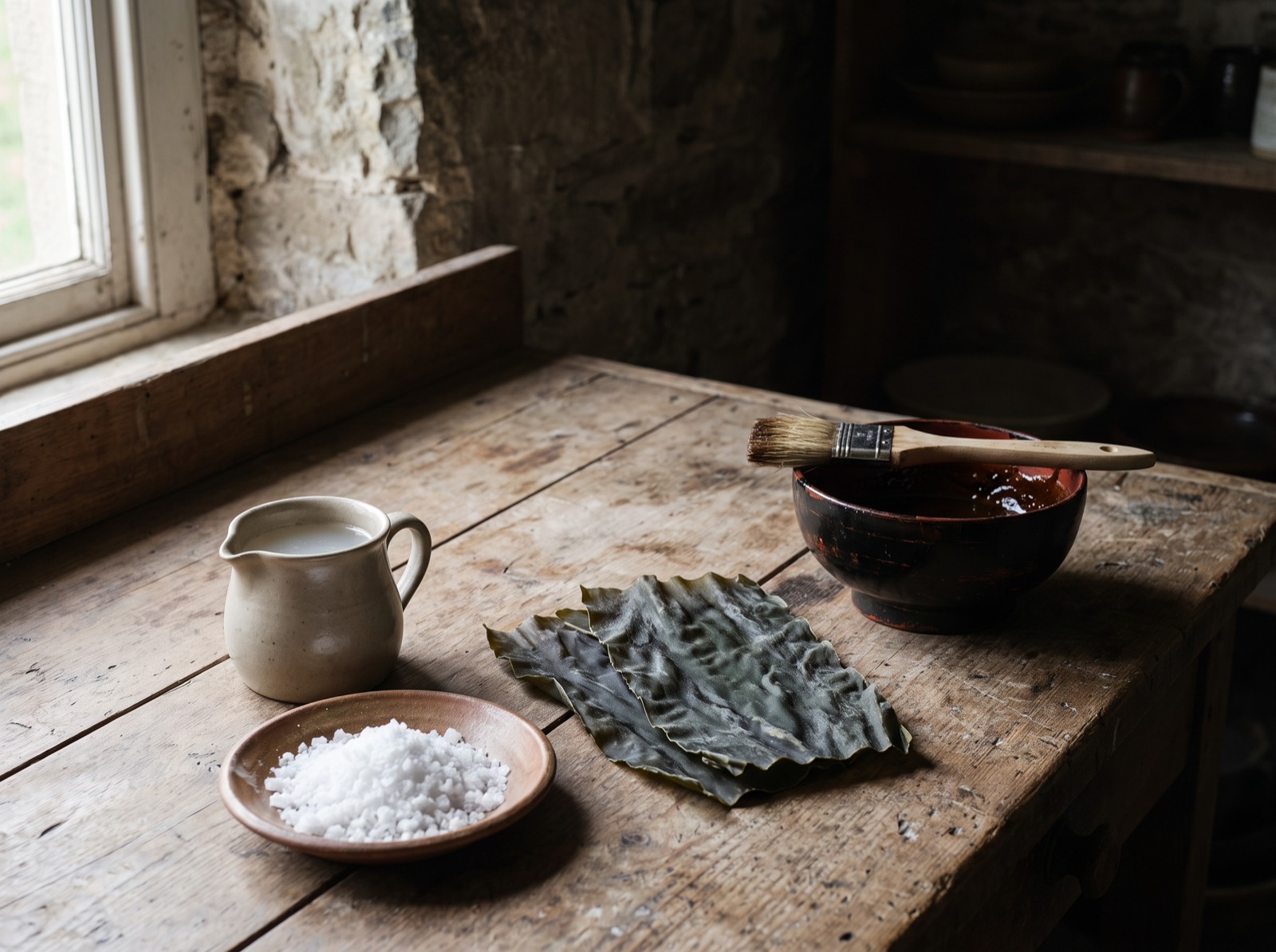
- Cleaning. The eel is opened, boned and the surface slime removed, the last of those with hot water or salt, and it is done thoroughly, because any left behind will carry through the cooking.
- Simmering (煮る). Gently, in a liquid of soy, mirin, sake and sugar, at a heat low enough that the flesh does not break up. The target is a texture that gives way completely: a good piece should collapse against the tongue with no resistance and no chew at all.
- Tsume (ツメ). The cooking liquid is then reduced to a dark, glossy, faintly sticky glaze and brushed on at service. The name is a contraction of nitsume (煮詰め), “boiled down”. It is made from the broth the eel itself was cooked in, and shops build it over time, topping it up rather than starting fresh, which means a shop’s tsume is partly a record of every anago it has cooked.
- Or salt. Many counters offer the alternative: the same simmered eel with a pinch of salt and no glaze, sometimes with a squeeze of citrus. It is the version that shows the fish rather than the sauce, and if a shop offers you the choice, taking one of each is entirely normal.
Simmering is one of the four canonical Edomae preparations; the others are salt-and-vinegar curing, soy marinating, and the seasoning of the rice itself. See what Edomae actually means.
A shop’s tsume is partly a record of every anago it has ever cooked.
Why it comes near the end
Traditionally anago sits late in a course, before the egg. The logic is straightforward: it is cooked, warm, sweet and soft, and it does not sit well between raw pieces. Placing it near the end lets the course move from clean and lean, through the fattier raw fish, into the cooked and sweet, and out at the egg.
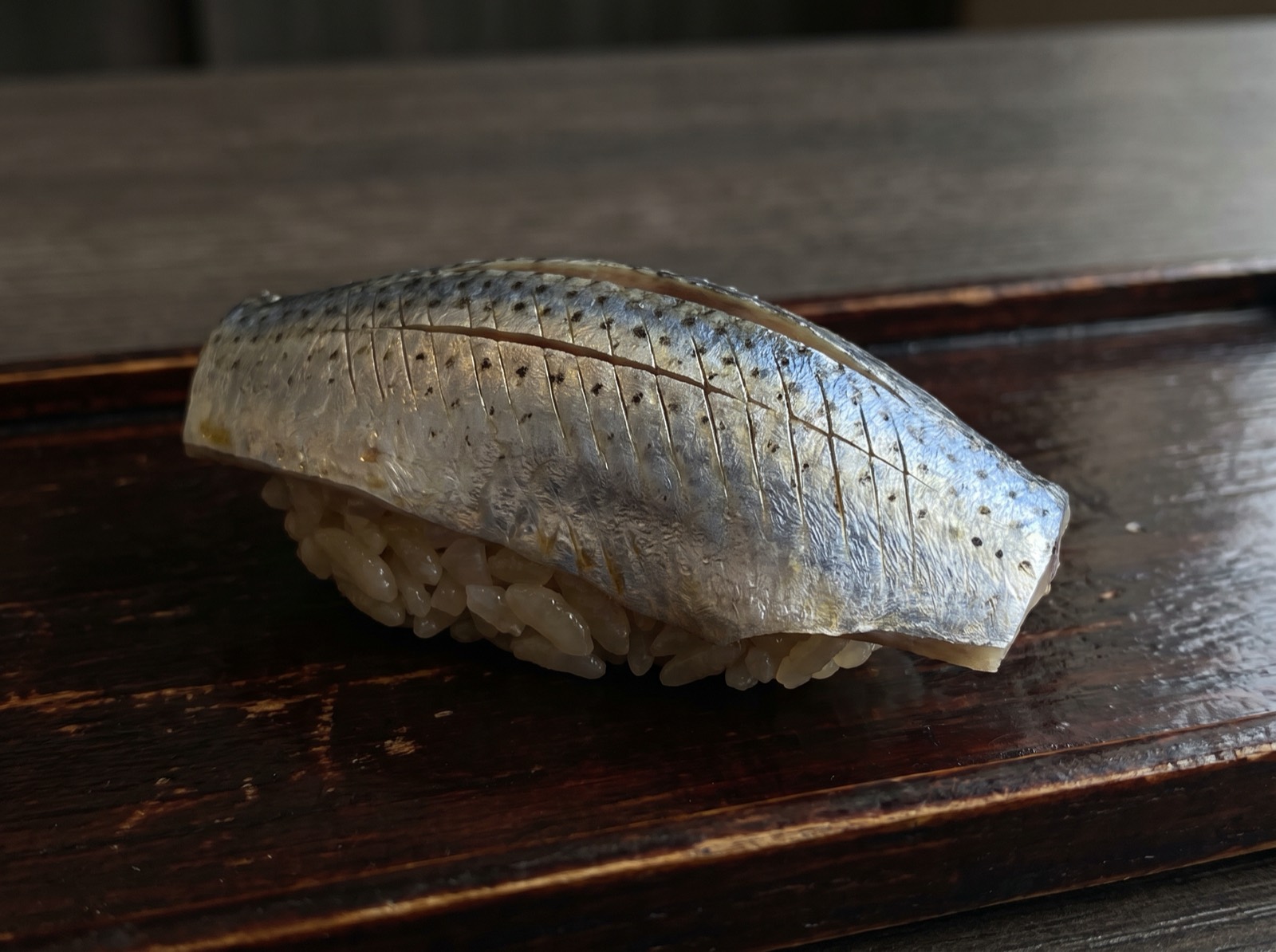
It is also, like kohada and the egg, a made item rather than a bought one. A shop that simmers its own anago and reduces its own tsume is doing hours of work you never see; a shop that buys it in pre-cooked is not, and the difference in texture is not subtle once you have had both.
How it differs from what it is confused with
- Anago is saltwater; unagi is freshwater. Different species, different habitats, different flavour.
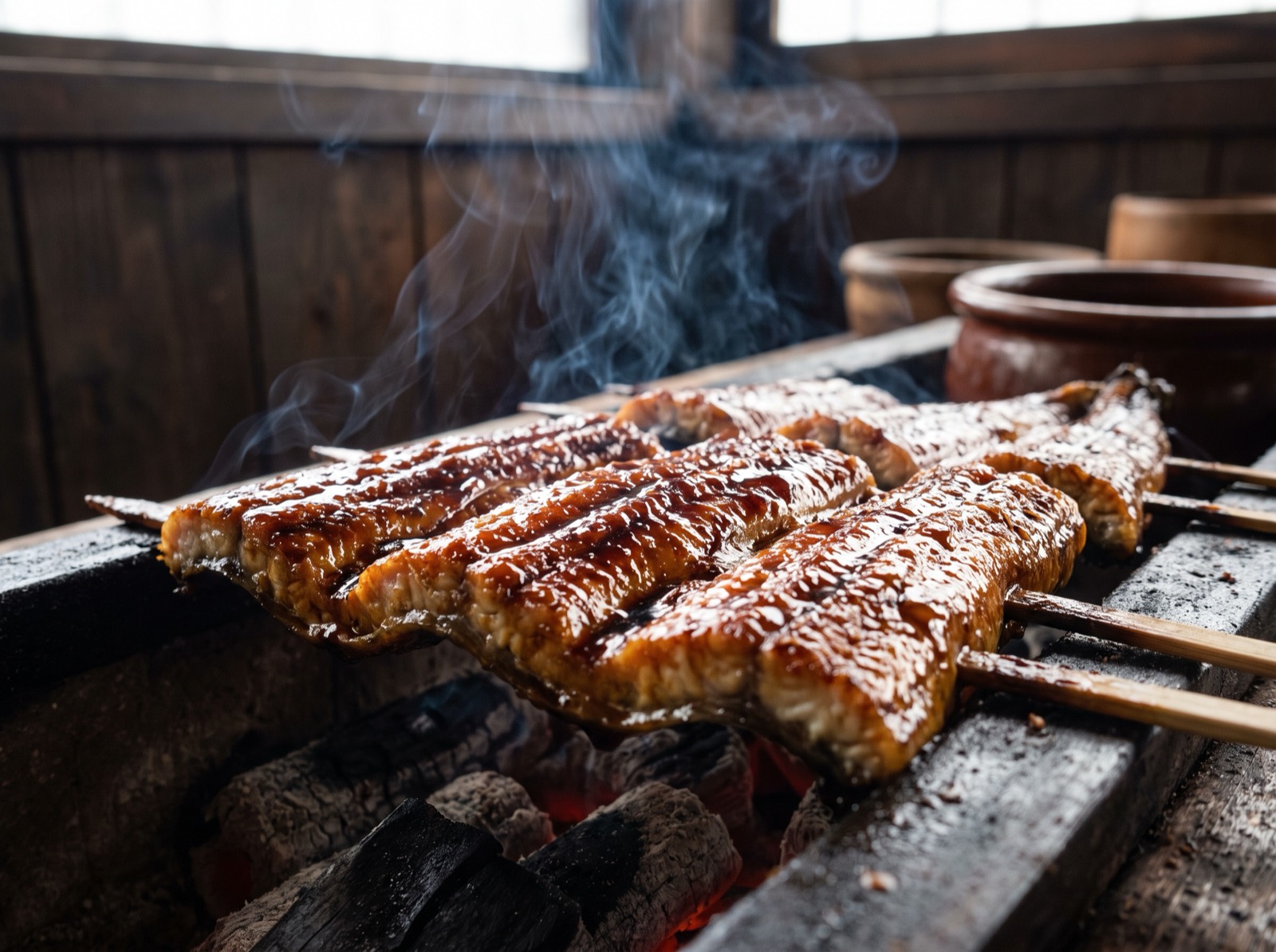
- Anago is simmered; unagi is grilled. Unagi is skewered and grilled over charcoal, often steamed in between in the Tokyo method, and lacquered with a thicker, sweeter sauce.
- Anago is lean; unagi is fatty. This is the difference you notice first. Anago is delicate and light; unagi is rich and assertive.
- Anago is a normal part of a sushi course; unagi is more often its own meal. Unagi has an entire restaurant tradition of its own, served over rice rather than as nigiri.
- Neither is “eel” in the undifferentiated sense that most English menus use. If a menu says only ‘eel’, it usually means unagi.
How to say it
ah-NAH-goh is understood. Three beats, a-na-go, none of them stressed. Tsume is two, and the initial tsu is a single sound rather than “t” followed by “su”.
Edomae and Kansai
Anago is an Edomae fish by history and the simmered treatment is Tokyo's. It also has a strong regional identity in the Seto Inland Sea. Hiroshima's anago-meshi, simmered or grilled eel over rice, is a well-known regional dish and a different preparation entirely.
The broader Kansai–Kanto split on eel is about unagi rather than anago: the two regions cut and grill freshwater eel differently, and that difference is covered in our unagi entry.
Where you will see it, and roughly what it costs
At almost every counter, and on every conveyor belt. It is not an expensive fish to buy, and as with kohada the cost that matters is labour: careful simmering, a tsume maintained over months, and an item that must be made in-house to be any good.
No per-piece figure from us. The useful signal is textural rather than financial: if the anago holds together under the chopsticks, it was more likely bought in than simmered here. See omakase price tiers for what a whole meal costs. What you are paying for is the simmering.
Frequently asked questions
What is anago?
Saltwater conger eel, Conger myriaster, simmered gently in soy, mirin, sake and sugar and served as nigiri, usually brushed with tsume, a reduction of the liquid it was cooked in. It is not the same as unagi.
What is the difference between anago and unagi?
Anago is a saltwater conger eel, lean and delicate, and it is simmered. Unagi is a freshwater eel, fatty and rich, and it is grilled over charcoal, often steamed in between. Different species, different method, different flavour.
What is tsume?
The dark, glossy glaze brushed onto anago. The name contracts nitsume, 'boiled down': it is the eel's own simmering liquid reduced. Shops maintain it over time by topping it up rather than starting fresh.
When is anago in season?
Early summer is the peak the trade points to, with its own expression for it: tsuyu-anago, rainy-season anago. It is served all year and is good in autumn too.
Why is anago served at the end of a sushi course?
Because it is cooked, warm, sweet and soft, and does not sit well between raw pieces. Placing it late lets the course run from lean and clean through fattier raw fish into the cooked and sweet, finishing at the egg.
How can you tell good anago?
Texture. A well-simmered piece collapses against the tongue with no chew at all. If it holds together under chopsticks, it was more likely bought in pre-cooked than simmered in the shop.